🌍 Column: COP31 in Antalya failed over money, not over the words 'fossil fuels', argues Solomzi Tshona
In brief
- 🌍 In the Mail & Guardian, economist Solomzi Tshona argues COP31 failed because rich countries do not deliver promised climate finance.
- ⚖️ He cites Article 9.1 of the Paris Agreement: developed countries "shall" provide finance.
- 💶 Africa, he writes, pays first and most, and support comes mostly as loans.
- 📅 For COP32 in Addis Ababa in 2027 he sets out four demands and one duty for Africa itself.
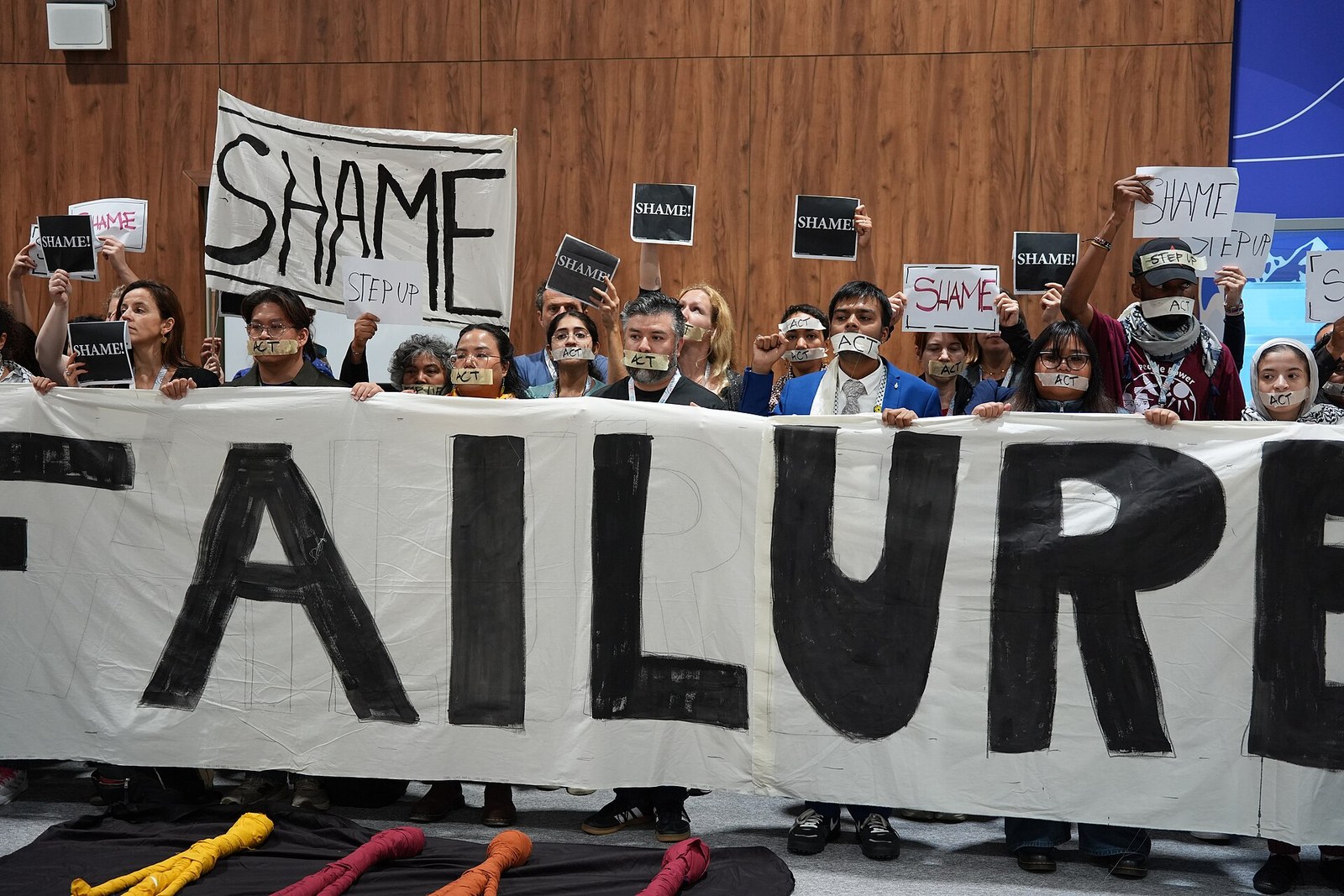
🌍 The UN climate conference COP31 in Antalya ended on 22 November after 44 hours of overtime without an overarching decision. Most reports put that down to the fight over writing the words "fossil fuels". South African development economist Solomzi Tshona, in a column for the Mail & Guardian, calls that true but incomplete: what broke, he argues, is the basic bargain of climate policy. Developing countries commit to cutting emissions and richer countries help pay for the transition. One side keeps being asked for more ambition while the other keeps falling short. 💶 Before the fossil fuel dispute ended the summit, Tshona writes, the draft Antalya Pact had already failed developing countries on money: Africa's demand for at least 120 billion dollars a year in adaptation finance by 2035 was removed, leaving a vague aim to triple it with no baseline. He points to Article 9.1 of the Paris Agreement, under which developed countries "shall" provide financial resources, and to a wide gap between the targets agreed in Baku and what actually flows. ⚖️ Tshona says plainly that he is not arguing against tough language on coal, oil and gas. His point is cause and effect: without capital there is no transition in poorer countries. For COP32 in Addis Ababa in 2027 he wants a number on the tripling, measurable delivery, grants instead of loans and cheaper capital, and he asks Africa to bring bankable projects of its own. It is one author's argument, not a finding.
🧾 Who is writing. Solomzi Tshona is a PhD candidate in development economics at Renmin University of China, a researcher with the EITIE group at Constructor University and deputy president of the Friedrich-Ebert-Stiftung Network in South Africa. He writes in a personal capacity and says he followed the summit closely from its opening on 9 November.
📉 What was on the table at the end, as he describes it. COP31 was the first conference since The Hague in 2000 to end without a high-level outcome. The draft pact named neither coal, oil nor gas and set no timeline; the European Union and Panama refused it, Saudi Arabia and other producers had resisted anything stronger, and Russia opposed limits on fossil fuel use. Under the UN consensus rule, objections from either side were enough. The draft held no new quantified money for the Loss and Damage Fund, and the Just Transition Mechanism, which matters to coal regions such as Mpumalanga, made little progress. His line: the fossil fuel fight ended the summit, but the finance gap had already emptied it.
💶 The figures he relies on. At Baku in 2024 countries agreed on 300 billion dollars a year for developing countries by 2035, within a wider aim of 1.3 trillion from all sources. The latest figure for finance mobilised by developed countries is about 136.7 billion; 1.3 trillion would be roughly seven times today's flows, and experts estimate half would have to come from private investors at around 16 times current levels. Development aid, which carries most public climate finance, is projected to fall for a third year in a row. For Africa he cites climate costs of 2 to 5 percent of GDP a year. UNEP estimates developing countries need about 305 billion dollars a year for adaptation, around 420 billion by 2035 with inflation; international public adaptation finance in 2024 was only about 26 to 32 billion. Even a tripling, UN Secretary-General António Guterres told delegates, would cover less than 30 percent of the need.
🏭 South Africa as the lesson. In the original 8.5 billion dollar package of the Just Energy Transition Partnership, launched at COP26 in Glasgow, grants made up less than 4 percent and loans about 80 percent, according to Tshona. The United States withdrew in February 2025. A country that gets about four fifths of its electricity from coal, with high debt and high unemployment, is being asked to borrow its way out of a crisis it did not cause. Across the continent he sees the same pattern: every disaster adds debt at higher interest rates than rich countries pay. Ghana's environment minister Zanetor Agyeman-Rawlings told the closing plenary on behalf of the African Group that promises alone cannot sustain Africa's ambition.
🤔 Four objections, four answers. Tshona takes on the strongest counterarguments himself. Fossil fuels are the real problem? The two cannot be separated: a country asked to phase out without capital stays with coal and gas because they are cheaper to finance today. Europe was right to defend the science, he writes, but wrong to refuse a baseline for tripling adaptation finance. Aid budgets are shrinking? Then development bank reform, climate-linked debt relief, fairer credit ratings and levies on polluters must do more, though adaptation such as sea walls or drought-resistant farming still needs grants because it rarely pays investors back. African governments cannot absorb the money? Here he concedes a real problem: of more than 14 billion dollars pledged to South Africa's transition only 41 percent has been allocated, mainly for lack of implementation-ready projects. The answer, he says, is project preparation and stronger institutions, not withholding finance. Leave it to coalitions of the willing? They help, and Türkiye's push to raise electricity's share of energy use to 35 percent by 2035 drew more than 70 supporters, but coalitions bind nobody, and only the UN table gives the most vulnerable countries an equal voice.
📅 What he wants from Addis Ababa. On the opening day, he notes, developing countries won a standalone agenda item for the Climate Finance Work Programme over objections from the EU. For COP32 Tshona asks for a baseline and a dollar target for tripling adaptation finance, mainly as grants and with milestones before 2035; yearly reporting of what is delivered rather than pledged; grants for adaptation and loss and damage and long-term concessional finance for energy; and a lower cost of capital. From Africa he asks bankable national investment plans, transparent use of funds and a united negotiating position. A COP in Africa will not automatically deliver for Africa, he warns, recalling that the Loss and Damage Fund created at Sharm el-Sheikh in 2022 still struggles to raise money.