🌍 Spain heads to the polls: what Valencia shows about PP and Vox plans for climate policy
In brief
- 🗳️ Sunday's election could bring a government of the conservative PP and the far-right Vox to power in Spain.
- 🌍 Feijóo wants to stretch climate targets; Vox wants to scrap low-emission zones and the combustion-engine phase-out.
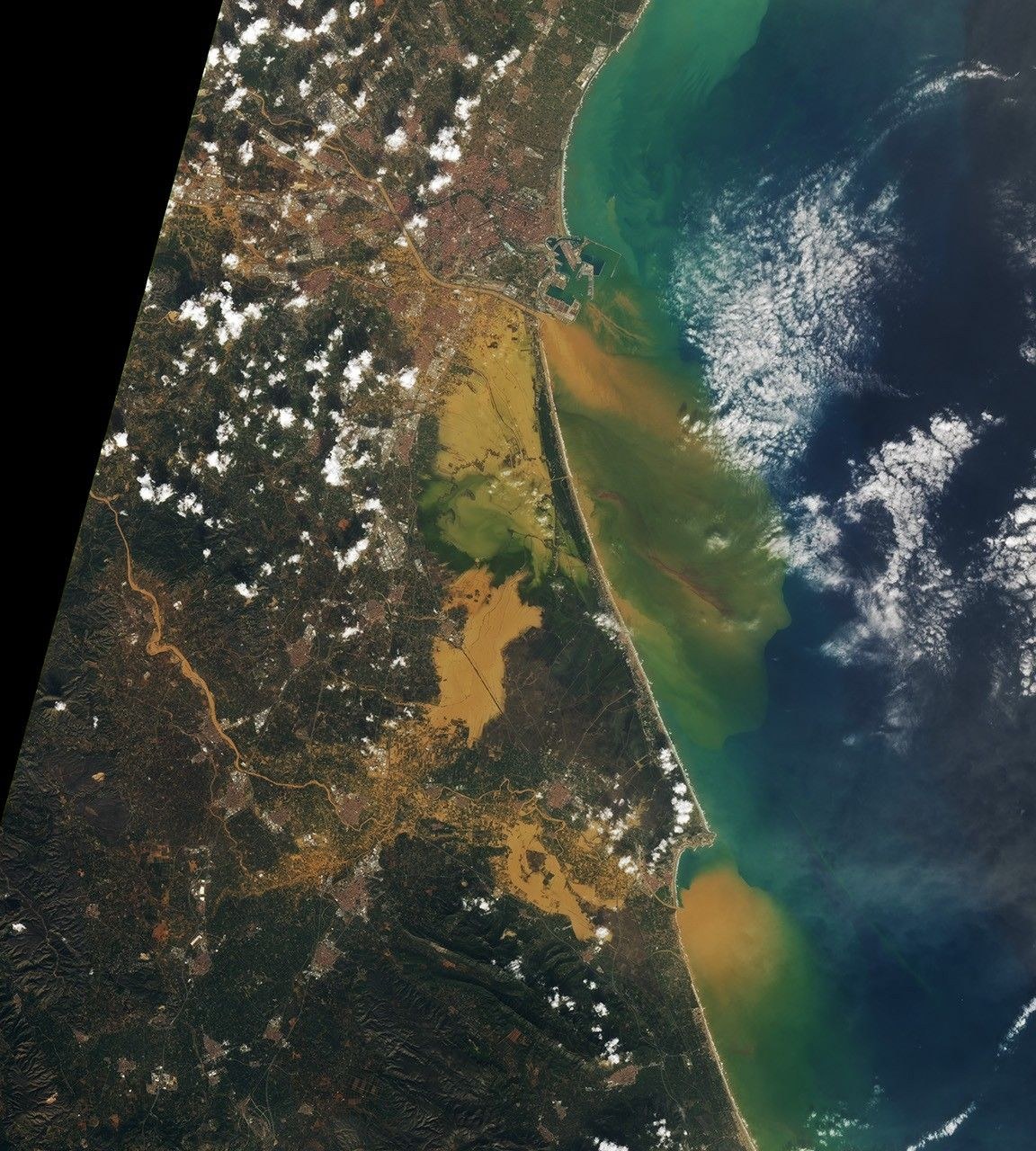
- 🌊 Both have run Valencia since 2023: climate law weakened, coastal building rules eased, 229 dead in the 2024 floods.
- 🏗️ Even after the floods, protections were weakened further, critics say.
🗳️ Spain elects a new parliament on Sunday, and polls give the conservative Alberto Núñez Feijóo a good chance of governing with the far-right Vox party. Feijóo wants to scrap what he calls "unrealistic" timelines for climate goals and pursue decarbonisation at a slower pace. Vox wants to go further: push back Brussels' "climate impositions", remove low-emission zones and reverse restrictions on combustion-engine cars and CO₂. 🌊 What that could look like can be seen in the Valencia region, according to an analysis by Politico Europe, where the PP has governed with Vox's backing since 2023. There, plans for an emergency unit were scrapped, parts of the climate law dismantled and building rules on the coast eased. In October 2024 floods killed 229 people. Critics say the government has learned nothing since; the official in charge of reconstruction disagrees.
📜 **What happened in Valencia.** After eight years of left-wing rule, the PP took power with Vox in Spain's fourth most populous region in 2023. Under regional president Carlos Mazón, the new government scrapped plans for a regional emergency response unit, dismantled key parts of Valencia's climate law and emissions taxes and disbanded a newly created agency monitoring climate change. It also eased rules on building along flood-prone coastlines and on protected farmland.
🌧️ **The floods and after.** On 29 October 2024 the regional government downplayed the threat of a powerful storm; torrential rain inundated whole towns. Mazón stayed at an hours-long private lunch as the waters rose and for months refused responsibility; the PP blamed the national government. Courts, however, cleared the national authorities, since only the region was authorised to manage the crisis. A year later Mazón stepped down. His successor Juanfran Pérez Llorca called the European People's Party's Green Deal a "threat" to Valencia's farmers. Weeks after the floods the government allowed building closer to the shore; more recently a plan surfaced for more than 1,200 homes on farmland that absorbs water during torrential rain.
🗣️ **The voices.** Raül Camacho Segarra of a grassroots movement for responsible reconstruction says the policies before the floods made the region more vulnerable and have been doubled down on since. Flood expert Ana Camarasa of the University of Valencia warns that governments that deny climate change do not feel obliged to act on it. Reconstruction commissioner Raúl Mérida counters that "our actions are based on science", citing floodable parks and river restoration. He says 98 percent of damaged infrastructure has been rebuilt, but concedes that emergency contracts often only allowed restoring what was there, including roads and bridges that had proved inadequate.
📊 **The national mood.** In a Politico poll in September, 60 percent of respondents in Spain called climate change one of the most important issues of our time. At the same time, 49.2 percent said energy and environmental policy diverted resources from the cost of living, healthcare and housing. In Valencia, polls give the PP and Vox 19 of the region's 33 seats in the national parliament. David Ribó of the left-wing Compromís coalition puts that down to frustration over housing costs and mainstream parties.