🌍 India's former chief negotiator: climate summits are becoming an annual circus
In brief
- 🎪 Ravi S. Prasad, India's chief climate negotiator from 2013 to 2021, calls the COP summits a circus after the failure in Antalya.
- 📜 He wants a return to the Paris model: each country sets its own goals, and rich countries deliver the support they promised.
- 💶 Developed countries are dodging their finance obligations, he argues; India was right to stay out of the electrification pledge.
- 🧭 His opinion, published as a column in the Indian Express.
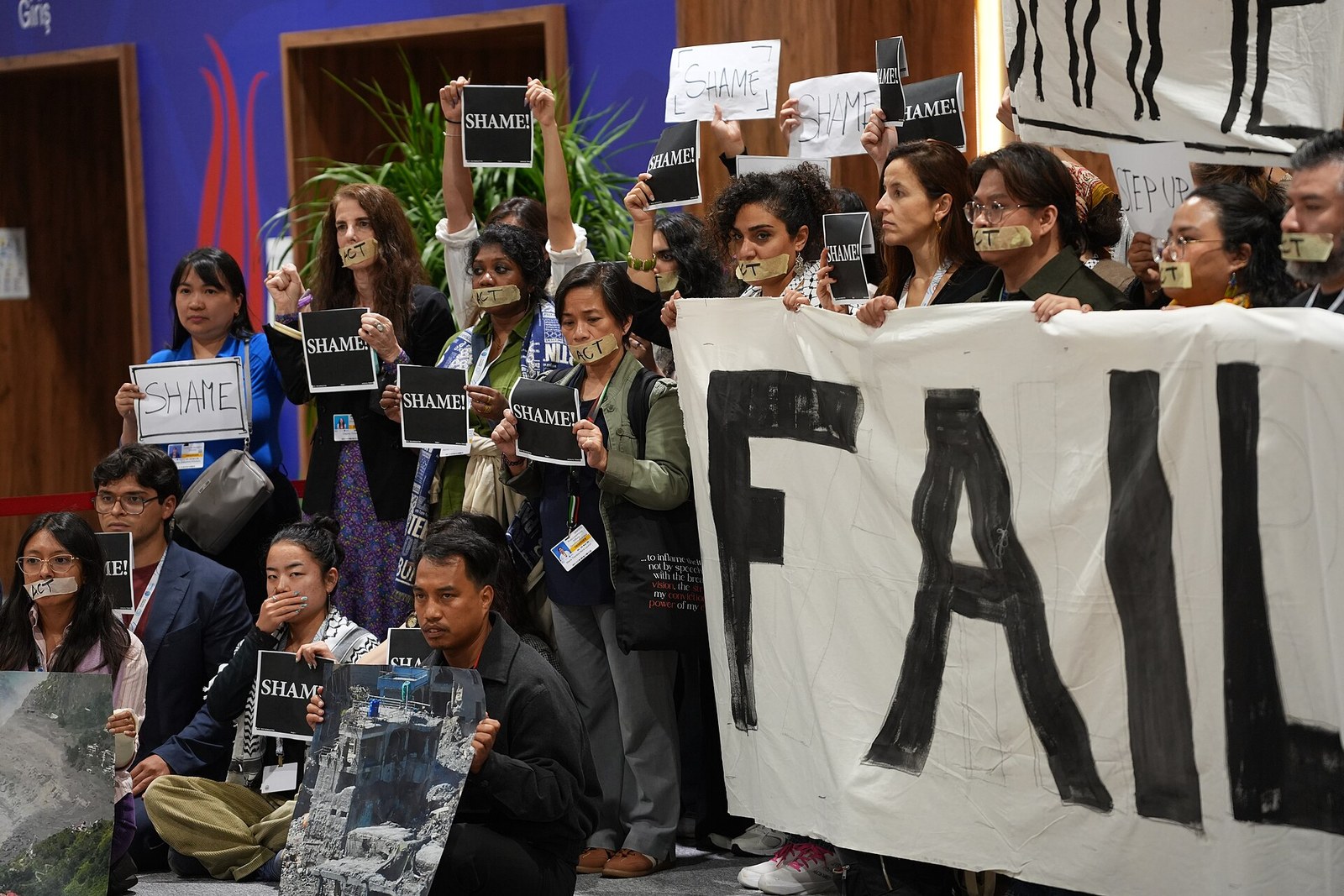
🌍 The 31st UN climate conference in Antalya, Turkey, the longest climate summit on record according to the author, ended without an overarching outcome. For Ravi S. Prasad, India's chief climate negotiator from 2013 to 2021 and now a Distinguished Fellow at the think tank Council on Energy, Environment and Water (CEEW), that shows the COPs are turning into an annual circus where countries, groups and individuals come to perform their own acts. In a column in the Indian Express he writes that presidencies are pressed to deliver results that do not emerge from consensus among the parties. 📜 His remedy: go back to the design of the Paris Agreement. Each country determines its own climate action, and developed countries deliver the support they have already promised to developing ones. Voluntary host initiatives, such as the Antalya target for electricity to meet 35 per cent of final energy demand by 2035, he sees as confusing and as top-down goals that leave out finance and technology transfer. 💶 The heart of the dispute, in his view, lies with the rich countries: they caused most historical emissions and are now avoiding their payment duties. It is the view of a former negotiator for one side, not a neutral account of the summit.
🧩 How the talks are meant to work. Prasad recalls that a COP negotiates through standing bodies: two subsidiary bodies on implementation and scientific advice, and the CMA, where the parties to the Paris Agreement take decisions. Each body inherits an agenda of unfinished items mandated by earlier conferences. Yet countries keep trying to add new items. That is legitimate, he writes, but when a proposal is rejected, there is no consensus. The sponsor should then build support for why it matters and let the item wait its turn rather than force it through.
🎯 New priorities every year. What adds to the confusion, in his account, are the so-called action agendas: voluntary pledges and initiatives a presidency launches outside the negotiations. COP30 in Belém had six thematic pillars with 30 solutions, COP31 ten priority themes, headed by the electricity target. On top came a voluntary roadmap for the transition away from fossil fuels that Brazil's COP30 presidency released this month. Prasad asks which of these priorities a country is supposed to pursue when every conference brings new ones. Such goals, he argues, run against the spirit of Paris, where national climate plans (NDCs) are the norm rather than targets set by a handful of advocates. He calls it understandable that developing countries like India declined the electrification pledge, based on their own realities.
🏭 The emissions paradox. As evidence, Prasad cites an analysis by his own think tank, CEEW: North America, Europe, Australia, Japan and New Zealand, with under 15 per cent of the world's population, accounted for 55 per cent of emissions from 1850 to 2019. Even if these countries reach net zero by 2050, by this reckoning they will have used 40 to 50 per cent of the remaining carbon budget, while they keep exploiting fossil fuels. Pressing others to move fast away from coal, oil and gas therefore looks insincere to him, and leaves developing countries little room to grow.
💶 The fight over money. The second fault line, for him, is finance. Developed countries pushed back against their agreed obligations for mitigation, adaptation, technology transfer and capacity building, citing economic stagnation and wars. Those problems may be genuine, Prasad concedes, but the duties stand, grounded in the principle of common but differentiated responsibilities: everyone acts, but those who caused more and can afford more should do more. Attempts to widen the group of donors only breed mistrust, he writes. In Antalya, according to Prasad, developing countries sought a tripling of adaptation finance from a baseline of at least 120 billion dollars, as agreed in Belém; developed countries did not accept it. The Baku to Belém Roadmap, meant to mobilise 1.3 trillion dollars a year in climate finance for developing countries by 2035, will stay an undelivered promise without defined milestones and a split between public and private money.
🧭 What he proposes. For the second global stocktake, the five-yearly review of collective progress that began this month, Prasad sets out three tasks. First, it should examine group by group why countries fell short on cutting emissions, and measure the gaps in finance, technology and capacity that hold developing countries back. Second, developed countries should present a plan for the roadmap with annual milestones and a clear public-private split. Third, action agendas should stay voluntary and separate from negotiated outcomes, and new proposals should reach the parties well before a COP. Until this duplicity is addressed, he concludes, the summits will remain annual circuses.
⚖️ Context. Prasad writes from the position of a country that has insisted for years on historical responsibility and finance pledges; the CEEW figures come from his own institution. Developed countries and small island states pushing for faster cuts often see voluntary targets as a needed push, because the national plans together fall short of the 1.5 degree limit. Prasad, too, calls the risk of overshooting 1.5 degrees serious, but insists that solutions without the means to implement them help no one.