🌊 Alaska's walruses crowd ashore as sea ice vanishes, and a land deal shields their haulout
In brief
- 🧊 With summer ice gone, walruses rest on land near Point Lay.
- ⚠️ Disturbances can trigger stampedes that kill young animals.
- 🌿 The Conservation Fund has secured over 190 km² against development for good.
- 🏹 Indigenous hunting and cultural use can continue.
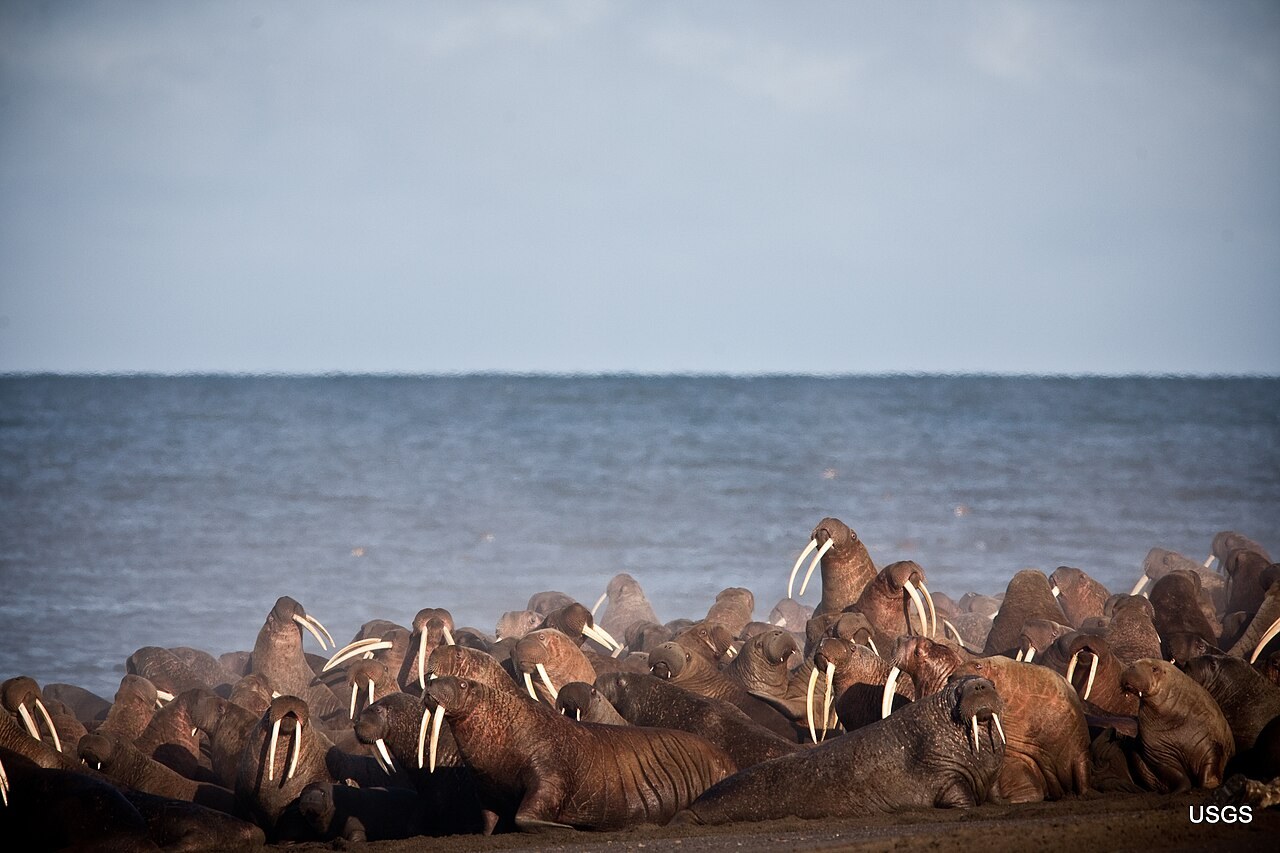
🌊 Pacific walruses in northwestern Alaska are losing the summer sea ice that females use to nurse their young and rest between feeding dives. According to a report by French broadcaster RFI, they now gather each year on beaches and barrier islands near the village of Point Lay. The US organisation [The Conservation Fund](https://www.conservationfund.org/) has now bought a conservation easement over **more than 190 square kilometres** that include the gathering site: roads, tourism and industrial development are barred there permanently, while Indigenous hunting and cultural activities remain allowed. 🌿
🦭 **A crowd on the shore.** For about two decades, nearly 200,000 females and young walruses have assembled there between late August and September, the largest gathering of its kind in North America, RFI reports. The ice in the region between Alaska and Russia retreats ever further north in summer, which the broadcaster attributes to human-caused warming. The animals feed on molluscs on the floor of the Chukchi Sea.
⚠️ **Why it is risky.** John Wros, the organisation's Alaska director, says groups can number up to 50,000 animals weighing a tonne each. When disturbed, they rush into the water and can crush and kill one another, especially the young; this has happened several times and cost hundreds of young walruses their lives. A brown or polar bear, the glint of binoculars, an overflying plane or an approaching boat can be enough.
🤝 **What the village does.** Anthony Fischbach, a scientist with the US Geological Survey, told RFI by email that Indigenous communities now hunt walruses only when they are in small groups. They have turned cruise ships away and alert the authorities so the area is avoided while the animals gather.
🏗️ **The deal.** The group negotiated for ten years with the company that represents the local Indigenous people and is charged with generating income for them, an arrangement particular to Alaska. The price of the newly completed transaction is secret. Wros points to heavy development pressure, mainly from the natural resource industry, and says environmental protections are being dismantled on nearby federal land under the current US administration. He considers tourism at the site entirely inappropriate: the best thing for the walruses is for people to stay away.
🐦 According to the organisation, the change also protects a vast lagoon system, coastal wetlands, tundra and the mouths of three free-flowing rivers, as well as habitat for the Western Arctic caribou herd, hundreds of thousands of migratory birds, bears and wolverines.
🔭 **Open questions.** American University marine biologist Chelsea Koch sees value in places that give walruses a chance to adapt, provided Indigenous communities take part in discussions and management and keep their subsistence rights. The Pacific walrus population is doing well and has found an answer to the melting ice for now, she says. But the loss of ice is upsetting the whole Arctic food web: mollusc beds could shift north or shrink, so food could one day run short.