🌍 Fire and sea: how the climate crisis is driving thousands of Europeans from their homes
In brief
- 🚒 The wildfires in southern France alone forced more than 220,000 people to evacuate this summer, and nearly 75,000 in Spain.
- 🌊 In Ireland, coastal erosion is eating gardens and houses; in the village of Portrane more than 200 homes are at risk by 2050.
- 📊 Wildfires cause nine in ten disaster displacements in the EU, according to the IDMC.
- 🏠 Mayors and researchers call for pulling settlements back from danger zones.
🌍 The climate crisis is increasingly forcing people in Europe from their homes too. A report by the Spanish daily EL PAÍS shows it in two places: Le Porge in France's Gironde, where this summer's wildfire destroyed houses, and Portrane on Ireland's east coast, where the sea is carrying away land piece by piece. The Gironde fires were the largest in France since the Second World War: 42,000 hectares in one week and more than 220,000 people evacuated. More than 700,000 hectares have burned in the EU this year, according to official figures. 📊 According to the Internal Displacement Monitoring Centre (IDMC), disasters caused nearly 30 million displacements worldwide in 2025; the EU was the least affected region with about 125,000, but much higher figures are expected for 2026. In the EU, nine in ten such displacements are caused by wildfires. 🏠 Mayors and scientists now openly call for retreating from the most exposed places instead of building ever more defences.
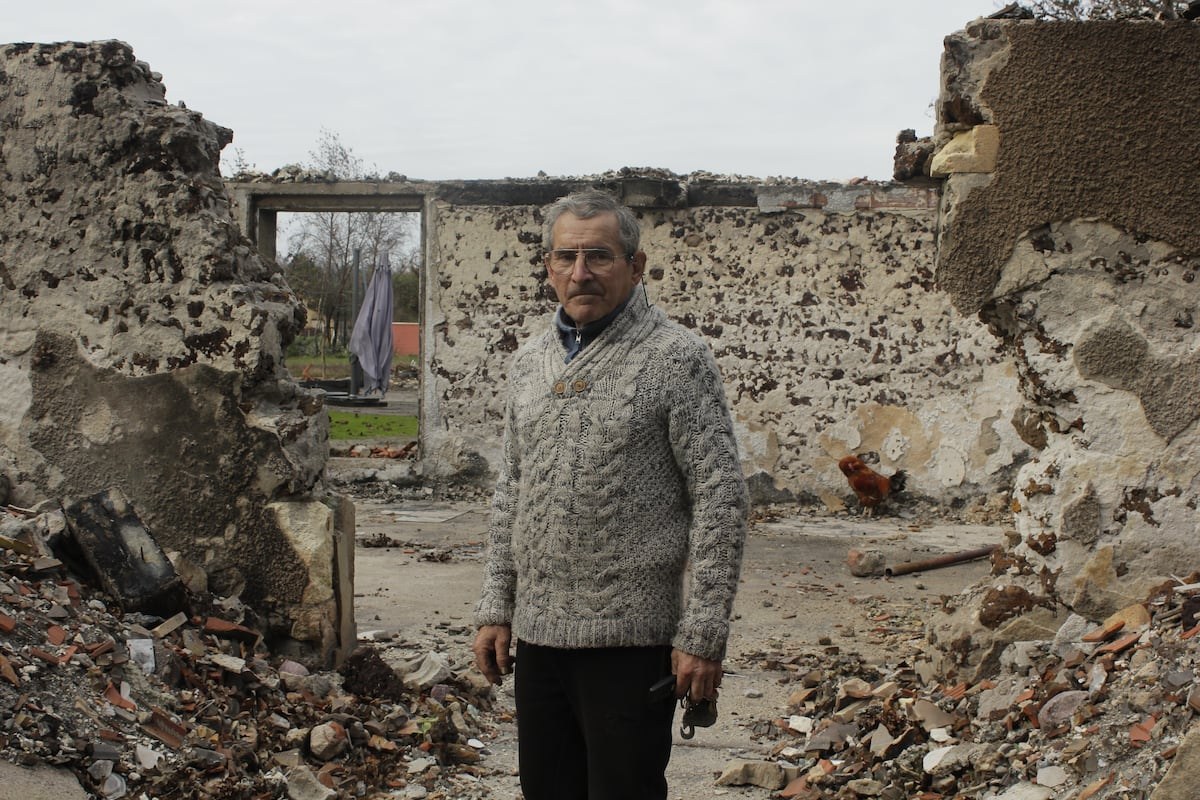
🚒 **Le Porge: a village after the fire.** In Le Porge, a town of 3,400 at the centre of the fires, 74-year-old Philippe Verdier walks through the ruins of the house he lived in for 40 years; four charred walls are all that remain. The authorities have set up temporary housing for around 250 affected families until their homes are rebuilt, which Mayor Martial Zaninetti says will take years. “Are they climate refugees?” he asks, saying nobody was prepared for such a disaster. Zaninetti also says people will have to move away from the forest. About a hundred residents have filed a lawsuit to establish the cause of the fire, how the authorities handled the crisis and whether the state bears any responsibility. In the coming days residents will learn whether they may rebuild in the same places.
🌊 **Portrane: erosion on the Irish coast.** At the Burrow, the village's largest beach, the coastline has retreated 20 metres inland since the mid-20th century, according to a 2020 study by consultancy RPS; several houses now stand at the edge of a cliff. If sea levels rise by half a metre, more than 200 homes will be at risk by 2050 and nearly 250 by 2100. Eamann Cahill, an 81-year-old priest, has already lost 120 to 130 square metres of his garden. The Climate Ireland platform estimates that 20 percent of Ireland's land area is at risk of erosion; across Europe a quarter of coastlines are eroding, according to a Council of Europe report. Fences, rock cages, concrete honeycomb blocks, sandbags and, this year, emergency rock revetments have not solved the problem. There is no national strategy and no compensation for people who lose their homes to the sea.
🧭 **Retreat instead of walls.** Iris Möller, head of the School of Geography at Trinity College Dublin, believes Portrane's fight against the sea cannot be won. She argues for planned retreat, a strategy France already applies to more than 1,000 homes on its coast. Migration researcher François Gemenne of HEC Paris expects more and more Europeans to weigh climate and environmental risks when buying a home, and says it is a mistake to think terms like climate refugee apply only to the Global South.
☀️ **A year of extremes.** According to the EU's Copernicus Earth observation programme, summer 2026 was the hottest on record in Spain, France, the United Kingdom, the Netherlands, Belgium and Austria. A study by Imperial College London and the London School of Hygiene & Tropical Medicine estimates more than 50,300 heat deaths in Europe this year, 65 percent of them attributable to climate change. Paula Gaviria, the UN Special Rapporteur on the human rights of internally displaced persons, calls displacement a “silent tragedy” that goes largely unrecognised. International law does not recognise climate change as grounds for refugee status, which is why the term climate refugee remains disputed.