🌏 Australia's emissions fall, but too slowly for its 2035 climate target
In brief
- 📉 Emissions fell 1.3 percent, or 6.2 million tonnes, in the year to June 2026.
- ⚠️ The 2030 and 2035 targets need 25 to 30 million tonnes of cuts a year, advisers say.
- ⚡ Electricity got cleaner while transport edged up.
- 🎯 The 2035 goal is a 62 to 70 percent reduction.
🌏 Australia's greenhouse gas emissions fell by 1.3 percent, or 6.2 million tonnes, in the year to June 2026. The figure comes from the government's annual climate statement released on Thursday. The pace is not enough for the country's own targets. The independent **Climate Change Authority**, which advises the government, says meeting the 2030 and 2035 targets will require sustained average cuts of around 25 to 30 million tonnes of CO2 equivalent a year, and calls closing the gap a formidable challenge. 🎯 By 2035 the country aims to cut emissions by 62 to 70 percent.
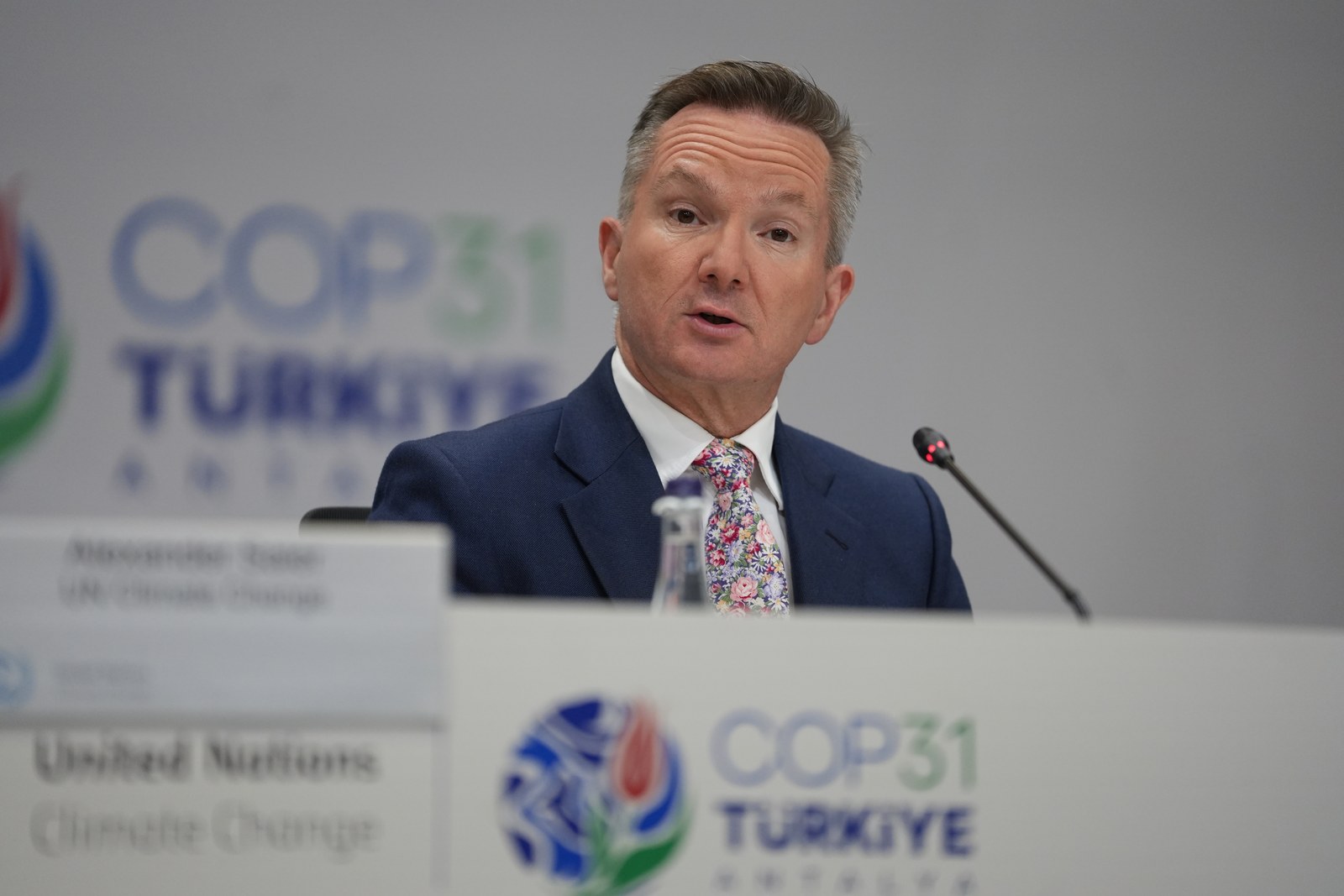
🗣️ Climate and Energy Minister Chris Bowen was positive about the numbers. The rate of reduction across 2026 was about one and a half times faster than the average over the past decade, he said, according to Australian broadcaster ABC.
📉 Compared with earlier readings, however, the drop has narrowed. For the year to March 2026 the reported cut was 7.5 million tonnes, and for the year to December 2025 it was 9.7 million tonnes. The 6.2 million tonnes announced now are smaller than both.
🎯 Two goals are legislated under the Climate Change Act 2022: 43 percent fewer greenhouse gases by 2030 and net zero by 2050. The government has additionally committed to the 2035 target. Modelling shows Australia remains on track to just meet the 2030 mark. After that, annual cuts would have to rise quickly: reaching the more ambitious 70 percent end of the range requires an average of 30 million tonnes a year, according to the authority.
⚡ Electricity showed the clearest progress. Its emissions fell 3.6 percent, and renewable sources supplied a record 45.9 percent of power in the National Electricity Market. The market operator AEMO also reported a record 44.3 percent share of renewable generation in that market for the September quarter.
🚗 Transport moved the other way, if only slightly, up 0.1 percent. Electric vehicles now make up close to a quarter of new cars sold, and petrol use fell. The increase came from more industrial diesel use. The climate statement says the sector is approaching a turning point, with falling electric vehicle prices and growing low-emissions technology expected to lock in further reductions.
🔬 Anna Malos of the Climateworks Centre, an independent research body at Monash University, points to declines in electricity, agriculture, industrial processes and stationary energy use. Transport emissions rose slightly, she noted, although those from petrol vehicles fell as fuel costs drove a record rise in electric vehicle uptake.
🌡️ The authority also placed the figures in a global frame, saying climate risks are escalating. The World Meteorological Organization found that 2025 was among the warmest years on record despite the cooling influence of La Niña, and that the past 11 years were the 11 warmest. A recent UN report, ABC notes, found the world is set to cross the threshold of 1.5 degrees Celsius of warming.