Wildfires on Australia's Flinders Island burn more than a tenth of its area 🌍
In brief
- 📍 Fires on Flinders Island have engulfed over 10% of it, emergency services say
- 🏚️ Six structures are damaged or destroyed and roads are closed
- 🚁 Six helicopters are deployed
- 🌦️ Better conditions should now let ground crews get closer
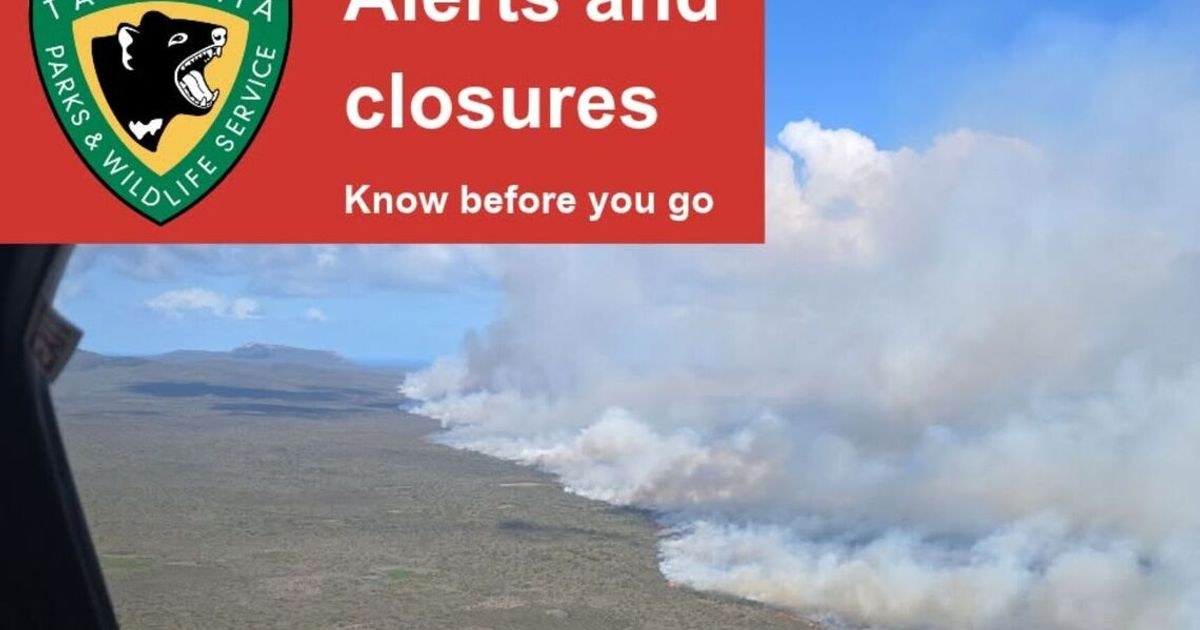
📰 Wildfires are burning on Flinders Island off Tasmania and have engulfed more than a tenth of it, according to emergency services. The Tasmania Fire Service says six structures have been damaged or destroyed, roads have been closed and wildlife is fleeing the flames. In the north of the island, residents are sheltering in place from a fire front with 10-metre flames. Weather in recent days made it too dangerous to approach on the ground. Conditions were expected to improve on 26 November, allowing crews to build containment lines.
📍 Flinders Island lies just over 50 km north-east of Tasmania and almost 150 km from the Australian mainland. The blazes are in its northern part.
🚒 Steve Richardson, Northern Deputy Regional Chief of the Tasmania Fire Service, put the event in context: it would not be the largest fire the island has had, but one of the more significant ones. With the change in conditions, he said, crews would be able to get closer safely and work to bring it under control. Six helicopters are supporting them from the air. Pictures and video shared by national broadcaster ABC and the fire service showed vast plumes of smoke over the island.
🦘 Residents described the scene to ABC. Alan Wheatley said he saw little possums on the road, which was not a good sign. Big fires in past years had always been brought under control, he said, but he thought this one was a bit faster. Another local, Jamie Brousard, called it a very worrisome time and said it was shattering to see people who had just lost their properties.
🌡️ Australia has long been prone to severe bushfires. During the Black Summer from late 2019 to early 2020, millions of hectares burned, thousands of homes were destroyed and cities were blanketed in smoke. Scientists say human-caused climate change has made the extreme conditions that fuel such blazes twice as likely as in a pre-industrial climate. Officials have also warned that the 2026 El Niño, projected to be the strongest on record, could make the coming fire season more intense.
The report does not say how many of the affected structures are homes.