🛢️ Ken Fisher: The Strait of Hormuz is fast losing relevance
In brief
- 🛢️ Investor Ken Fisher argues in an Infobae column that pipelines and new supply are eroding the strait's weight.
- 📉 He expects oil prices to head back near pre-war levels soon.
- 🇦🇷 He tells Argentine investors not to buy more energy shares and to diversify worldwide.
- ⚠️ The IEA still sees Gulf exports below pre-war levels and attacks as a risk.
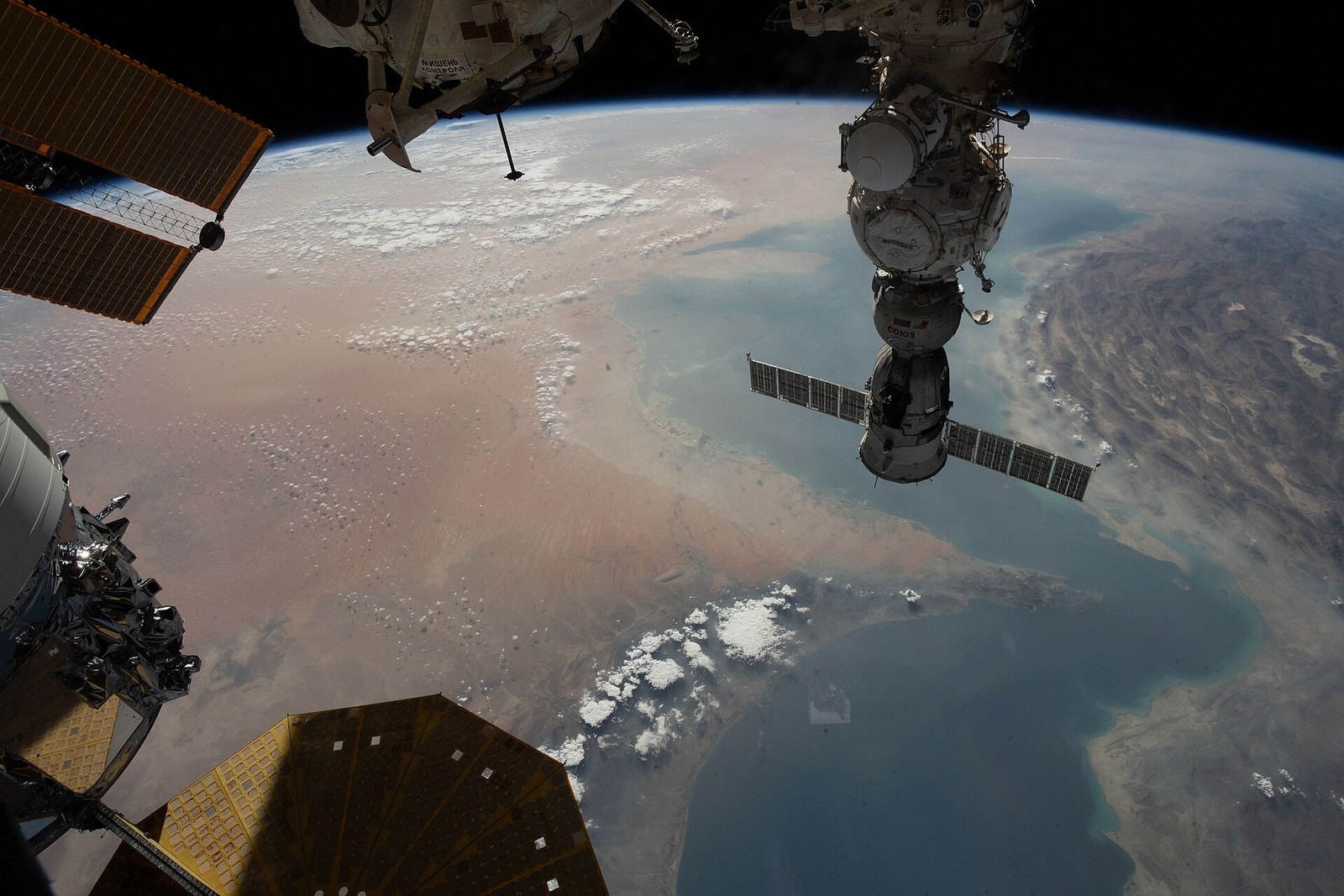
🛢️ Investor Ken Fisher uses a column in the Argentine newspaper Infobae to argue against the crisis mood: the Strait of Hormuz is quickly becoming less important because producers are adapting. Saudi Arabia and the United Arab Emirates are moving large volumes through pipelines that avoid the waterway, and countries outside the Persian Gulf are pumping more. 📉 From this he concludes that high oil prices will not last and will soon move back close to July and pre-Iran-war levels. For Argentina he sees two sides: output is at a record, yet energy shares, which have cushioned the Merval index, are in his view about to fall behind quickly. This is one author's forecast, not established fact.
📌 **The starting point.** Since March many analysts had predicted disaster if the war did not end soon, with some forecasts putting a barrel at 250 dollars, Fisher writes. In Argentina the government postponed planned fuel tax increases, froze prices for a time and raised export duties on oil. He criticises the last step: prices are set globally, and such measures limit the growth of supply. The global catastrophe did not arrive, he argues, because prices send signals and expensive oil pushes producers to adapt. He had already argued in April that war-driven price spikes tend to be short, and points to the drop from 138 dollars on April 7 to 69 dollars on July 2, before prices climbed again.
🚧 **Setbacks he acknowledges.** The Houthis disrupted Red Sea traffic, Iran attacked ships, and in September drones knocked out Saudi Arabia's East-West pipeline to Yanbu. Oil and especially diesel became dearer again. Fisher answers that the Saudis had the line back at 80 percent within three weeks, that small tankers have been shuttling cargo to larger ones outside the strait, and that crude has moved from Yanbu to Egypt and onward. The kingdom could soon export three million barrels a day more through upgraded pumping stations and a converted gas line. The Emirates are doubling their bypass pipelines, truck convoys cross the desert to ports, and Iraq is set to revive westward lines.
🔎 **What other figures show.** Al Jazeera reported on October 6 that the Saudi energy minister put pipeline flows back at 5.8 million barrels a day, against a maximum capacity of 7 million. According to [Euronews](https://www.euronews.com/2026/10/05/middle-east-oil-exports-return-to-pre-war-levels-excluding-iran), data firm Kpler found that crude and condensate exports from the Gulf excluding Iran reached the pre-war average in September, at least 16.5 million barrels a day. Some 40 percent of that bypassed Hormuz, compared with 17 percent before the war. Fisher himself puts Gulf oil exports at about 85 percent of earlier levels. For October the International Energy Agency, as reported by the [Oil & Gas Journal](https://www.ogj.com/general-interest/economics-markets/news/55418773/iea-sees-oil-market-surplus-returning-as-gulf-exports-recover), puts crude at 82 percent, but total exports excluding Oman about 26 percent below pre-war levels. It expects the world market to return to surplus in the fourth quarter, while warning that renewed attacks on shipping remain a significant risk and diesel is still tight. These measures cover different things and cannot be compared directly.
🇦🇷 **New supply from the Americas.** The United States, Argentina, Brazil, Canada, Guyana and Venezuela have together raised output by more than two million barrels a day since the war began, Fisher says. For Argentina, the energy secretariat reported a September record of 973,700 barrels a day, up 15.5 percent year on year, according to [Dólar Hoy](https://dolarhoy.com/economia/argentina-alcanzo-un-record-historico-en-produccion-de-petroleo-y-se-acerca-al-millon-de-barriles-diarios-20261021112546); about 71 percent came from the Vaca Muerta shale formation.
💼 **His advice.** Many investors expect energy strength to continue and are buying more. Fisher calls that a mistake: these shares will turn from leaders into laggards, and quickly. Investors who want protection from falling oil should diversify globally now. Whether his timetable holds depends on assumptions the war could upset at any moment.
Sources
- Saudi Arabia says East-West pipeline pumping 5.8 million bpd (Al Jazeera)
- Argentina oil output record, September 2026 (Dólar Hoy)
- Gulf crude exports return to pre-war levels, excluding Iran (Euronews)
- Ken Fisher: El mundo se adapta y Ormuz pierde relevancia a toda velocidad (Infobae)
- IEA sees oil market surplus returning as Gulf exports recover (Oil & Gas Journal)