🇰🇷 Dong-A column: the services deal with China brings South Korea competition without precedent
In brief
- 📰 In the Dong-A Ilbo, Lim Woo-sun warns that the new services and investment chapter of the free trade agreement with China is more threat than opportunity.
- 🎬 Rather than a comeback of K-dramas in China, Lim expects Chinese content and platforms to sweep South Korea.
- 🛒 E-commerce, finance and data are most at risk, the column says, while China keeps high barriers of its own.
- ⏳ The demand: the government should use the year before it takes effect to prepare.
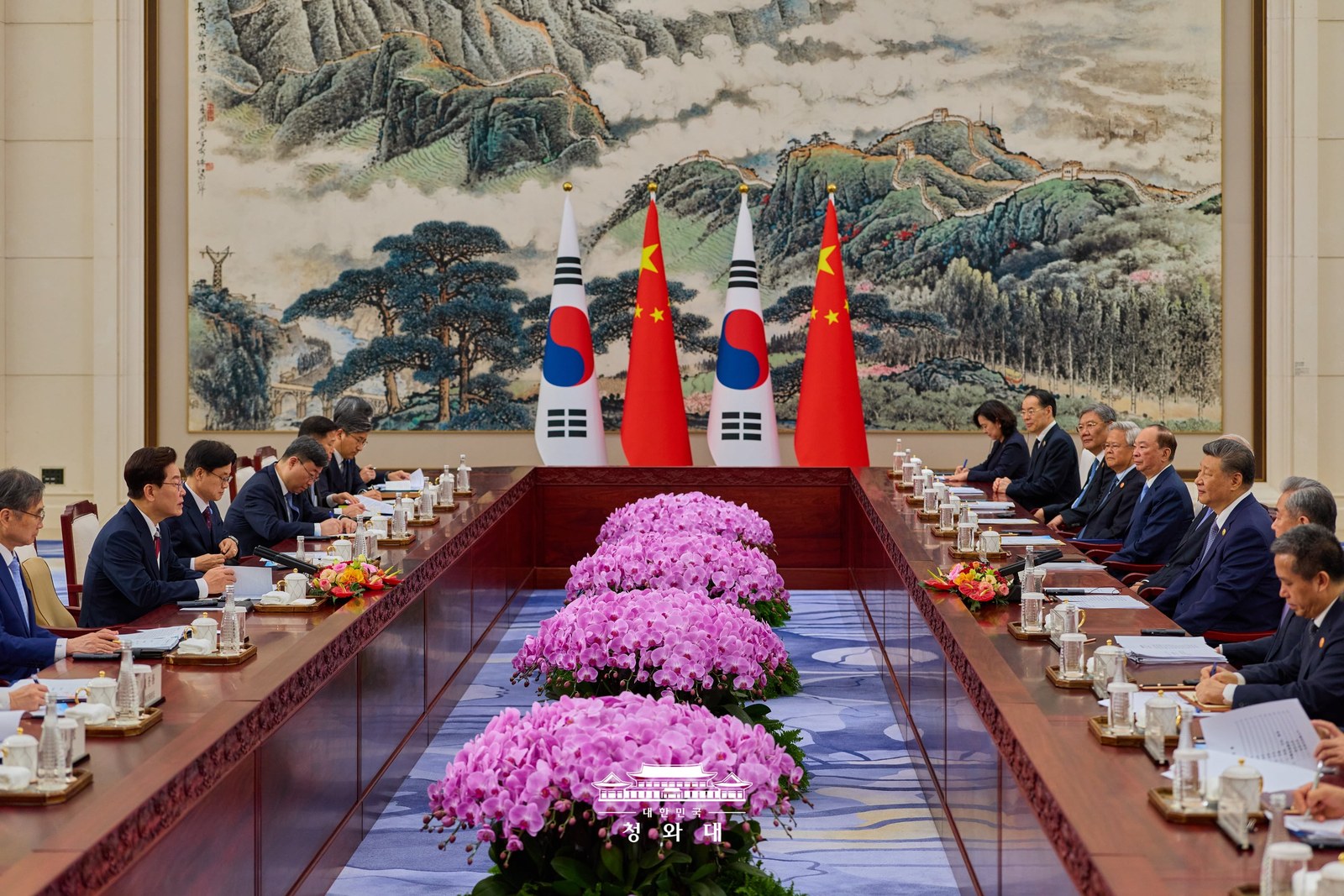
📰 On 18 November South Korean President Lee Jae Myung and Chinese leader Xi Jinping substantively concluded the second phase of their free trade agreement on the sidelines of the APEC summit in Shenzhen: the opening of services and investment, after eight years of talks. In South Korea it raised hopes that China's unofficial boycott of Korean pop culture was ending; entertainment and travel shares jumped by up to 30 per cent in a day, according to the column. Lim Woo-sun of the [Dong-A Ilbo](https://www.donga.com/) newspaper argues against the euphoria in the column "Today and Tomorrow". The point: China is no longer the country of ten years ago, when Korean series made waves there. With its capital and scale, China could conquer the Korean market rather than the other way round. Some even read the opening as a sign of Chinese confidence that it will not lose even with open borders. 🌏 Lim sees e-commerce, finance and data most at risk, while China stays hard to enter through permits and prior reviews. Lim's conclusion: the opportunity is large and so is the danger, and the government must use the remaining year before a possible opening to prepare companies and jobs.
🎭 **The opening: an unfamiliar name.** Lim starts with a scene among acquaintances. One person named an actress from a Chinese series as a current favourite and said they used to think Korean dramas were the best, but no longer: thanks to money there is more content, and acting and sets have become far more polished. For Lim this hints that the balance of power in entertainment has shifted.
📜 **What was agreed.** The first phase of the agreement took effect in 2015 and dealt mainly with goods. The second phase opens services and investment. As Lim describes it, the principle is that everything not explicitly excluded is open, and that rules once relaxed cannot be tightened again. After ratification by parliament, culture, content, tourism, retail and finance could open to each other as early as next year. According to a Korea JoongAng Daily report, China pledged most-favoured-nation treatment for Korean films and games and non-discrimination in prior screening, allows Korean travel agencies in 23 regions to organise group tours, and lets Korean retailers run more than 30 stores without a Chinese partner. Seoul's trade ministry called the content clauses a first in a Chinese trade agreement.
🛒 **The worry about e-commerce.** Lim's clearest example is the Chinese platforms AliExpress, Temu and Shein. Treated the same as Korean firms, they could attack with ultra-cheap goods, the coupon floods common in China and fast delivery. Then not only domestic manufacturers and small retailers would be squeezed; there is talk that even the market leaders Coupang and Naver could struggle to hold on. Add China's fintech from a society that went cashless long ago, and finance and data markets could also be taken quickly. Already, Lim writes, the top travel app in Korea's app store belongs to the Chinese company Trip.com.
💄 **The lesson from cosmetics.** As a warning Lim points to Korean beauty products. About half of their exports once went to China; since 2022 the share has fallen to around ten per cent, according to the column. The reasons Lim gives are stricter approval rules in Beijing from 2021, a Chinese industry that absorbed Korean contract-development know-how and rose as C-beauty, and the patriotic consumption of young Chinese. The same could happen in services, Lim argues, especially as the opening takes effect immediately in Korea while China keeps high non-tariff barriers through local permits and prior reviews.
⚖️ **Context.** The column is an opinion, not a forecast with figures. The government holds the opposite view: President Lee called the deal a catalyst for more mutual market entry, according to his national security adviser, and both sides agreed to widen cultural exchange step by step, for example through joint film productions. How much of either side's hopes or fears comes true depends on the implementation, which Lim addresses with her call for preparation in every single sector. 🔍