📉 Column: Compass heads to New York, and London lacks the next generation of defining businesses
In brief
- 📉 Compass is moving its primary listing from London to New York; columnist Chris Blackhurst reads it as a warning sign.
- His diagnosis: companies leave, few arrive, and many are taken over.
- He cites 23 London IPOs last year against 354 in the US.
- His advice to government: cut red tape and act rather than review.
The caterer Compass is moving its primary listing from London to New York. For the business columnist Chris Blackhurst, writing in The National, that is far from a footnote: he argues it shows London losing its pull as a place to list. He describes a three-pronged squeeze: companies list elsewhere, few come in to replace them, and more are being bought. His demand of politicians is blunt: less reviewing and pondering, more relief for business. This is one author's argument, not an established analysis. 📰
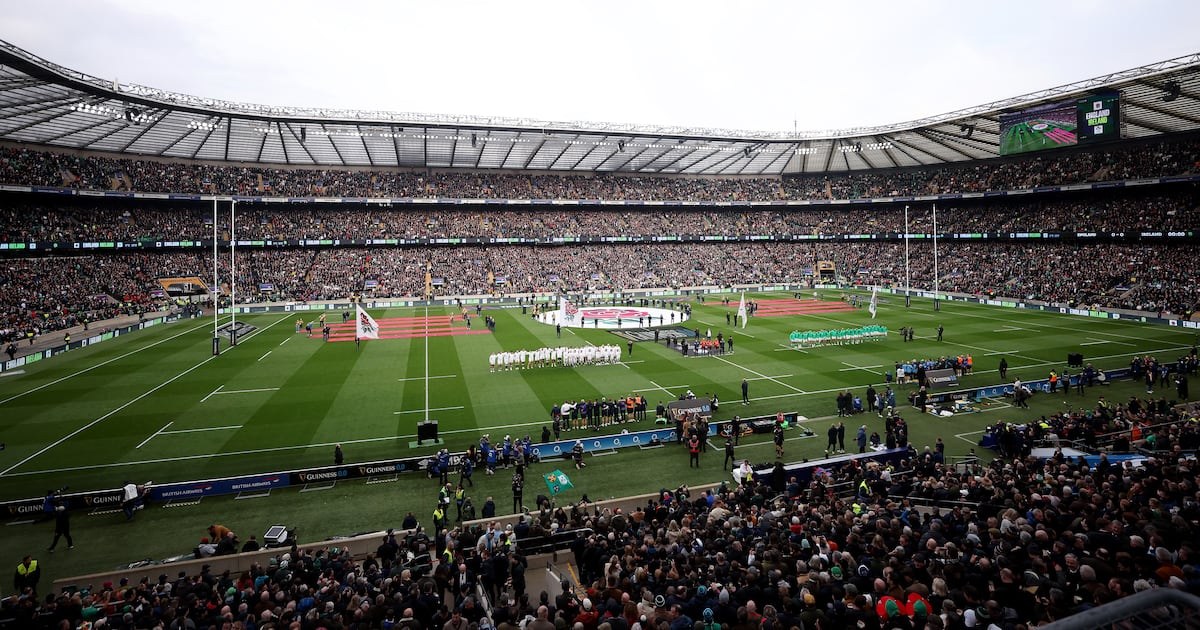
Blackhurst starts with the company itself. Compass grew out of post-war rules that obliged firms with 250 or more workers to provide hot meals for them. Today, he writes, it employs 600,000 people in 25 countries, under brands such as Levy (stadium catering at Twickenham, Tottenham Hotspur Stadium, Old Trafford and Edgbaston), Bon Appetit, Eurest, Morrison Healthcare and Chartwells. Revenue last year was $46.1 billion, and the fact that it reports in dollars rather than pounds was, in his reading, already a clue to its plans.
🔎 Compass is not alone, he says. He lists Wise, Flutter, Ferguson, Indivior, Diversified Energy, Sunbelt and CRH as earlier switchers. They moved their listings, not their operations, so jobs are not lost, but advisers and professional services feel it. Over time such firms loosen the ties to their origins and American influence grows. Shell and AstraZeneca are tipped as possible next movers.
📊 The real worry, in his view, is the missing replacements. London hosted 23 IPOs last year raising £2.1 billion; the US had 354 raising $44 billion. This year London IPOs have shrunk to a trickle, and Dealogic reckons the UK has fallen to 14th place globally, behind Malaysia, Turkey and Norway. Meanwhile $133 billion of UK-listed companies have been bought so far this year, the highest tally since 2018, including easyJet and Schroders.
Blackhurst quotes Dame Julia Hoggett, the head of the London Stock Exchange: if Britain is to back Britain, there must be structural incentives, and "we need to take the handbrake off". A government official described the mood as "genuinely frustrating". Labour announced new listing rules more than two years ago, he notes, and they have not worked. In his recent Budget, John Healey, as Blackhurst tells it, fell back on a review of stamp duty and a three-year window for trading newly listed shares. Ministers including City Minister Lucy Rigby hold that stamp duty holds listings back; Blackhurst calls it nonsense to make it the main factor, since the issue "goes much deeper".
🗽 He concedes the logic for a global group: New York is the dominant capital market. London never took business from New York, he says; the two existed side by side, and London can still thrive. Restoring its lustre means encouraging talent, giving it the tools to prosper (tax breaks included), and stripping away regulation and red tape. In the week of the announcement, he writes, Andy Burnham and business secretary Jonathan Reynolds had breakfast with a group of chief executives and heard about the prime minister's plans towards the European Union and a "10-year plan"; Blackhurst calls it talk without action. His conclusion: Compass should serve as a red flag, so stop talking and start doing.