🛰️ Vulcan rocket fails and 40 Amazon Leo satellites are lost
In brief
- 📅 During the November 15, 2026 launch, ULA's Vulcan suffered an anomaly about ten minutes after lift-off; the 40 satellites did not reach orbit.
- 📰 It is ULA's first launch failure since the company was formed in 2006.
- 🔢 Amazon has about 390 Leo satellites in service; the FCC required 1,600 by July 31, 2026.
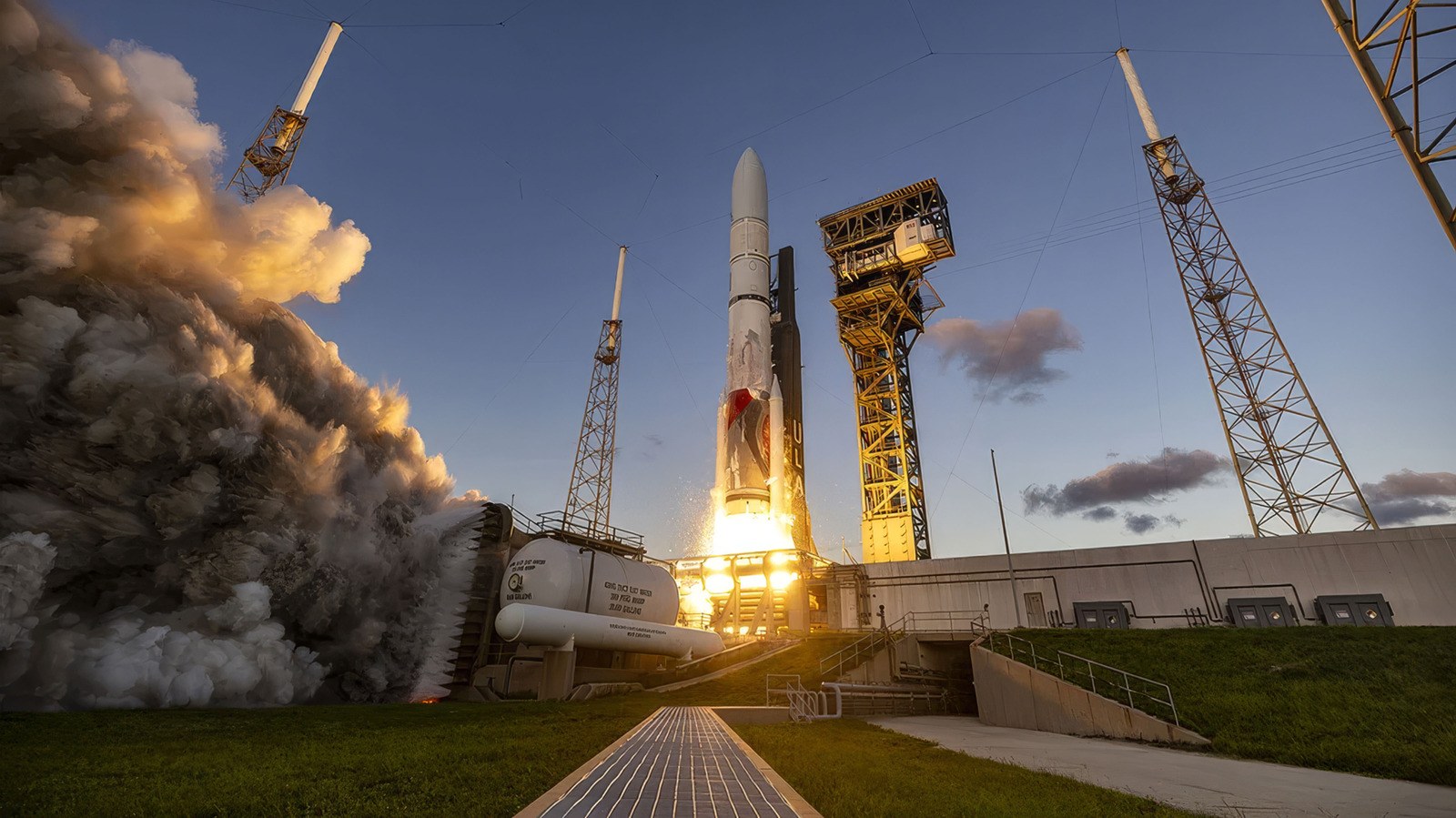
📡 A United Launch Alliance (ULA) Vulcan rocket lost 40 satellites for Amazon's Leo internet service on Sunday, November 15, 2026. It lifted off at 12:40 p.m. ET from Space Launch Complex 41. ULA said the vehicle suffered an anomaly about ten minutes into flight, during the burn of the hydrogen-powered Centaur upper stage, which was planned to run 12.25 minutes. The payload did not reach orbit. It is ULA's first launch failure since the company formed in 2006. The loss is a setback for Amazon, which has 38 Vulcan flights booked and is far behind an FCC requirement of 1,600 satellites in orbit by July 31, 2026; about 390 are in service. Vulcan faces a possible grounding until the cause is understood.
🏗️ Vulcan is ULA's newer rocket, meant to replace the Atlas V. It plays a central part in Amazon's Leo network, which aims to offer satellite internet from low orbits: Amazon has booked 38 Vulcan flights and 24 flights on Blue Origin's New Glenn. The Atlas V has already flown eight Leo missions successfully.
⏱️ Sunday's launch was already the second attempt. A Friday launch was scrubbed because of a refueling issue; on Sunday the countdown was held at T-minus 20 seconds for an initially unknown technical issue, which was resolved before the window closed. At 12:40 p.m. ET the rocket lifted off from Space Launch Complex 41 in Florida.
🔧 The solid boosters, which had caused problems on two earlier flights, appeared to work normally. According to Spaceflight Now, the first-stage methane engines fired longer than ULA's estimated timeline. The anomaly then occurred about ten minutes into flight, during the Centaur upper-stage burn, which was planned for 12.25 minutes. ULA confirmed the vehicle "suffered an anomaly 10 minutes into the flight and failed to deliver the Amazon mission to orbit." The company said it will work with its customer and other organizations to find the cause, has no specific data yet and is committed to transparency with customers. The Engadget report contains no Amazon statement on this loss.
⏳ The loss weighs heavily on Amazon because time is short. The FCC required 1,600 satellites, half of the planned constellation, in orbit by July 31, 2026; Amazon has about 390 in service, according to the report. Its target of 3,232 satellites by July 2029 may now be harder to reach. In July Amazon had said that no operator could have predicted that its three heavy-lift launch programs would face repeated, concurrent delays. In addition, Blue Origin's New Glenn, Amazon's other provider, exploded on the launch pad in May.
🔍 What happens next depends on the investigation. ULA says it will determine the cause, define corrective actions and return to flight "as quickly as possible." Until then Vulcan faces a possible grounding, and many of Leo's upcoming Vulcan flights are likely to be delayed.