🌍 Houthis say airstrike on Yemen's Turbah killed 11, including children
In brief
- 🌍 The Houthi-run health ministry says an airstrike early on Friday killed at least 11 people, including children, in Turbah, Taiz province.
- ⚖️ The Houthis blame Saudi Arabia; the Saudi-led coalition made no public comment.
- 📰 Neither the toll nor the circumstances have been independently confirmed; the figure is preliminary.
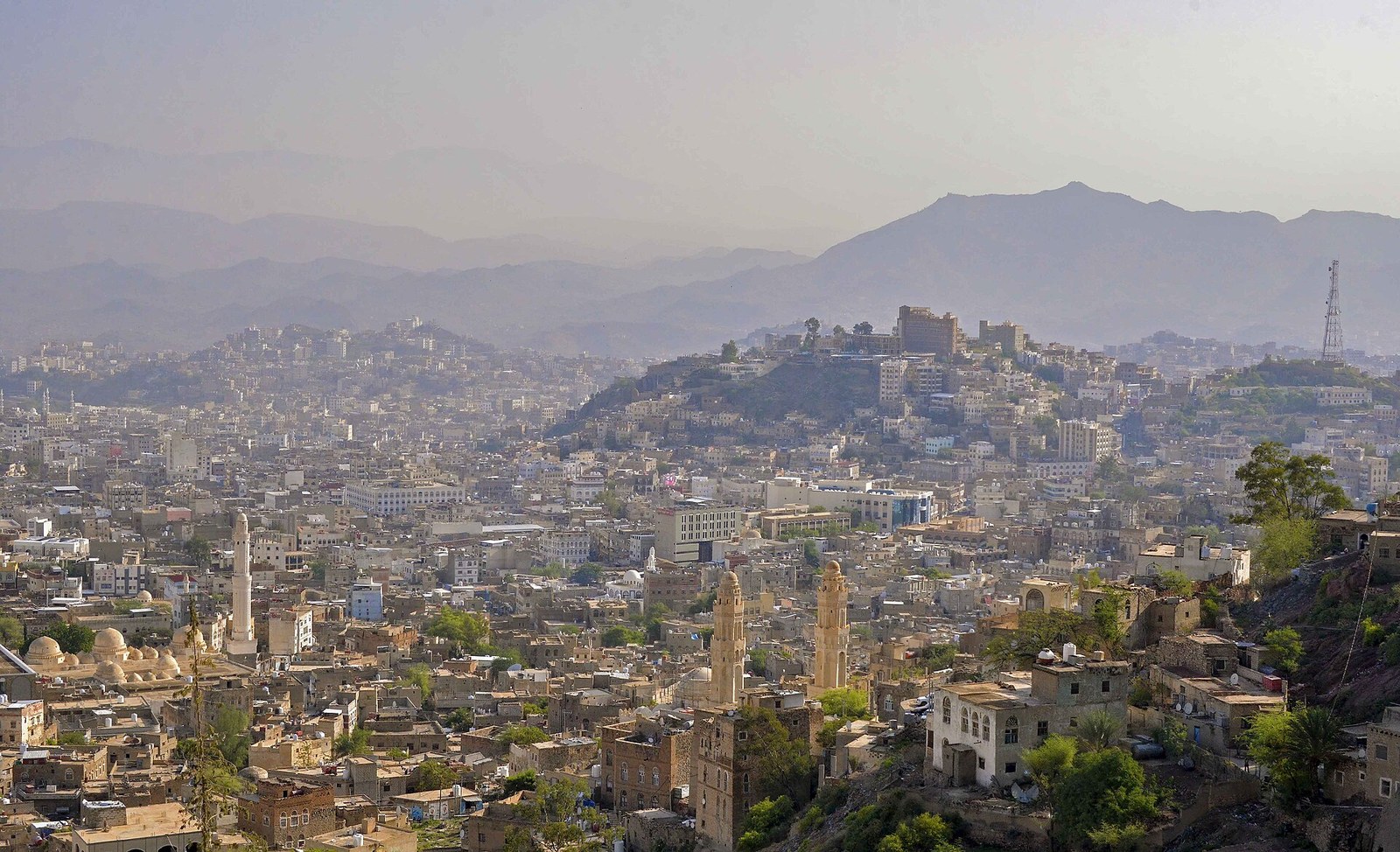
- 📍 Turbah has been held by the Houthis since early October and lies on the road from Taiz to Aden.
🌍 An airstrike on the town of Turbah in southwestern Yemen killed at least 11 people, including children, early on Friday, according to the Houthi-run health ministry. Ministry spokesperson Anees al-Asbahi wrote on X that the strike hit a former cinema building in Taiz province and that the dead included children who sold ice cream in the area and lived in part of the building. He called the toll preliminary because rescuers were still pulling bodies from the rubble, and blamed Saudi Arabia for the attack. 📰 The Associated Press could not independently verify the claims or the footage of a destroyed building aired by the Houthi channel al-Masirah. The Saudi-led coalition, which backs Yemen's internationally recognised government, made no public comment on the incident. The strike comes amid heavy fighting: since a ceasefire in place since 2022 collapsed in July, the Houthis have again been fighting government forces and attacking Saudi Arabia with missiles and drones. They captured Turbah, which lies on the road between Taiz and Aden, in early October.
🔍 **Different accounts of the building.** While the AP reported the Houthi ministry's description of a cinema building, the Indian newspaper The Pioneer, citing Houthi-affiliated media, described a residential building; eight bodies had been recovered and three people were still missing under the rubble. That account is not independently confirmed either; according to the report, Al Jazeera said it could not verify the casualty figures or the circumstances. The ministry spokesperson did not say how many of the dead were children.
📍 **Why Turbah is contested.** The town lies south of the provincial capital Taiz, Yemen's third-largest city, on the main road to Aden, the government's interim seat. It long served as an important position for government forces defending Taiz. The Houthis took it in early October, shortly before the government announced a major offensive called "Yemen Dawn". Rashad al-Alimi, head of the Presidential Leadership Council, said its goals were to recover the remaining territory held by the Houthis and to retake the capital Sanaa. The Washington-based Institute for the Study of War judged at the time that losing Turbah would seriously hamper the government's ability to supply its forces across the province.
⚔️ **How the war flared up again.** The latest escalation began in July, when the Houthis accused Saudi Arabia of bombing Sanaa airport to stop a plane from Iran from landing. Since then they have attacked Saudi Arabia with missiles and drones, and in September they captured the Red Sea port city of Mokha in their biggest offensive in years. On Friday itself, The Pioneer reports, the coalition said it had destroyed a Houthi drone launched towards the Riyadh region. In early October the United Nations put the toll of the renewed fighting at more than 800 dead and over 3,600 wounded, with more than 145,000 people displaced inside the country. According to the World Health Organization, as cited by The Pioneer, around 13,343 people have been killed or injured since August.
🤝 **A defence pact meets in Islamabad.** On the same day officials from Pakistan, Saudi Arabia and Turkey met in Pakistan's capital for talks under their defence pact, which treats an attack on one member as an attack on all three. According to the AP, the Houthi attacks on Saudi Arabia were on the agenda. The Joint Mecca Defense Agreement was signed in August by Crown Prince Mohammed bin Salman, Turkish President Recep Tayyip Erdoğan and Pakistan's Prime Minister Shehbaz Sharif; Erdoğan has now formally approved it, completing Turkey's ratification after parliament passed it over the objections of opposition parties.
🏥 **The humanitarian toll.** The civil war began in 2014, when the Houthis seized Sanaa; it has killed more than 150,000 people and caused one of the world's worst humanitarian crises. The Food and Agriculture Organization and the World Food Programme still list Yemen among the conflict hotspots facing severe food insecurity.