🇵🇱 'Slava UPA' graffiti on Warsaw monuments: Poland detains suspects and points to Russian intelligence
In brief
- 🚨 Polish police have detained suspects over 'Slava UPA' graffiti on three Warsaw monuments, six people according to Radio Svoboda.
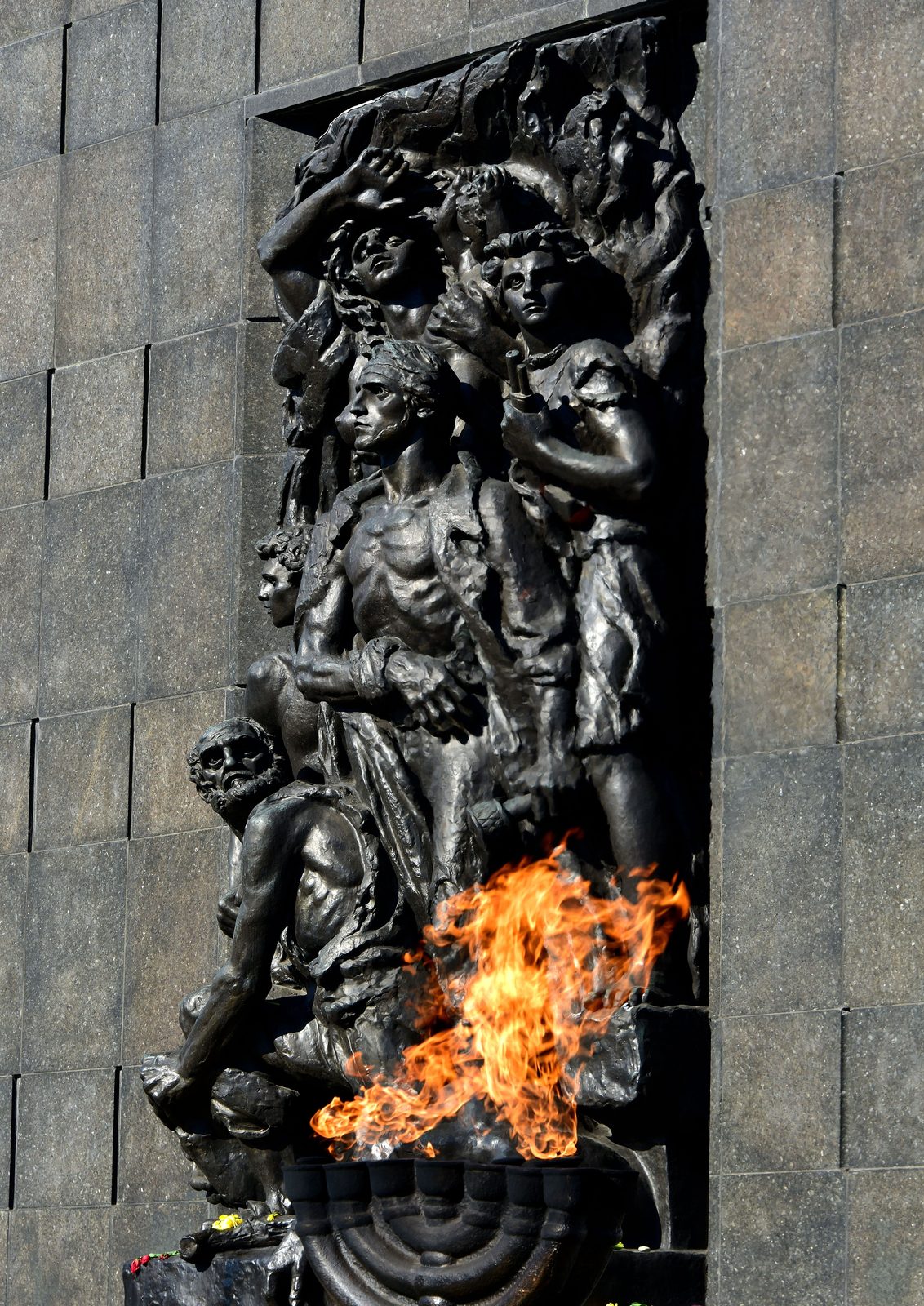
- 🕯️ The targets were the Warsaw Ghetto Heroes Monument, the Volhynia victims memorial and the monument to the Polish 1st Army.
- 💸 Investigators say the vandals were promised 1,000 zloty, with orders sent through a messenger app.
- 🕵️ Police suspect a group working for Russian foreign intelligence; two Ukrainians were deported.
🇵🇱 Polish police have detained suspects in the case of the 'Slava UPA' graffiti painted on monuments in Warsaw. Radio Svoboda (RFE/RL), citing the Polish police, puts the number at six: a 32-year-old Pole and five Ukrainians. On the night of 13 to 14 November, the slogan 'Glory to the UPA' was painted in red on three monuments: the memorial to the heroes of the Warsaw Ghetto, the memorial to the victims of the Volhynia massacres, which Poland classifies as genocide, and the monument to the soldiers of the Polish 1st Army. Stickers with QR codes leading to material about the Ukrainian Insurgent Army (UPA) were left as well. 🕵️ Investigators believe the group acted for Russian foreign intelligence, which they say has an interest in inflaming the dispute between Warsaw and Kyiv over the UPA's history. The vandals were allegedly promised 1,000 zloty, with instructions sent through a messenger app. The Pole is charged among other things with acting for a foreign intelligence service. Two Ukrainians whom the court declined to remand in custody were deported as a threat to national security. Ukraine's embassy had condemned the vandalism on 14 November as a 'shameful provocation' and part of Russia's hybrid war.
🔎 **How investigators found the group.** According to BBC News Russian, Warsaw investigators reached the suspects not through the monuments but through a fraud case. Two men had already been detained in that investigation, which concerned impersonation scams, and their questioning revealed the link to the graffiti. Police say two men worked together to paint the three monuments on the night of 13 to 14 November: the 32-year-old Pole and a 16-year-old Ukrainian.
📱 **Following the client's trail.** A phone number used by the alleged client belonged, the report says, to a 24-year-old Ukrainian. Police found him in Nowy Sącz together with his 19-year-old brother; the flat held phones, SIM cards, laptops, cash in several currencies and bank cards. In Wrocław officers searched the flat of a 31-year-old Ukrainian and found electronics, bank cards and drugs. Investigators say the clients were also looking for people in Wrocław to deface the city's Volhynia memorial, offering 1,000 dollars.
⚖️ **Charges and court decisions.** The 32-year-old Pole is charged with acting for a foreign intelligence service, desecrating a monument and fraud; according to the BBC, the court ordered three months of pre-trial detention. The 24-year-old from Nowy Sącz and the 31-year-old from Wrocław are charged with taking part in an organised criminal group, acting for a foreign intelligence service and desecrating a monument. Prosecutors asked for three months of detention, the court refused, and both men were then deported because the authorities considered them a threat to national security. The 19-year-old brother is under police supervision, barred from leaving the country and from contacting the other suspects. A family court sent the 16-year-old to a youth centre for three months. Radio Svoboda also counts a further Ukrainian held for three months in the fraud case, who according to police has nothing to do with the graffiti; the two reports differ on this point and on some ages.
🗺️ **Not an isolated case.** Similar slogans appeared in November in Poznań, Gdańsk and Gdynia. In Poznań, RMF24 reported, as cited by the BBC, that two Ukrainians were detained: an alleged painter said to have received 1,000 zloty, and a man said to have been paid 500 dollars to recruit him. Investigators there also suspect Russian intelligence. In Gdańsk a 17-year-old Ukrainian was detained, accused of daubing seven monuments in Gdańsk and Gdynia. Early in November the Belarusian outlet Most reported that a Telegram chat of emigrants in Białystok was recruiting people to write 'Slava UPA' on monuments in Poznań, offering 500 dollars per job.
🕰️ **Why the UPA.** The Ukrainian Insurgent Army is one of the most sensitive subjects between Poland and Ukraine. Many in Ukraine see it as part of the struggle for independence; in Poland it is linked above all to the massacres of Polish civilians in Volhynia during the Second World War, which the Polish state recognises as genocide. Reopening that wound strikes at the relationship of two neighbours that work closely together against Russia's war. Ukraine's embassy urged its citizens not to accept 'easy money' and to be careful with strangers in messenger apps. That Russia is behind the orders remains the investigators' assumption for now; no court has ruled on it.