🌍 UNHCR asks for $7.1 billion for 2027, a sharply reduced appeal
In brief
- 💵 The UN refugee agency UNHCR is seeking $7.1 billion for 2027, after asking for $8.5 billion for 2026.
- 📉 Only $2.9 billion of the 2026 appeal has been raised so far; the US and other donors have cut aid.
- 👥 Nearly 8,000 staff have left UNHCR since 2024, shrinking its workforce from almost 20,000 to just under 12,000.
- 🌍 117.8 million people were forcibly displaced at the end of 2025.
🌍 The UN refugee agency UNHCR is asking donors for $7.1 billion for 2027, far less than in previous years. The budget prioritises the most urgent needs, the agency said in Geneva on Friday, because needs are immense and the funding environment is exceptionally difficult. For 2026 UNHCR had sought $8.5 billion and has so far received only $2.9 billion. 🧭 If fully funded, the agency would provide protection services next year for 13.6 million refugees and asylum seekers and 6.7 million internally displaced people. Behind the cut is mainly the retreat of major donors: the United States, traditionally the largest, has reduced foreign aid under President Donald Trump, and other governments are saving too. UNHCR chief Barham Salih warned in October that his agency was being "asked to do the impossible". The appeal comes ahead of UNHCR's annual pledging conference in Geneva on Tuesday.
📋 **What the money is meant for.** Beyond protection services, UNHCR plans according to its appeal to give financial assistance to 3.9 million refugees and two million internally displaced people in 2027, and shelter and housing assistance to 1.8 million refugees and 850,000 IDPs. Spokesman Matthew Saltmarsh told reporters the strategy remains protecting people forced to flee, reacting quickly to emergencies and, crucially, helping refugees move beyond aid.
📉 **A long downward curve.** The gap between needs and money has been wide for years. In 2024 UNHCR sought $10.8 billion and received $5.3 billion. In 2025 it asked for $10.6 billion and ended up with $3.8 billion to spend. For 2026, about a third of the $8.5 billion has come in so far. The new appeal therefore starts from a lower base. The effects show inside the agency: nearly 8,000 employees have left since 2024, and the workforce has fallen from almost 20,000 to just under 12,000.
👥 **Hardly fewer displaced.** The number of people the money is supposed to reach has barely fallen. At the end of 2025, according to UNHCR, 117.8 million people worldwide had been forcibly displaced, slightly down from the record 123.2 million in 2024. Of them, 35.6 million were refugees under UNHCR's mandate, two-thirds of them from Afghanistan, Sudan, Syria, Ukraine and Venezuela.
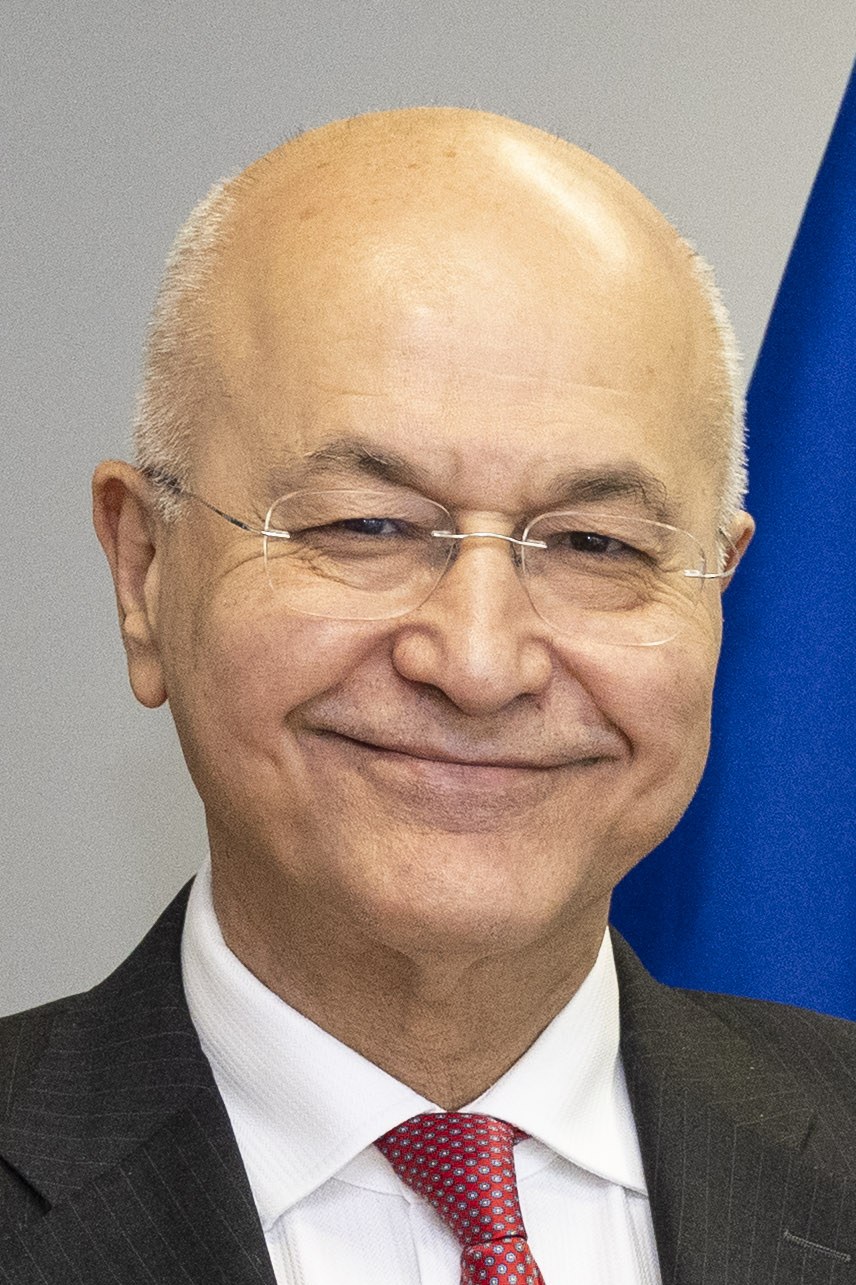
🧑💼 **The man at the top.** Barham Salih, a former president of Iraq, has led UNHCR since January 1, 2026, and was himself a refugee as a teenager. In a March profile by UN News he set the goal of halving within a decade the number of people in long-term displacement who depend on humanitarian aid, and acknowledged that this is far beyond UNHCR's current means and capabilities. His route there: refugees should be able to work and contribute to the economies of their host countries, with the help of development banks, private investors and donors. Most refugees live in low- and middle-income countries.
📅 **What comes next.** At Tuesday's pledging conference in Geneva, governments announce their contributions for the coming year. How close UNHCR gets to $7.1 billion will only become clear during 2027; the experience of recent years points to a large gap.