⚖️ International Court of Justice rules that Myanmar committed genocide against the Rohingya
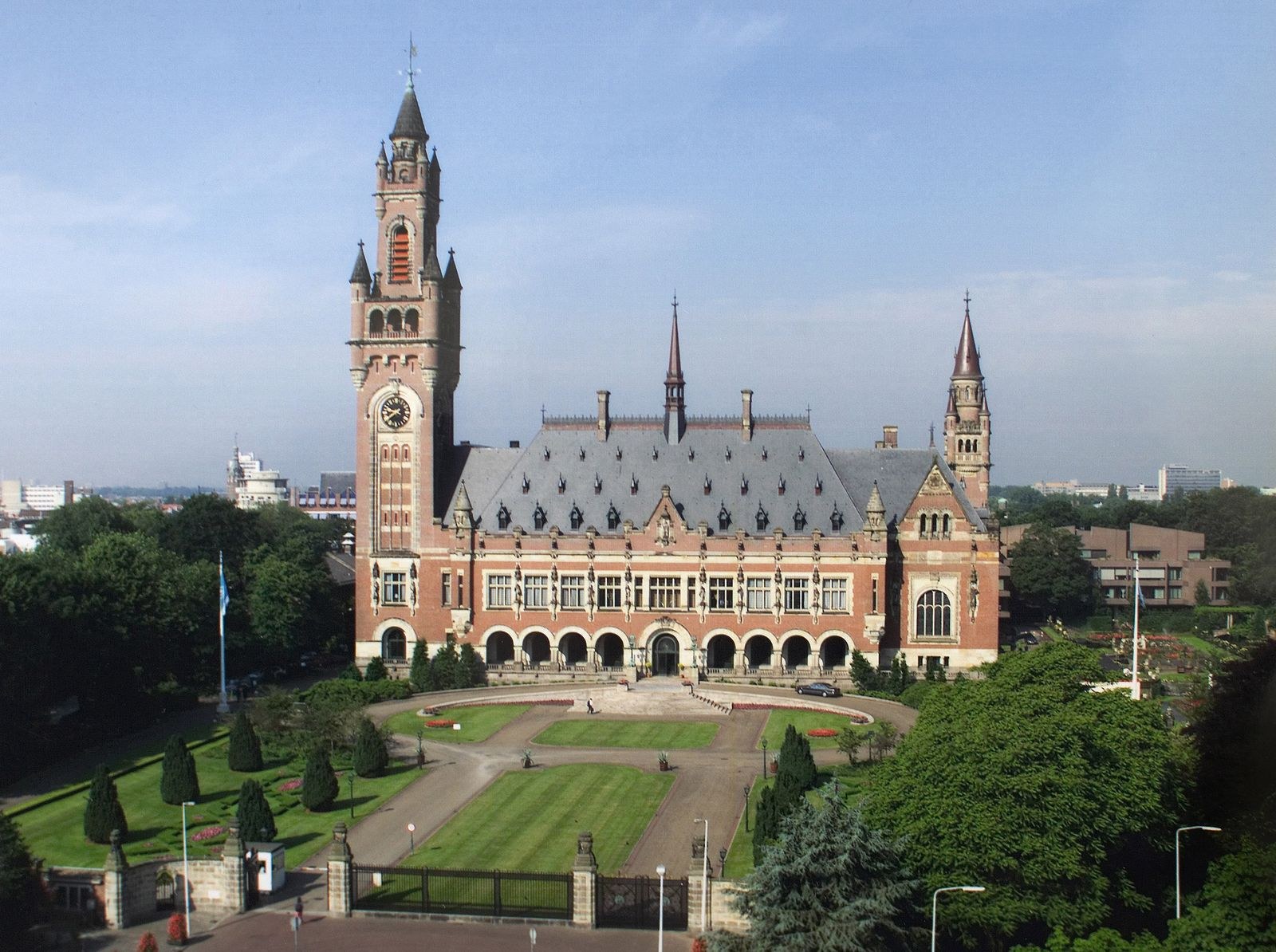
In brief
- 🏛️ The ICJ in The Hague ruled 9-6 on November 19 that Myanmar committed genocide against the Rohingya in northern Rakhine in 2017.
- It is the first time the court has held a state responsible for genocide; the ruling is final.
- Myanmar must enable return, restitution and compensation; the court has little power to enforce it.
The International Court of Justice (ICJ) ruled in The Hague on November 19 that Myanmar committed genocide against the Muslim Rohingya minority in its 2017 military crackdown. The decision was 9 to 6. It is the first time the court has held a state responsible for genocide. According to the findings, Myanmar's security forces killed at least 10,000 Rohingya, carried out widespread sexual violence and attacked people as they fled; more than 730,000 escaped to Bangladesh. The court also found Myanmar violated its obligation to prevent genocide. It orders reparations and compensation, the amount to be set later. The ruling is final, and the ICJ has limited means to enforce it.
The case was brought in 2019 by the predominantly Muslim state of Gambia under the 1948 Genocide Convention. ICJ President Yuji Iwasawa read the verdict over three hours. The court found that Myanmar's security forces killed thousands of civilians, carried out mass executions of men and boys, raped women, burned or razed hundreds of villages and attacked people fleeing. The military also spread hate speech against the Rohingya. From these acts, the court said, "the only reasonable inference" is an intention to destroy a "substantial part" of the Rohingya in northern Rakhine. Proving exactly that intent is considered the highest hurdle in genocide cases.
📜 The ruling spells out several consequences. Myanmar must allow the safe and voluntary return of displaced people, facilitate family reunification, return or replace collective property that was damaged, help search for the disappeared and ensure proper burials, provide physical and psychological rehabilitation and protect the population from persecution. The court also requires a guarantee of non-repetition. It will decide the amount of compensation later. Myanmar's government did not immediately respond; it has portrayed the operation as a response to attacks on police posts by the ARSA militant group and has always denied genocide.
Historically, the ruling is a watershed. According to reports, it is only the fourth time since the Holocaust that an international court has ruled that genocide occurred, after Rwanda in 1994, Srebrenica in 1995 and the Khmer Rouge in Cambodia. For the ICJ it is the first finding of state responsibility for genocide. The ICJ settles disputes between states and is distinct from the International Criminal Court, which prosecutes individuals. Its rulings are binding, but it has few means to enforce them. The decision will also be studied closely for South Africa's 2023 case against Israel over the war in Gaza; Israel and Myanmar both deny genocide.
💬 Gambia called it "a historic day" and urged Myanmar to comply "fully and without delay." UK Foreign Secretary Ed Miliband said, according to Al Jazeera, that Britain would expel Myanmar's defense attaché and called for an urgent UN Security Council session. Activist Wai Wai Nu said the court had shattered a "state-sponsored lie." Yanghee Lee of the Special Advisory Council for Myanmar called it a "deeply emotional day": justice has been decided but not yet delivered. Amnesty International hopes it marks the start of a long overdue process of accountability. According to the UN, more than 1.3 million Rohingya remain displaced, 1.2 million of them in the camps of Cox's Bazar in Bangladesh.