🏚️ Panama quake: insurers report about 6,500 damage claims
In brief
- 📋 Insurers say about 6,500 claims from the 9 October earthquake have been filed so far.
- 💵 The industry has set aside 110 million dollars in reserves.
- 📍 Panama City accounts for half the reports, and 70 percent concern buildings.
- ⚠️ An industry representative warns about deductibles and sums insured that are too low.
🏚️ Seven weeks after the strong earthquake that hit Panama on 9 October, the country's insurers have recorded about 6,500 damage claims. Ian Van Hoorde of the Panamanian Association of Insurers told broadcaster TVN that the industry has built reserves of 110 million dollars for them, and said it can absorb this event and even larger ones. 💵 These are interim figures, and they differ by source: the insurance regulator had already reported 6,865 claims and 126.16 million dollars in reserves as of 6 November. Policyholders should know two things, according to Van Hoorde: there is a two percent deductible, and a sum insured set years ago may no longer cover today's cost of rebuilding.
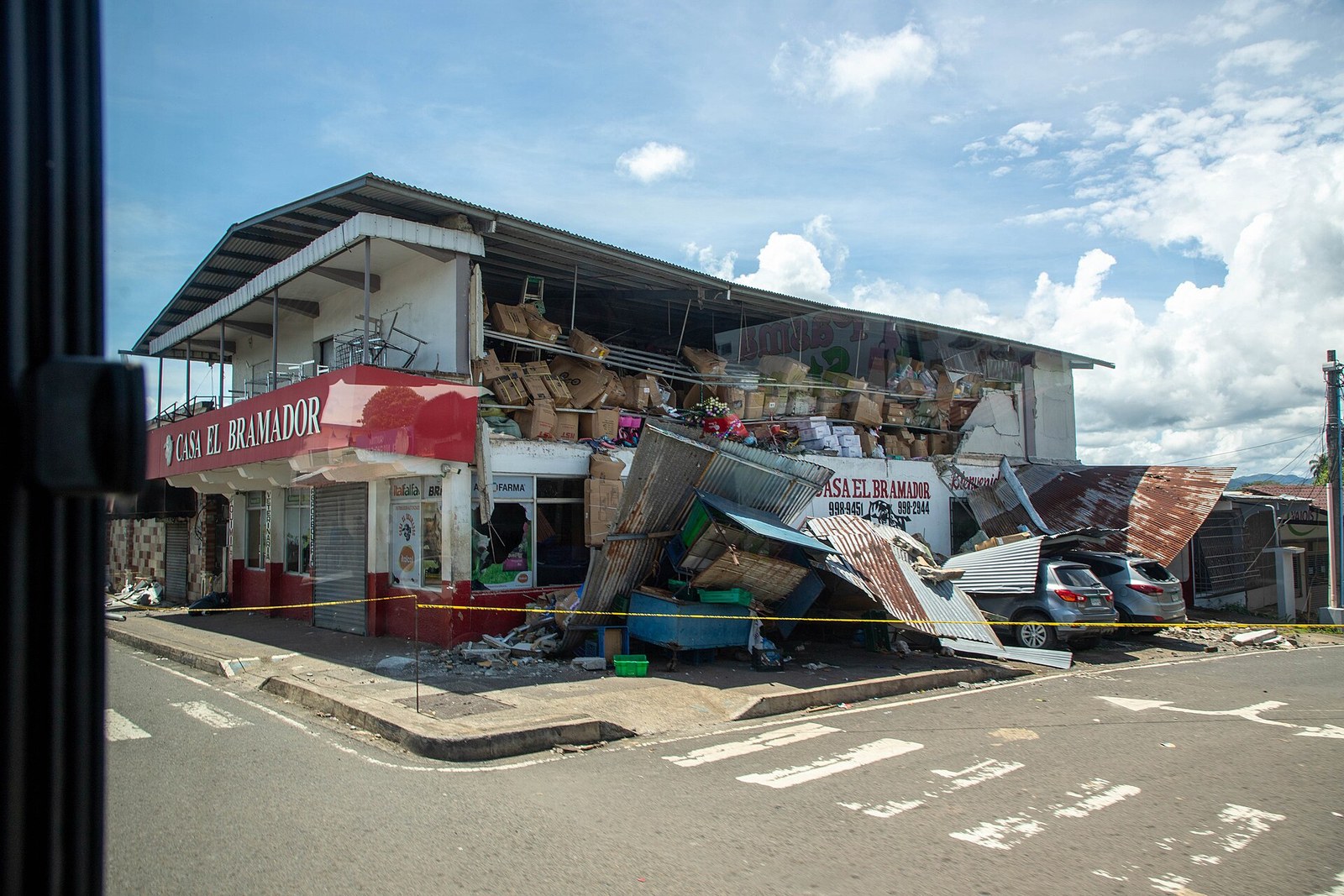
📍 **Where the damage is.** Panama City concentrates half of all reports, according to Van Hoorde. Los Santos and Coclé provinces each account for more than 800, and Veraguas for around 400. By type, 70 percent concern buildings, 29 percent contents and one percent vehicles, roughly 65 cars.
🔢 **Two counts.** Panama's Superintendency of Insurance and Reinsurance published preliminary statistics on 9 November with a cut-off of 6 November: 6,865 claims at 17 companies. The other five of the 22 insurers operating in the country do not sell the lines mainly affected. Fire and multi-peril cover made up 98.65 percent of cases, yet that was only 1.85 percent of all such policies in the country. The association itself had given 6,453 claims and 108.7 million dollars for its 19 members as of 31 October and called the numbers preliminary. TVN's report does not explain why the figures now cited are lower than the regulator's. The regulator also stressed that its statistics do not show all the damage caused by the quake, only insured risks.
🌐 **Who carries the bill.** Companies pass part of the risk to reinsurers while keeping a share themselves. Van Hoorde put it this way: reinsurers essentially provide the money, and the primary insurers do the assessing and handling. The reinsurers involved are registered with the regulator, he said. Fire policies almost always, in his words 99 percent of the time, include a catastrophe extension, so most insured owners are protected against earthquakes.
🔍 **A queue for inspections.** To work through the volume, insurers coordinated with brokers and independent adjusters. They even suggested hiring fourth-year engineering or architecture students to help inspect properties.
⚠️ **What owners should check.** The deductible is two percent of the sum insured or of the rebuilding value, Van Hoorde explained. He warned of underinsurance: a home financed or insured at 100,000 dollars five years ago could cost 150,000 dollars to rebuild now. He advised updating sums with price indices for materials and labour. Policies tied to mortgages also cover only the structure. Furniture and damage such as fallen ceilings or lamps can be insured through additional multi-peril policies.
📏 TVN gives the quake's magnitude as 7.5; a US Army photo description speaks of 7.7.