🌾 India's rice harvest shrinks for the first time in a decade, and traders fear export curbs
In brief
- 🌾 India, the world's largest rice exporter, is heading for its first smaller harvest in ten years because of El Niño and a weak monsoon.
- 💸 Indian rice prices in October were 12 percent above a year earlier; premium varieties in the south cost almost twice as much.
- 🌍 Traders are waiting for possible export curbs like those of 2022, which hit buyers in Africa hardest.
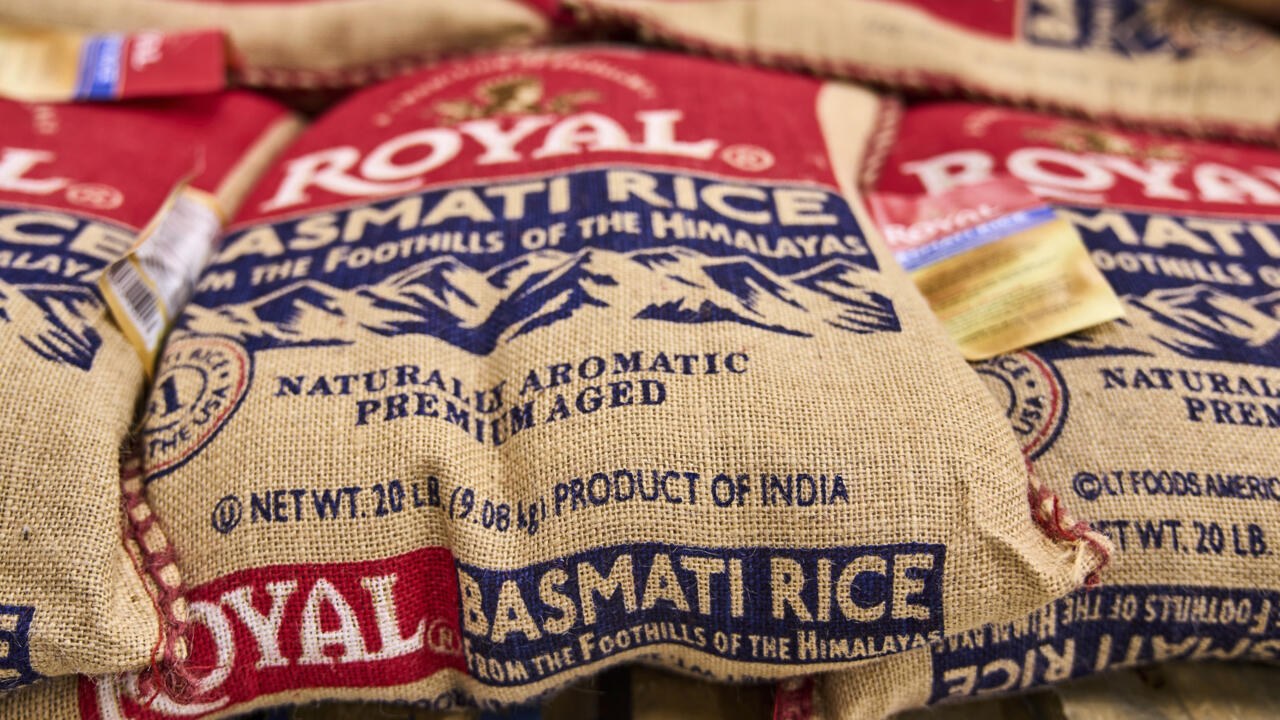
🌾 India, which supplies about 40 percent of the rice on the world market, is set to harvest less rice in 2026 for the first time in ten years. The reason is the El Niño weather pattern: the monsoon brought about 15 percent less rain than normal, Business Today reports, citing Reuters. The rice exporters' association expects about 10 million tonnes less than the record 154 million tonnes of last year. 💸 Prices are already reacting. In October Indian rice prices were on average 12 percent higher than a year earlier, the broadcaster RFI reports; premium varieties from the south of the country cost almost twice as much. 🌍 Uncertainty on the world market is growing as a result. India could restrict exports to bring domestic prices down, as it did in 2022. Exporters and traders are waiting, and business has slowed. Prices are also rising in Pakistan and Thailand.
🍚 **Where prices rise most.** The 12 percent average hides large differences. According to RFI, the premium varieties eaten mainly in the southern states have risen most. Broken rice is getting dearer too: it traditionally goes to the food industry, but animal-feed makers are buying more because maize has become too expensive, and ethanol producers use it as a substitute for sugar, whose use in biofuels is strictly regulated.
📦 **Full stores that do not help.** The paradox is that India holds large public rice stocks. RFI puts them at more than 55 million tonnes on 1 October, four times what the government recommends; according to Reuters figures cited by Business Today, they stood at 59.6 million tonnes including unmilled paddy at the start of September. But the stores hold mainly ordinary white rice, not the premium varieties of the regions where the harvest has slumped. The stocks do not match the eating habits of some states and so could not stop prices rising there.
🌦️ **The weakest monsoon since 2009.** From June to September the country received 15 percent less rain than the long-term average, and up to 42 percent less in some major growing states. The area under summer-sown rice, which makes up more than 80 percent of the harvest, was almost 4 percent lower than a year earlier in mid-September. A fall of about 6.5 percent would be the largest since 2009/10, when an El Niño drought hit the crop.
⚖️ **Export or feed the country.** Whether India curbs exports is open. A dealer told Reuters in September that the large stocks would allow exports without restrictions. A rice broker quoted by RFI, by contrast, stresses that the authorities' first goal is not exports, which private firms handle, but enough affordable rice for their own population. The 2022 export restrictions lowered domestic prices but cut off buyers, above all in Africa, from a crucial source of supply. Until a decision comes, traders are holding back: for fear of selling too cheaply while the market rises, or of not being able to deliver the rice they sold.