🤝 China and Canada widen tariff relief after Carney-Xi meeting
In brief
- 📅 At the APEC summit in Shenzhen on November 17, Xi Jinping and Mark Carney agreed new tariff relief.
- 🦐 China eases tariffs on about C$400 million of Canadian exports, including frozen pork and seafood.
- 🏗️ Canada extends exemptions for Chinese steel and aluminium products by two years.
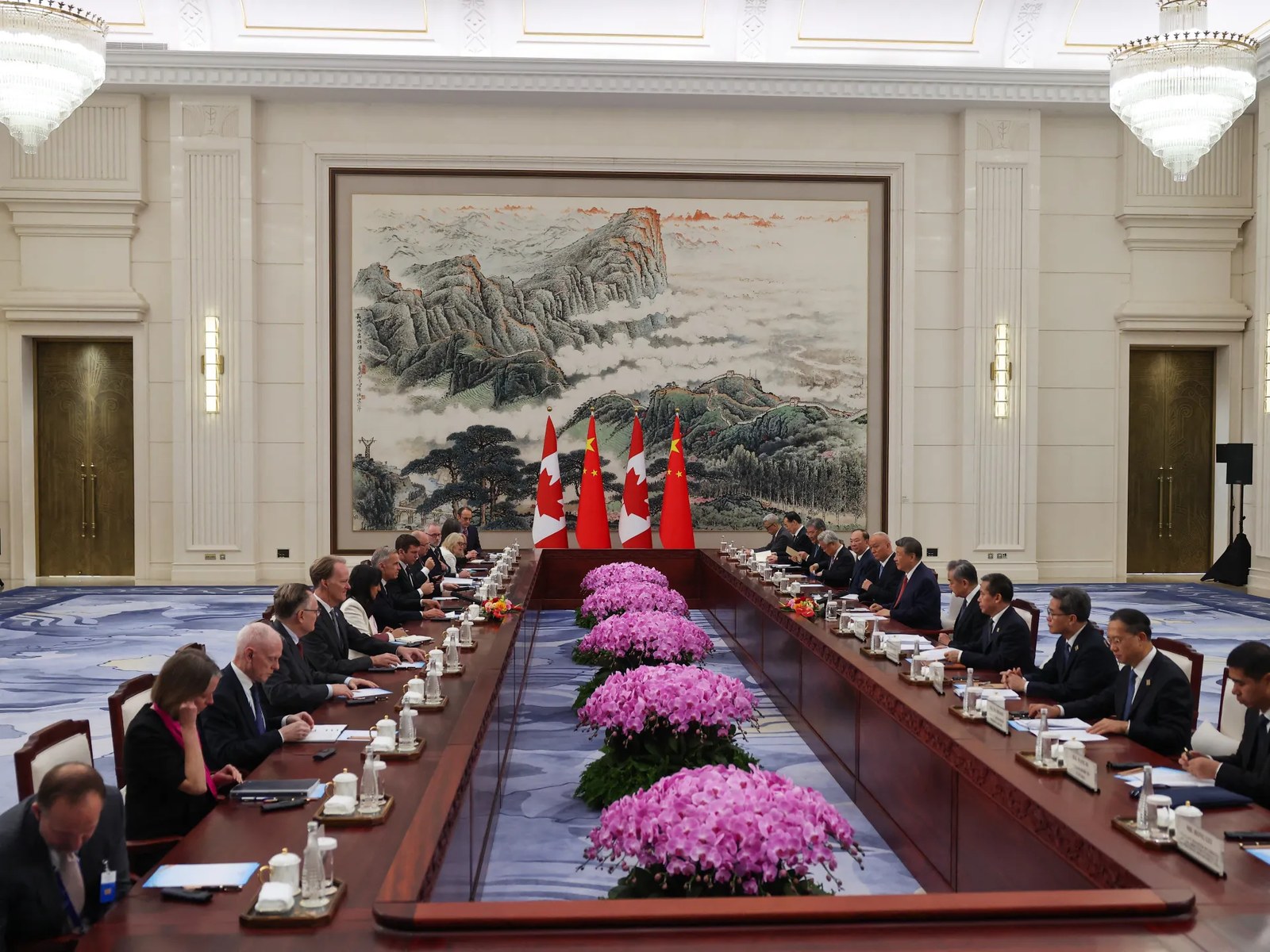
📦 Canada and China agreed further tariff relief on November 17, 2026, on the sidelines of the APEC summit in Shenzhen. Prime Minister Mark Carney and President Xi Jinping built on an agreement from January. China will cut tariffs on Canadian goods worth about C$400 million (roughly $280 million), including frozen pork and seafood. In exchange Canada keeps exemptions for certain Chinese steel and aluminium products for another two years and adds 32 more steel and aluminium items that it does not have enough of. Carney wants to reduce his country's dependence on the US, whose tariffs hit Canadian industries. Xi called closer ties "the right choice". A day earlier Carney had said Canada could turn to Chinese automakers if talks with Washington fail, which drew sharp criticism from the White House.
The meeting took place on Tuesday, November 17, on the sidelines of the Asia-Pacific Economic Cooperation (APEC) summit in Shenzhen. According to a statement from Carney's office, China will remit tariffs on Canadian exports worth about C$400 million, including frozen pork and seafood. In return Canada extends tariff exemptions for certain Chinese steel and aluminium products by two years and adds remissions for another 32 steel and aluminium items that are in short supply in Canada. Xi said stronger ties served both countries and global stability: "This is the right choice."
The new steps build on an agreement from January in which the two countries set out to open trade and repair a strained relationship. At that time Canada lowered its 100 percent tariff on Chinese electric vehicles to 6.1 percent and allowed an initial 49,000 vehicles a year; the cap is set to rise to 70,000 over five years. China lowered tariffs on Canadian agricultural products in return and recently extended relief for canola meal, peas, lobster and crab for another two years. Carney praised the greater predictability of the relationship and said Canada is ahead of schedule on its goal of raising exports to China by 50 percent by the end of the decade.
The backdrop is delicate: on Monday in Cambodia Carney said Canada could turn to Chinese automakers if talks with Washington fail to hold together the closely integrated North American auto industry. "We have the best auto workers in the world," he said; the market has become less integrated because of US trade actions. White House trade adviser Peter Navarro called this "offensive in the extreme" and asked whether Carney was threatening to play China off the US; Carney should worry more that China would "eat Canada alive", he said.
Trade talks between Ottawa and Washington broke down in August. Carney said on Saturday that he had spoken with President Donald Trump and senior officials and that, while differences remain, there is progress towards a possible deal. On Tuesday Carney also met Mexican President Claudia Sheinbaum, and both countries reaffirmed their commitment to renew the agreement between Canada, the United States and Mexico. Trump's tariffs hit Canadian industries including auto manufacturing, steel and aluminium, and Carney has made looking to markets beyond the US a central part of his economic strategy.