Ukraine says two grain ships were attacked near Odesa
In brief
- Ukraine's prime minister said two foreign cargo ships were attacked near Odesa overnight.
- The ships were carrying more than 100,000 tonnes of grain, he said.
- Ukraine's grain exports this season total 7.6 million tonnes, down from 11.5 million at the same point last year.
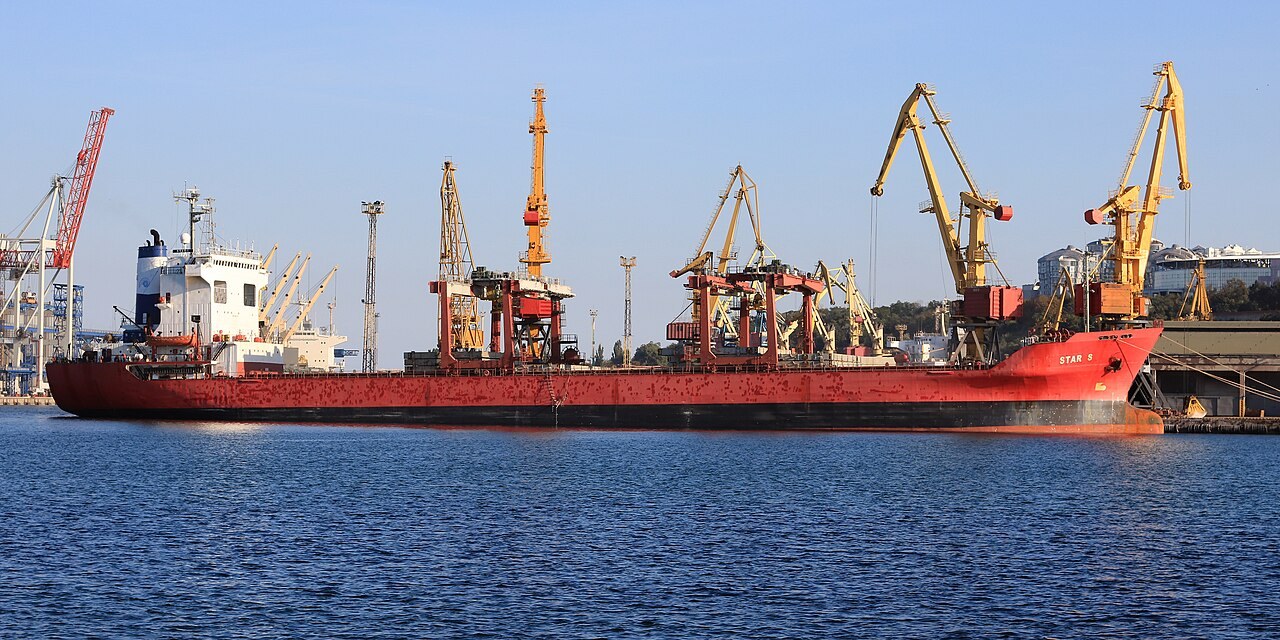
Ukrainian Prime Minister Sergiy Koretskyi said Russian forces attacked two foreign cargo ships carrying more than 100,000 tonnes of grain near Odesa overnight on November 25–26. Reuters and Todo Noticias reported his account. The reports reviewed do not identify the vessels or their flags, quantify damage or give their precise position. Koretskyi did not say where the grain came from or where the ships had loaded it. No independent confirmation of this specific attack appeared in the reports reviewed. On November 11, G7 foreign ministers condemned attacks on civilian shipping in the Black Sea and called for a reciprocal halt to attacks there. The incident adds pressure to a Black Sea export route already disrupted by Russian attacks. Reuters reported that grain shipments from the Odesa hub had all but stopped since late July, with exporters relying more on Danube ports and rail. Ukraine's official grain-export total for the 2026/27 July–June season was 7.6 million tonnes, down from 11.5 million at the same point a year earlier. That national total does not isolate Odesa or show losses caused by this incident.
The report rests on a statement by Ukrainian Prime Minister Sergiy Koretskyi. He said Russian forces attacked two foreign civilian ships near Odesa overnight on November 25–26. The vessels were carrying more than 100,000 tonnes of grain, he said. Reuters reported the statement on November 26, and Todo Noticias carried the Reuters account. The reports reviewed do not name the ships, their flags or their operators. They give no confirmed account of damage, casualties or the precise location. Reuters said Koretskyi did not specify where the grain originated or where the vessels had loaded it. The attribution is therefore Ukraine's account; the reports reviewed did not independently confirm this specific attack. Russia says it does not attack civilian targets, but Reuters did not report a Russian statement about this particular incident. On November 11, G7 foreign ministers had called for a reciprocal halt to attacks in the Black Sea and highlighted the risks to global food security. The latest report describes a new incident on that route; it does not establish whether the G7 call changed the security situation.
The Odesa region is a major route for Ukraine's Black Sea trade. Before the recent escalation, the three ports in the Odesa hub handled about 90 per cent of the country's agricultural and metallurgical exports, Reuters reported. Grain shipments from those ports had all but stopped since late July after Russia sharply intensified attacks on terminals and merchant vessels. Shipping risks and higher insurance costs have also discouraged operators and traders. Ukraine says it is redirecting agricultural exports through Danube River ports and by rail across land borders with eastern European countries.
That traffic has not ceased altogether. Ukraine's state railway continued moving grain towards the Black Sea ports. Consultancy APK-Inform reported that 429 grain wagons were dispatched towards Odesa between November 12 and 18, four times the level recorded a week earlier. Official figures put Ukraine's grain exports so far in the July–June 2026/27 season at 7.6 million tonnes, compared with 11.5 million during the same period a year earlier. Those national totals cover different routes and do not show how much any one attack or port contributed to the change.
The reported attacks underline that civilian shipping in the Black Sea remains exposed to the war. The available information does not establish whether either ship was damaged or what effect the incident will have on export volumes or world prices. The reports reviewed do not document an immediate food shortage or a specific price reaction.
