🛂 Estonia-Russia border: rush to cross before the 1 December closure
In brief
- Families and travellers are rushing across before all five road crossings to Russia close on 1 December.
- The closure runs for six months at first; it follows an attempted arson attack that Estonia's security service blames on Russian military intelligence.
- Narva's mayor is asking for exemptions for urgent family matters.
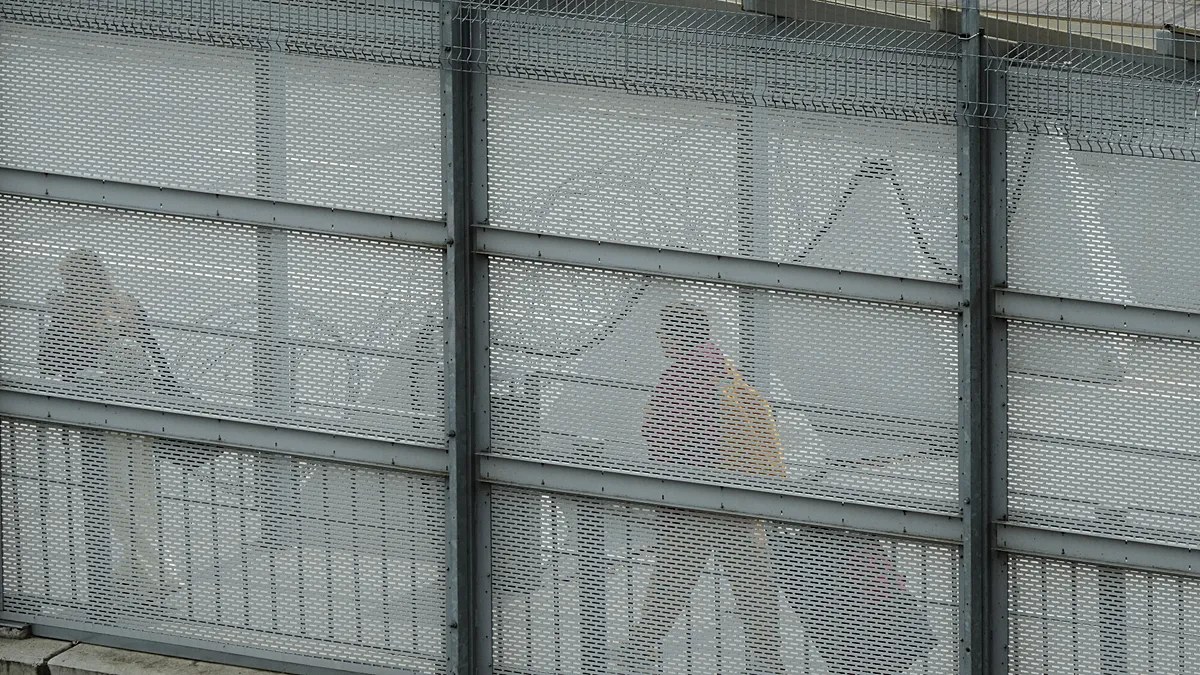
In the Russian border town of Ivangorod, people with suitcases and bags are gathering to get into Estonia before 1 December. On that day Estonia closes all five road crossings with Russia, initially for six months. The trigger was an attempted arson attack on 14 November on the drone maker Threod Systems in Viimsi near Tallinn, which Estonia's internal security service attributes to Russia's military intelligence agency, the GRU. Moscow rejects the claim. Families with relatives on both sides of the border are hit hardest.
**The border region.** Narva, an Estonian town of more than 50,000 people, lies directly across the River Narva from Ivangorod. The two towns share family, social and economic ties. Russia suspended vehicle traffic through the Narva crossing in February 2024, but pedestrians kept crossing. People travelling from other European countries to St Petersburg also used it.
**Which crossings are affected.** The closure covers Narva-1, Narva-2, Koidula, Luhamaa and Saatse. Rail freight continues under existing restrictions and customs checks. Travellers must detour through neighbouring countries, mainly Latvia, which will be longer and more expensive; without a car, flying may be the only practical option.
**Numbers.** According to Estonian public broadcaster ERR, annual crossings fell from more than four million before 2022 to about 760,000 in 2026, roughly 447,000 of them at Narva-Ivangorod (figures cited by AFP). Reuters reported that Russian nationals made 307,000 of this year's crossings, Estonian citizens 175,000 and Finnish passport holders 54,000.
**Reasons and reactions.** After the attempted attack investigators detained eight Latvian citizens suspected of having been recruited; the company's own security staff intervened before major damage was done. The government calls the case part of a wider pattern of sabotage and hostile activity and says the closure will make it harder for Russian services to recruit and influence people crossing, and to evade sanctions. Kremlin spokesman Dmitry Peskov called the allegations unfounded; Foreign Ministry spokeswoman Maria Zakharova accused Estonia of infringing the rights of Russian citizens, threatened political and diplomatic countermeasures and compared the closure to a new Iron Curtain. Narva Mayor Jaan Toots asked the government for humanitarian exemptions, for example for visits to elderly relatives or funerals, and warned of losses for hotels, restaurants and workers such as border guards and customs officers. The government will reassess the measure after six months.