🌍 Afghans on the Balkan route: 209 days on the road and €7,541 spent on average
In brief
- 🧾 The UN migration agency IOM interviewed 1,045 Afghan migrants in the Western Balkans.
- ⏱️ Their journeys averaged 209 days.
- 💶 They paid €7,541 on average, more than other nationalities; over a fifth spent more than €10,000.
- 📉 Up to 37% still carry debts from the trip.
- 📍 Top destinations: Italy, Germany and France.
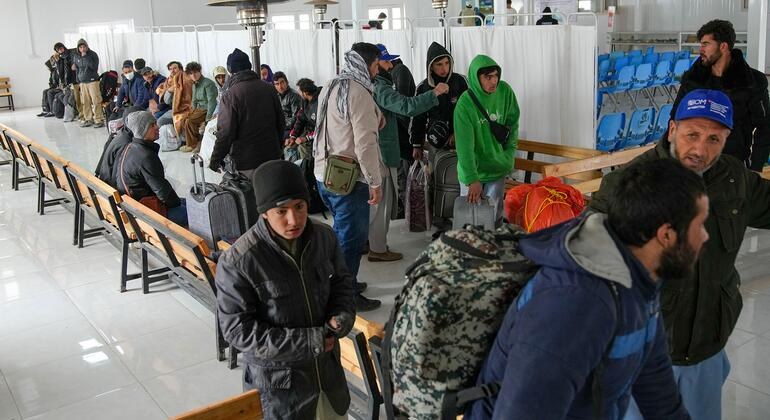
🌍 Afghan migrants trying to reach Europe through the Western Balkans spend a long time on the road and pay heavily for it. That is the finding of the UN's International Organization for Migration (IOM), which interviewed 1,045 people in Albania, Bosnia and Herzegovina, Montenegro, North Macedonia, Serbia and Kosovo. ⏱️ Journeys averaged 209 days and cost €7,541 on average, more than for other nationalities. 💶 More than a fifth spent over €10,000, and up to 37% still carry debts taken on to pay for the trip. Overall, fewer Afghans are being recorded on the main routes to Europe. Those who keep going, the agency warns, face serious financial hardship and uncertainty.
🗺️ A crossing that should take only a few days can now stretch to as long as seven months, according to the report released on Wednesday. UN News, the United Nations' news service, links this to debt: travellers have to put thousands of euros into the journey. Half of those interviewed had been on the road for more than six and a half months. The report does not say when exactly the interviews took place.
📊 For context it adds official figures: between January and August this year, authorities in the Western Balkans registered 3,941 Afghans. That was **17%** of everyone using the route. Since 2020 the group has made up 21% of entries on average, so its current share is below that level.
🎯 Asked where in Europe they want to go, respondents most often named:
- Italy: 37%
- Germany: 22%
- France: 20%
👪 When it comes to the plan to travel on, the report names family ties as the main motive. More than two thirds said they do not intend to return to their country of origin.
🇦🇫 The agency places the survey in a wider setting. UN News describes migrants trying to escape the rule of the Taliban, the country's de facto authorities. Recent IOM monitoring data also show that a lack of livelihoods and jobs weighs heavily in the decision to leave Afghanistan.
🧭 Mihyung Park, who heads the IOM office in Afghanistan, argues for a broader view: Afghan mobility today is complex and runs in several directions. Many families are trying to rebuild their lives at home. Others stay in neighbouring countries or move further, pushed by economic pressure and the effects of climate change.
🏘️ The survey comes at a time of heavy movement in the region. This year 1.4 million Afghans have returned from Iran and Pakistan. That adds pressure on local communities that are already struggling with the economic crisis and the demands of winter.
🔎 According to the IOM, governments and humanitarian partners need reliable data to understand who is on the move, why, and what help is required in countries of origin, transit and destination. The figures come from interviews with people along the route; the survey itself says nothing about Afghans who stay at home or in neighbouring states.