🥩 Brazil accuses Macron of disinformation after he called Brazilian meat “doped”
In brief
- 🇧🇷 Brazil's foreign and agriculture ministries accuse Emmanuel Macron of spreading disinformation about Brazilian meat.
- 🗣️ Macron called the meat “doped” in front of French farm unions at the Élysée, referring to the use of antibiotics in livestock.
- ⚖️ Brasília calls the EU import restrictions political and at odds with WTO rules, and reserves the right to respond.
- 🥩 Exporters' associations ABPA and Abiec call the remarks baseless.
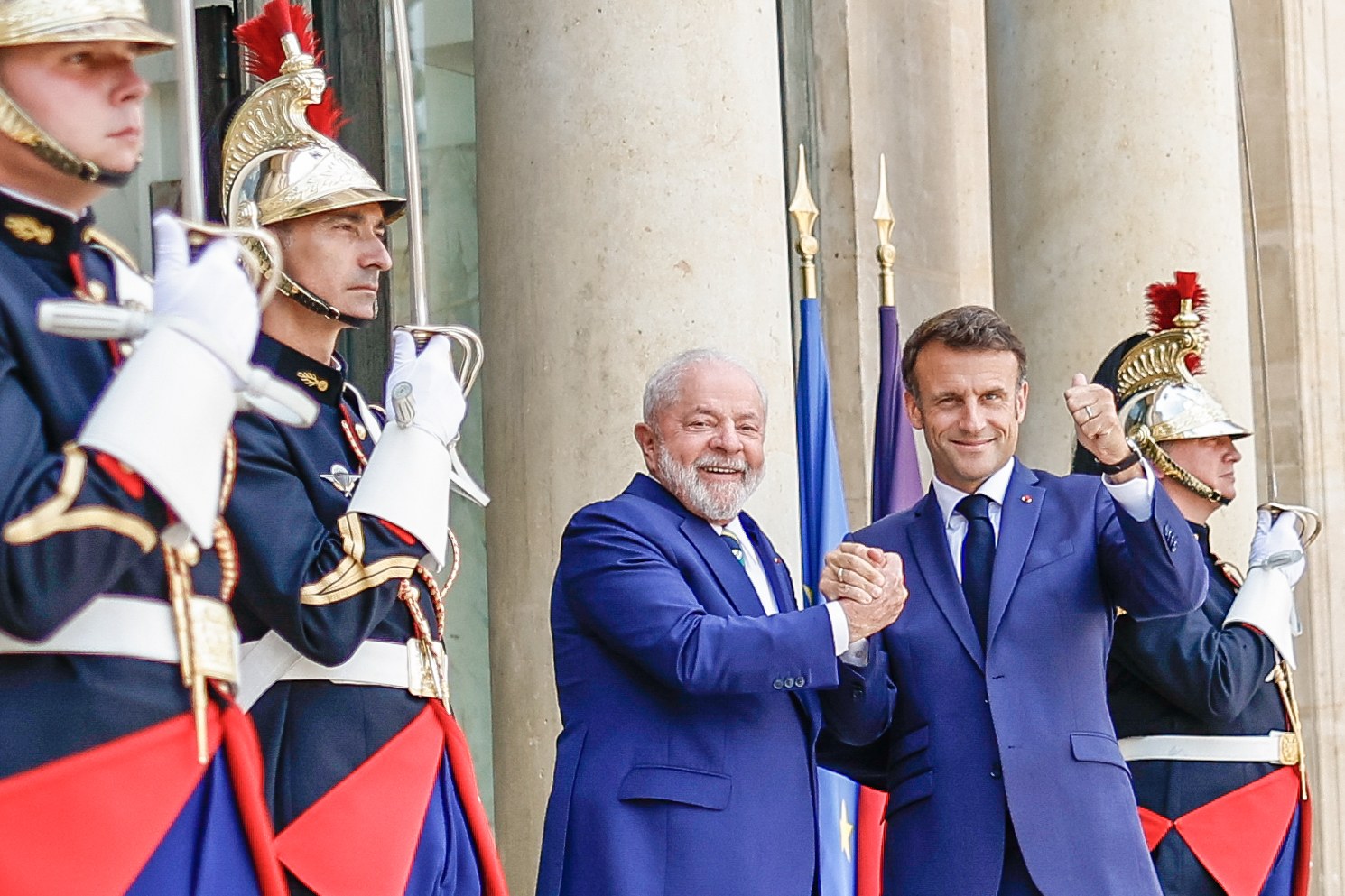
🇧🇷 Brazil's government accused French President Emmanuel Macron on Thursday of spreading disinformation about the country's meat production. On Wednesday, at a meeting with French farm organisations at the Élysée Palace, Macron said meat from Brazil was “doped” and welcomed the European Union's restrictions on imports of Brazilian animal products. According to the state news agency Agência Brasil, he was referring to the use of antimicrobials, mainly antibiotics, in livestock farming. ⚖️ In a joint statement, the foreign ministry and the agriculture ministry in Brasília said Macron's words contradict the technical and scientific evidence. They called the EU's health restrictions political and warned that using them for protectionist ends breaks World Trade Organization rules and the spirit of the trade agreement between the EU and Mercosur. The government of President Luiz Inácio Lula da Silva urged France to reconsider its position and said it reserves the right to use the instruments at its disposal to defend its exporters. The industry associations ABPA and Abiec also rejected Macron's remarks sharply. 🌍 The row adds strain to the already contested EU-Mercosur agreement.
📄 **What else the statement says.** Brazil points out that it has supplied the EU with animal protein for decades and today exports meat to 177 markets. The ministries highlight a recent EU audit that came out in Brazil's favour for poultry and honey. They add that Brazilian farming meets environmental rules that are often stricter than Europe's: depending on the region, farmers are legally required to preserve native vegetation on up to 80 percent of their land, and the country's electricity comes mostly from renewable sources. At the same time the government stresses its strategic partnership with France; relations between the two countries, it says, must rest on mutual respect and reciprocity, not protectionist pressure.
🧪 **The core of the dispute: antibiotics.** The EU has restricted imports of animal products from Brazil and Mercosur since September. According to the beef exporters' association Abiec, the restrictions stem from new rules on controlling antimicrobials throughout the animals' whole production cycle, not from any proven risk to consumers' health. The animal protein association ABPA called Macron's statements serious, unacceptable and without technical basis. It cites a European Commission report from September which concluded that Brazil's official controls can provide the guarantees the EU requires on antimicrobial use. Ignoring those findings, ABPA says, discredits the Commission's own work and misleads consumers.
💶 **What is at stake.** According to Abiec, only about five percent of Brazil's beef exports go to the EU. That supply complements European production and keeps food affordable for consumers, the association argues, so treating Brazil as a threat to European farmers is not justified. After more than two decades of negotiations, it says, the benefits of the agreement must not be one-sided.
🇫🇷 **Macron's audience.** Macron was speaking to French farm organisations that have fought the Mercosur agreement for years because they fear competition from cheaper South American meat. France is seen as the main opponent of the treaty in its current form within the EU. The statement does not say which “instruments” Brazil might use against the EU restrictions; its reference to WTO rules points to a trade complaint, a step Brasília has not announced so far. 🤝 There was no immediate response from Paris to the criticism.