⚖️ Bayer's Roundup settlement: Missouri court approves up to $7.25 billion for cancer claims
In brief
- 💰 A Missouri judge approved Bayer's Roundup settlement of up to $7.25bn, paid over up to 21 years.
- 🩺 It covers current claimants and future non-Hodgkin lymphoma diagnoses; average payouts $10,000 to $165,000.
- 🌿 Bayer denies Roundup causes cancer; some patients' lawyers call the sums too small.
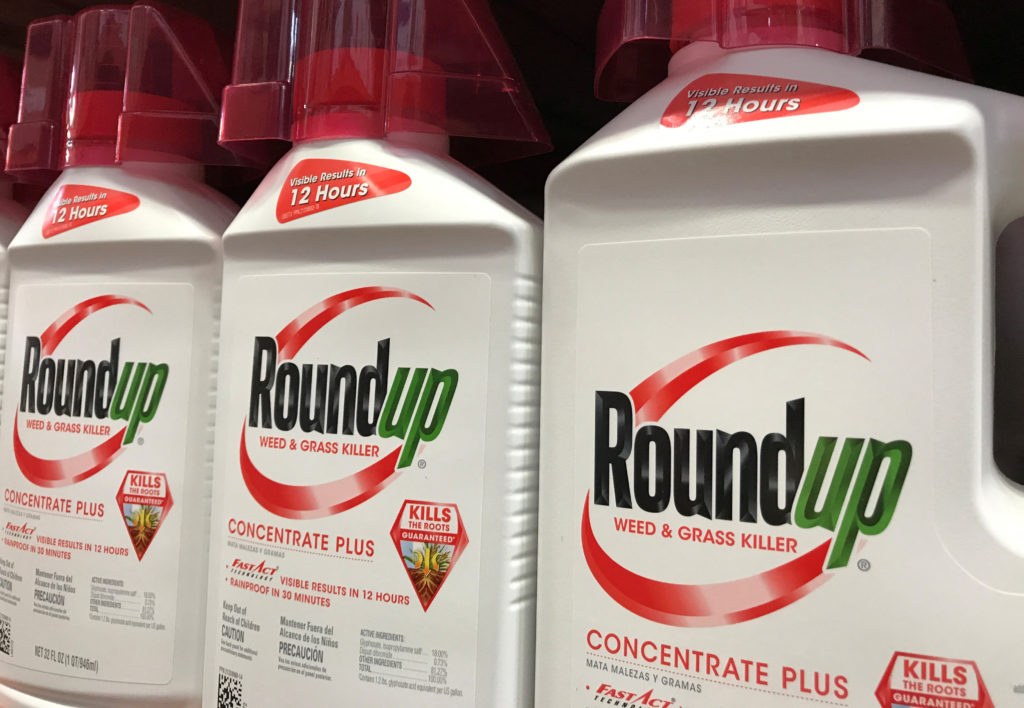
🏛️ A Missouri judge on Friday 20 November gave final approval to Bayer's settlement of US lawsuits claiming its weed killer Roundup causes cancer. Bayer will pay up to $7.25 billion over as long as 21 years into a fund for people who already have non-Hodgkin lymphoma and for those diagnosed in the coming years, provided they were exposed to Roundup before the settlement was proposed in February. Average payouts range from $10,000 to $165,000, depending on how the product was used, age at diagnosis and the severity of the illness. Judge Timothy Boyer of St. Louis called the deal “fair, reasonable and adequate”. Bayer, which denies that Roundup or its active ingredient glyphosate causes cancer, calls it a decisive step in limiting current and future litigation. Some lawyers for patients say the sums are too small.
📜 The settlement follows a decade of lawsuits. According to the Guardian, Bayer faced about 65,000 claims in US courts; AP counts about 200,000 claims in total, many from people who used Roundup on home lawns and gardens. Results before juries were mixed: only a couple of dozen cases got that far, some siding with Bayer and some with plaintiffs; a Georgia jury awarded $2.1 billion. In June the US Supreme Court strengthened Bayer's position. By 7 to 2 it overturned a $1.25 million award in the case of Missouri man John Durnell: the federal pesticide law, it held, bars state-law claims that a cancer warning was missing from the label. That removed a central pillar of many suits. In October a Missouri jury sided with Bayer in the first verdict since the ruling, in a case alleging design defects, negligence and fraud.
💶 The payouts are staggered. Bayer pays into a special fund every year for up to 21 years. Agricultural, industrial or turf workers with long exposure who developed an aggressive form of the disease before age 60 can receive an average of $165,000. Someone diagnosed at 78 or older gets much less, on average $10,000. Judge Boyer rejected objections that the sums were too low because earlier settling claimants were paid more. Further delay, he said, could force victims, including terminally ill ones, to wait “an indeterminate number of years”. He called the total among the largest in the history of mass tort personal-injury class settlements. Christopher Seeger, a lawyer for many plaintiffs, wants the money in victims' hands “as quickly as possible”; other attorneys say the amounts and terms are too restrictive, and others still that the deal beats nothing.
📅 For Bayer it is not the first attempt. The company had already set aside $16 billion for Roundup legal costs; the new settlement comes on top. In 2020 Bayer settled much of the litigation for $10.9 billion but failed to win approval of a $1.25 billion settlement for future claims. Since buying Monsanto for $63 billion in 2018, its share price has fallen 46 percent, according to the Guardian. The company had considered pulling the product from US agricultural markets and has already changed the formula for home users: new Roundup versions for lawns and gardens no longer contain glyphosate. Monsanto launched Roundup in 1974; it is used with genetically modified crops that tolerate it.
🔬 The science is disputed. The World Health Organization's cancer agency IARC classified glyphosate as “probably carcinogenic” in 2015, while the US Environmental Protection Agency judges cancer unlikely when it is used as directed. The settlement excludes some cases: about 200 lawsuits are still pending in federal court, where Bayer says the Supreme Court ruling gives it strong defences.