📉 French inflation eases to 2.9 percent in November as fuel gets cheaper
In brief
- 📉 Inflation in France fell to 2.9% in November from 3.4% in October, according to a first INSEE estimate.
- 🗓️ Prices dropped 0.7% from the previous month.
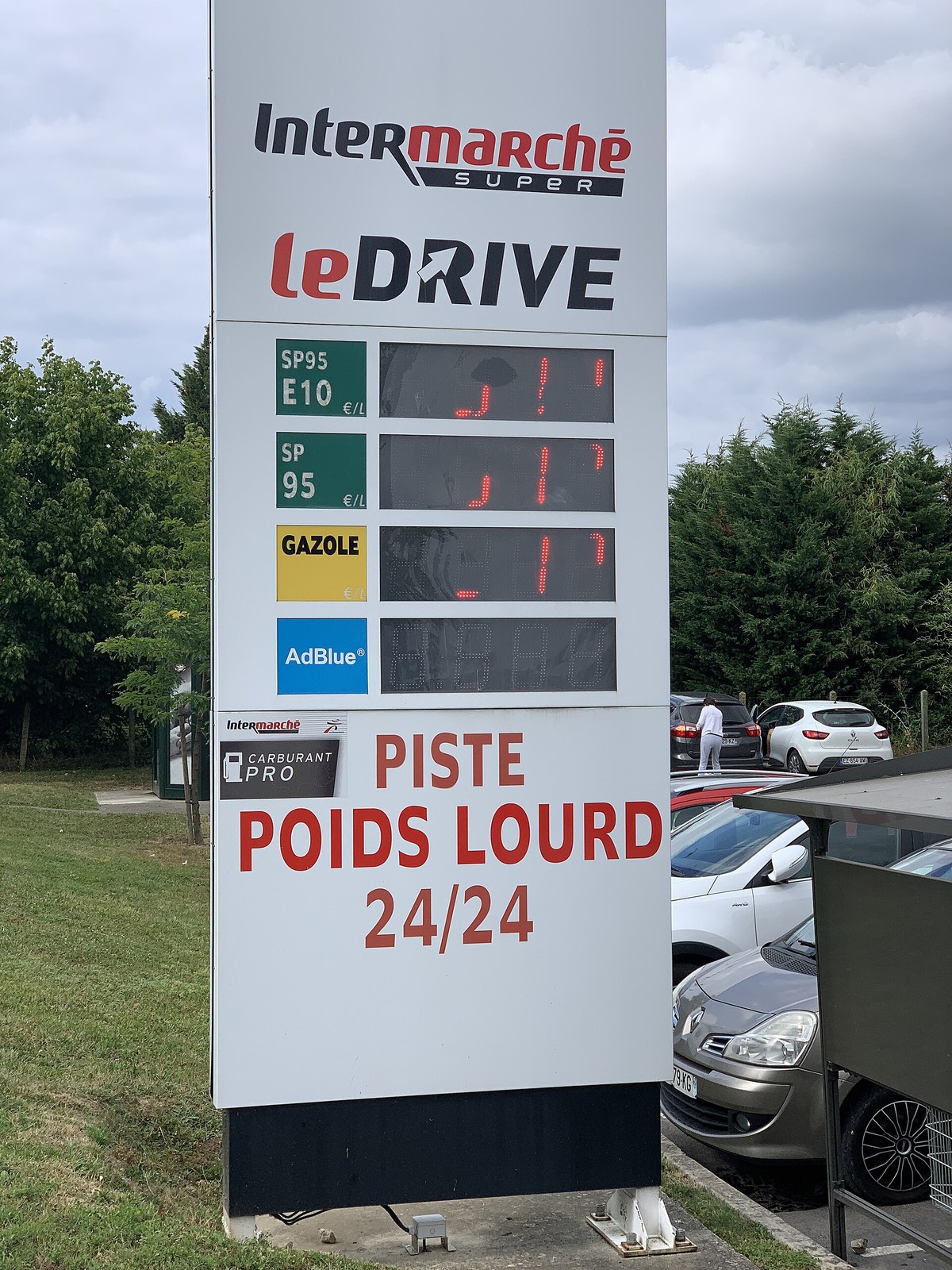
- ⛽ Energy is still 19.2% dearer than a year ago (October: 24.1%); petroleum products slowed, gas kept rising.
- 🥕 Food prices rose slightly faster, fresh produce by 9.4%.
- 📅 Final figures follow on 11 December.
📉 Price growth in France is easing: in November consumer prices were 2.9 percent higher than a year earlier, according to a first estimate by the statistics office INSEE. In October the rate had been 3.4 percent, the highest since January 2024 according to BFM Business. Compared with October, prices fell by 0.7 percent, after rising 0.4 percent the month before. ⛽ Energy is the main reason. It is still 19.2 percent more expensive than a year ago, but in October the figure was 24.1 percent. INSEE points above all to a marked fall in the prices of petroleum products, while gas became dearer again. Price growth also slowed for services (2.3 after 2.6 percent), tobacco and manufactured goods. Food, by contrast, rose a little faster, driven by fresh products. The relief follows a steep climb since the start of the year, when inflation stood at 0.3 percent. INSEE publishes the final November figures on 11 December.
🔍 **The figures in detail.** For services, INSEE attributes the slowdown mainly to a sharp cooling of prices for accommodation and transport, Euronews reports. Food was 1.3 percent above the previous year (October: 1.2 percent); fresh products rose by 9.4 percent, after 8.0 percent in October. How strongly oil had driven prices before is shown by INSEE's final October figures: petroleum products then cost 38.5 percent more than a year earlier, diesel even 46.7 percent. Core inflation, which leaves out volatile prices and state-regulated tariffs, stood at only 1.7 percent in October, and the harmonised index used for EU comparisons at 3.7 percent.
🌍 **Where the price surge came from.** Le Figaro attributes much of this year's rise to the Middle East conflict that Washington and Tel Aviv began against Tehran early in the year. The war disrupted oil and gas supplies, at a time when Russian deliveries had already dried up because of the war in Ukraine. France is not alone: Eurostat estimated euro area inflation at 4 percent in October, and in the United States it reached 3.8 percent according to the Commerce Department.
🛒 **What households are doing.** On the same Friday INSEE also published consumption data. Household spending on goods held steady in October after falls in August and September (September was revised down to minus 0.9 percent). Spending on energy fell 2.9 percent, mainly because people bought less fuel at high prices, according to INSEE. Consumption of manufactured goods rose 1.3 percent instead, carried by clothing and textiles, up 8.1 percent. Food spending barely moved (minus 0.1 percent).
📊 **A weak economy.** According to Euronews, INSEE also reported that French gross domestic product shrank by 0.2 percent in the third quarter. Salaried employment was stable over the quarter but lower than a year earlier for the fifth quarter in a row.
📅 **What comes next.** The November figure is a provisional estimate; the final results follow on 11 December. Whether the relief lasts depends above all on how oil and gas prices develop in the coming weeks.
Sources
- L'inflation ralentit à 2,9 % sur un an en novembre (BFM Business)
- France's inflation slows to 2.9% in November as energy prices fall (Euronews)
- En octobre 2026, les prix à la consommation augmentent de 3,4 % sur un an (INSEE)
- L'inflation a ralenti à 2,9% sur un an en novembre, annonce l'Insee (Le Figaro)