🌍 UN agencies warn hunger will worsen in 16 hotspots, with Sudan and Yemen most at risk
In brief
- 🌍 FAO and WFP expect hunger to worsen in 16 hotspots through May 2027, most of them in Africa.
- ⚠️ Sudan, South Sudan, Somalia, northern Nigeria and Yemen are of highest concern; famine remains possible in Sudan.
- 🌦️ The report says El Niño could push about 49 million more people into acute hunger by the end of 2027.
- 💸 Aid to the five most at-risk countries fell by nearly two thirds from 2022 to 2025.
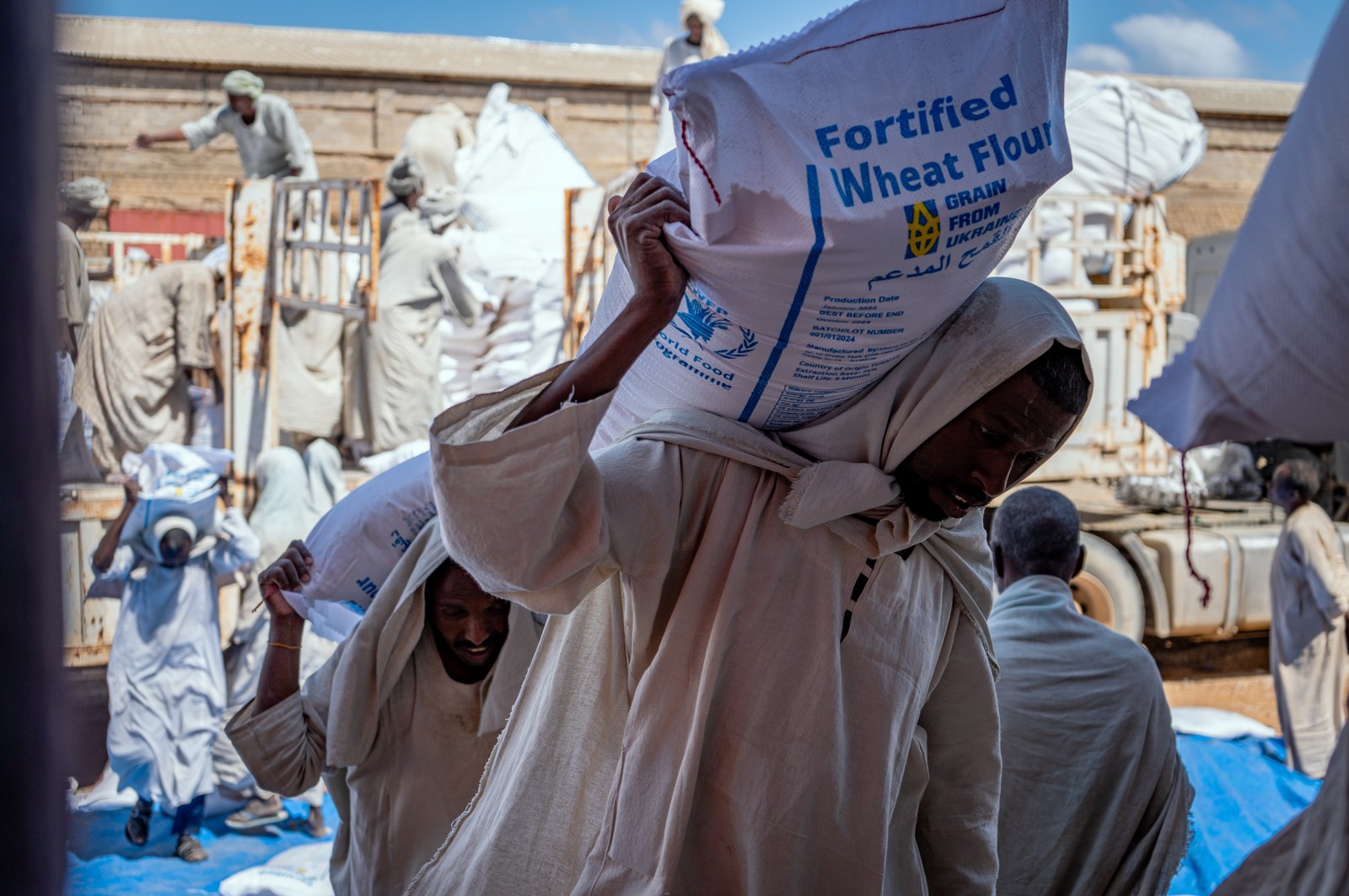
🌍 The two United Nations food agencies, the FAO and the World Food Programme (WFP), warn in a joint report published on Friday that hunger will deepen over the next six months in 16 hotspots, mostly in Africa. That is what the news agency AFP and several outlets drawing on it report. The report covers December 2026 to May 2027. ⚠️ The agencies name Sudan, South Sudan, Somalia, northern Nigeria and Yemen as the areas of highest concern. In parts of Sudan, including North Darfur, and in South Sudan they still consider famine "plausible". Armed conflict and violence are the main cause. 🌦️ The climate adds to it: according to the report's estimates, a particularly strong El Niño could push about 49 million more people into acute food insecurity by the end of 2027. At the same time, humanitarian aid to the five most at-risk countries fell by nearly two thirds between 2022 and 2025, which the agencies say weakens their ability to hold on to earlier progress.
📊 **Who else is on the list.** Besides the five hotspots of highest concern, FAO and WFP rate Afghanistan, the Democratic Republic of the Congo, the Palestinian territories and Haiti as of "very high concern". In Haiti, the report says, gang violence has driven about 1.5 million people from their homes and disrupted aid; Congo is also facing an Ebola epidemic. New on the list, according to AFP's Spanish-language version, are Chad, Uganda, Southern Africa and the Central American Dry Corridor, a strip of tropical dry forest from Guatemala to Costa Rica. Mali, Myanmar and Madagascar are named as well.
📈 **More violence, more displacement.** The report counts about 15 percent more political violence events worldwide than in the same period last year. That has led to "alarming" displacement in recent months, above all in South Sudan and Yemen. The agency reports differ slightly on where famine remains possible: the French version names parts of Sudan and South Sudan, the Spanish one adds Somalia. The report itself was not yet available online at the time of writing.
💸 **The money is missing.** In the five highest-risk countries, humanitarian aid dropped from 5.1 billion to 2 billion dollars. "Dwindling humanitarian resources have reduced the capacity to sustain progress and to mitigate worsening conditions," FAO and WFP write. Aid has prevented famine in the past, they add, but those gains were "fragile and short-lived": within a few years, severe risks including famine returned. The two organisations say their joint prevention plan has a funding gap of 125 million dollars.
🌦️ **What El Niño does.** The weather pattern warms the Pacific and shifts winds, air pressure and rainfall around the world. This year's event is particularly strong and is expected to last into the northern spring. According to the agencies, rainfall deficits and high temperatures have already caused crop losses in the Central American Dry Corridor and East Africa and threaten the next growing season in Southern Africa, while parts of East Africa face a higher flood risk. The figure of 49 million comes from an analysis WFP presented in August: for 45 already food-insecure countries it expected the number of acutely food-insecure people to rise from 225 million to 274 million, about 22 percent, with the largest relative increases in Central America and Southern Africa.
🏚️ **Gaza in winter.** For the Gaza Strip, the report warns that winter rains and local flooding could worsen conditions for displaced families by damaging inadequate shelters and further disrupting essential services and aid operations.
🌱 **What should help.** FAO and WFP call for targeted humanitarian action in all hotspots; in the worst of them it is crucial to prevent starvation. As anticipatory measures they name adapted seeds, better protection of livestock and water sources, and timely assistance. The Hunger Hotspots report appears twice a year; in June the agencies had named 13 hotspots for the period through November.
Sources
- Los conflictos y El Niño agravan el hambre en el mundo, advierte la ONU (ABC Color (with AFP))
- Conflicts, Climate Change Threaten Millions With Severe Hunger – UN (Annahda)
- Les conflits et les phénomènes climatiques extrêmes aggravent la faim dans le monde (franceinfo (with AFP))
- Strengthening El Niño to push 49 million more people into acute hunger (UN News)