🌍 Senegal: no trace for almost three weeks of 175 people who set out by boat for Spain
In brief
- 🌍 A pirogue with 175 people left the fishing port of Yoff in Dakar for Spain on 9 November; there has been no news since.
- 🕯️ Families wait on the quay and call for more searches at sea; among the missing are a 23-year-old and a 17-year-old.
- ⚓ Senegal's navy says searches are under way; since early November it says it has intercepted or stopped more than 5,200 people.
- 📰 The French broadcaster RFI reports this.
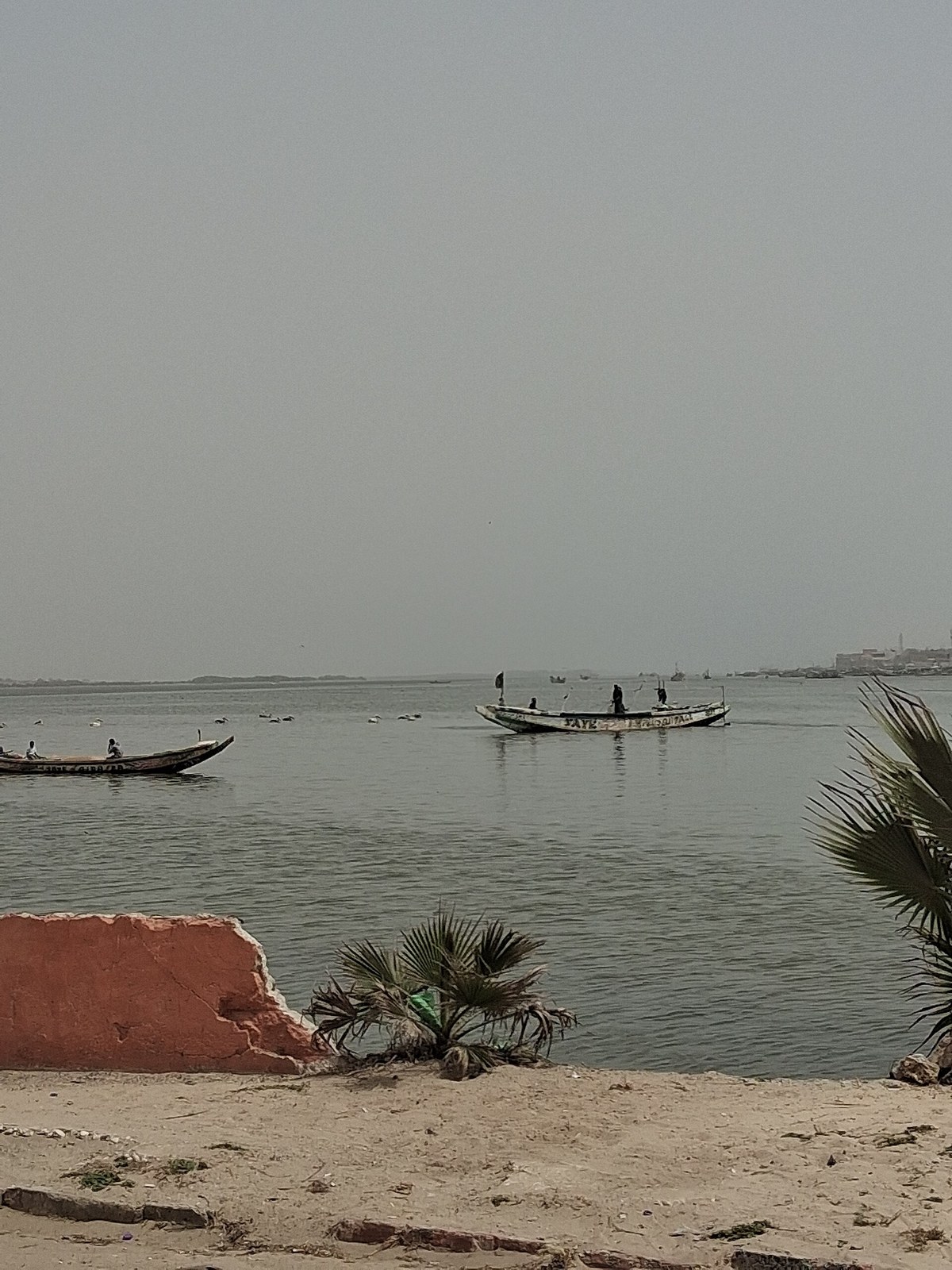
In Senegal, the families of 175 people are waiting for a sign of life. The passengers set out on 9 November in a pirogue, a long wooden boat, from the fishing port of Yoff in the capital Dakar, heading for Spain. Almost three weeks later the boat has not been found, the French international broadcaster [RFI](https://www.rfi.fr/) reports from Dakar. 🌍 Relatives from Yoff, Ngor and Cambérène gather under a shelter on the quay, pray and call for more searching. ⚓ Senegal's navy says search operations are under way, according to RFI. Since the start of November it says it has intercepted or prevented the departure of more than 5,200 migrants. The Atlantic route to the Canary Islands is one of the deadliest migration routes; in early November a boat capsized off Senegal and at least 34 people died.
🕯️ **Waiting on the quay.** RFI correspondent Léa-Lisa Westerhoff met about a dozen relatives on the fishing quay at Yoff. One of them is Baye Nguene Dien, a fisherman, the quay's safety officer and a member of the artisanal fishing committee. His 23-year-old son is on board, as are his nephew and a neighbour. The families pray that the young men reach Spain; it was their dream to earn a future that way, he told the broadcaster. Another father, Mata, says his 17-year-old son is on board. He knew nothing of the departure: when he came back from fishing the room was empty, and on the beach he learned that the boy had taken the pirogue.
🎣 **Why they leave.** The fathers describe what drives many young men on the coast: there is hardly anything left to catch at sea, life is hard, and the young cannot support their families. That is why they set off for Spain. RFI had earlier also reported that videos on TikTok promote the dangerous crossing to Europe.
🚁 **The question of the search.** The longer the uncertainty lasts, the more the families doubt the search efforts. There are drones, helicopters, planes and a navy, Baye Nguene Dien says; why is nobody looking for their children? Without news and without bodies, the families can neither mourn nor move on. The navy insists the search is continuing; where and with what means is not stated in the report.
🌊 **The route.** From the West African coast to the Canaries it is well over a thousand kilometres of open Atlantic, depending on the point of departure. According to the aid group Walking Borders (Caminando Fronteras), quoted by Al Jazeera, 635 people died trying to reach the islands in the first five months of this year alone. On 7 November a pirogue capsized off the Loumpoul dunes in the Kebemer department between Dakar and Saint-Louis; according to the Senegalese Press Agency APS, at least 34 people died and one was rescued. At the same time, more boats are arriving again: on El Hierro, authorities declared an emergency in early November after more than 3,300 people had arrived in about 30 boats since the start of the month.
📰 **What is unknown.** Whether the pirogue from Yoff arrived somewhere, drifted off course or sank, nobody knows so far. No find of the boat and no arrival in the Canaries had been reported when RFI published its report on 27 November.