🚢 US shipping agency warned internally that the blockade is pushing up Gulf war-risk premiums
In brief
- 📄 A memo from the US Maritime Administration (MARAD) of 12 October, obtained through a records request, admits the blockade strains insurance premiums and cargo capacity.
- Merchant ships now face "kinetic action from both sides", and the threat reaches Gulf anchorages and the Gulf of Oman.
- 💶 Insurance for crude from the Middle East to East Asia rose about 200-fold by end of October to $12.29 a barrel, per OPEC.
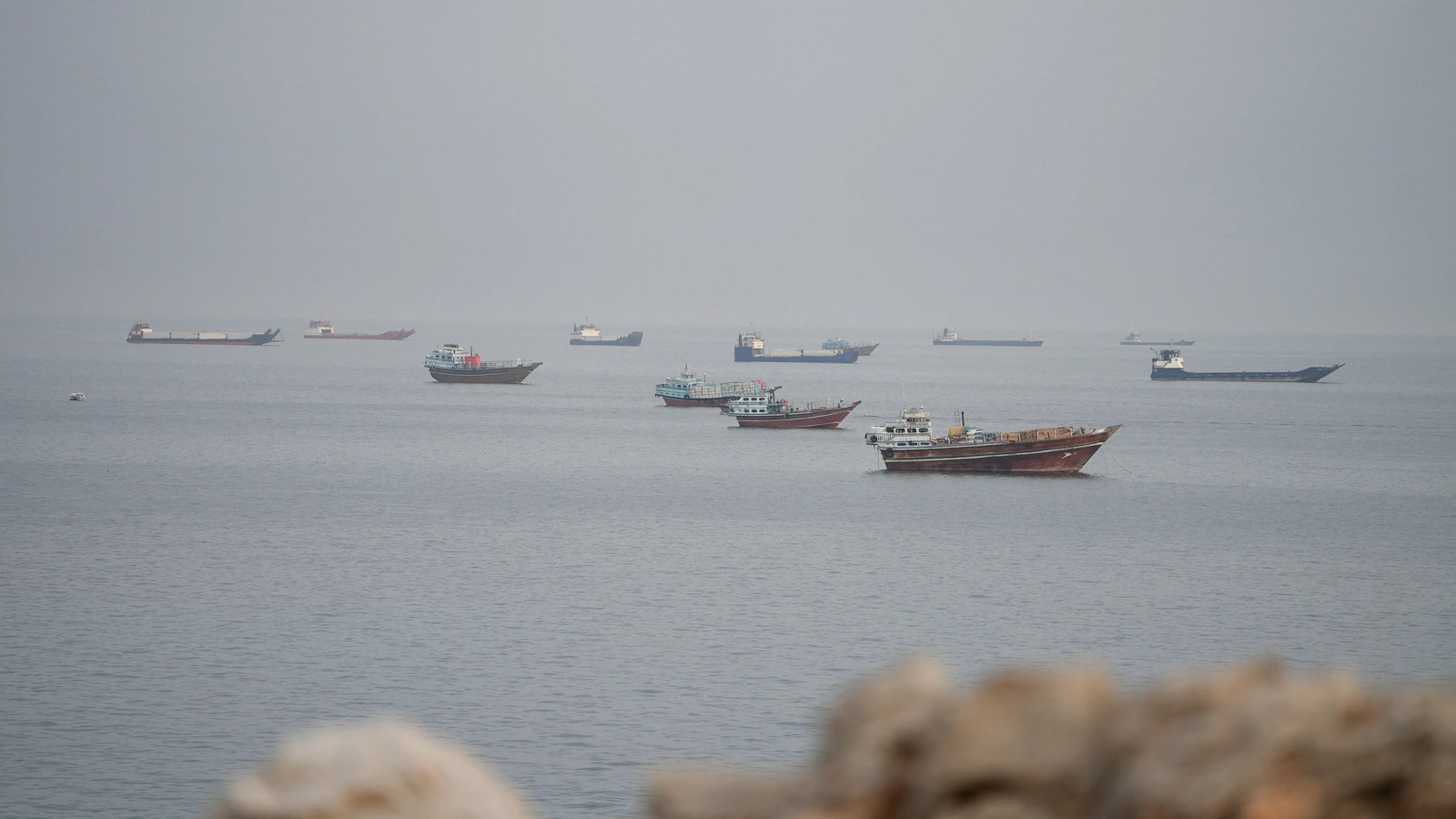
The US Maritime Administration (MARAD) acknowledged internally that the US blockade of Iran is hurting insurance premiums and cargo capacity in the Gulf. That is shown in documents Al Jazeera obtained through a Freedom of Information request. MARAD administrator Stephen Carmel sent a subordinate an alert on 12 October titled "Hormuz risk expands beyond the strait". It says merchant ships now face "kinetic action from both sides" and that the threat has spread to Gulf anchorages and the Gulf of Oman. The trigger was US Central Command (CENTCOM) disabling the Panama-flagged bulk carrier Ocean Molica, which tried to breach the blockade, and unattributed attacks on three more tankers in and around the Strait of Hormuz.
🛢️ Other sources show how large the cost increase is. According to OPEC, the insurance cost for an oil tanker carrying crude from the Middle East to East Asia rose about 200-fold from January to the end of October, to $12.29 per barrel. As of July, insurers charged 3.5 to 7.5 percent of a vessel's market value for war-risk cover, against 0.10 to 0.25 percent before the war (industry estimates cited by Singapore's parliament). Crude prices rose by as much as 60 percent and fertiliser prices by as much as 112 percent at various points.
🌍 The attacks on shipping began after the US and Israel struck Iran on 28 February. The International Maritime Organization counts about 130 attacks on vessels in the region and at least 25 seafarers killed; October was the worst month, with 35 vessels targeted. CENTCOM says it destroyed or disabled at least two dozen vessels, some of which it describes as part of the Revolutionary Guard's shadow fleet.
In an email, Carmel asked MARAD's insurance office how the agency intends to "rebuild" war-risk insurance. The reply pointed to a summary compiled from news reports; details of the "core deliverables" are redacted. It is unclear whether the alert came from MARAD or another agency, and MARAD did not answer requests for comment. Todd Huntley of Georgetown University said the agency normally issues general alerts but rarely discusses consequences such as higher insurance rates. Ian Ralby of I.R. Consilium suggested the administration may have weighed the consequences and dismissed them. President Trump said last week that the days of peace-deal talks "have long since passed".