🇬🇷 Greek general strike halts ferries as thousands protest against living costs
In brief
- 🚨 A 24-hour general strike on Wednesday brought at least 14,000 workers into the streets.
- ⛴️ All ferries stayed docked and 15 regional airports had no operations.
- 💶 Protesters want higher pay; annual inflation reached 5.7% in October.
- 🏛️ Prime Minister Mitsotakis said wages and pensions will be raised again.
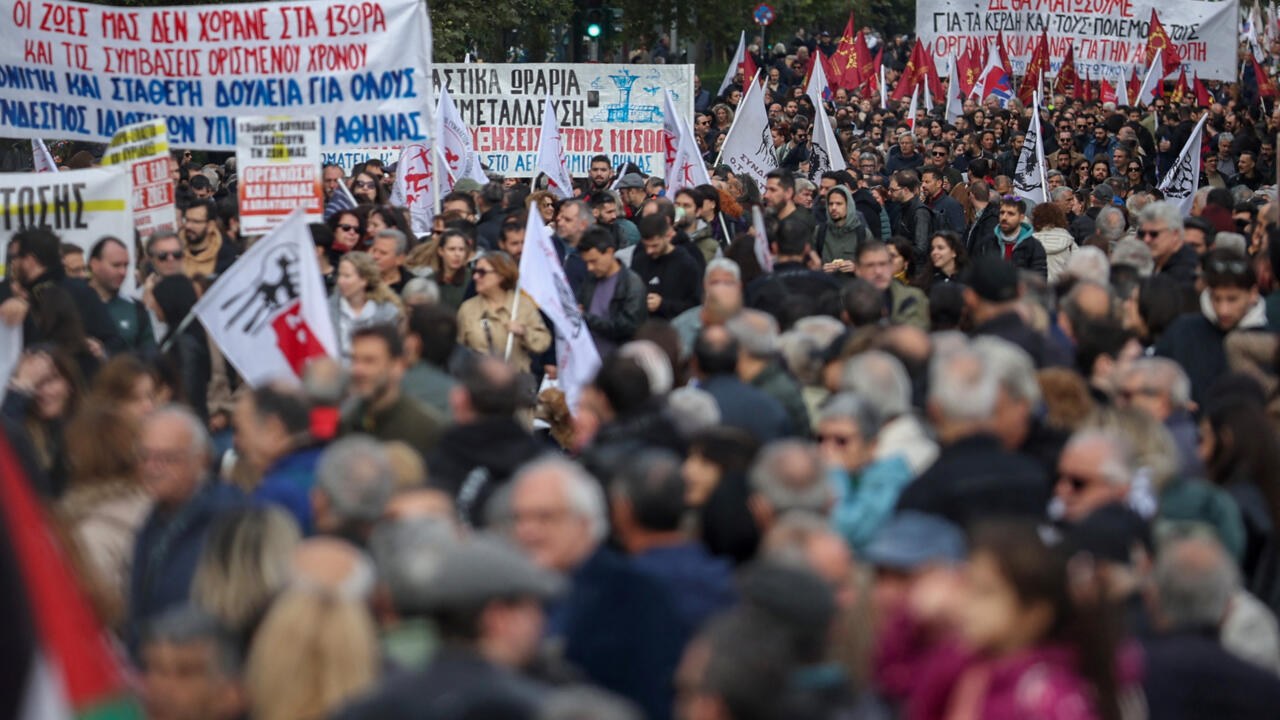
🇬🇷 At least 14,000 public and private sector workers protested in Greece on Wednesday during a 24-hour general strike, RFI Brasil reports. They are demanding better pay and action against the high cost of living, and students joined marches in central Athens and other cities. ⛴️ All ferries and ships stayed moored for 24 hours, 15 regional airports had no operations and the Athens metro stopped at times. Prime Minister Kyriakos Mitsotakis again acknowledged that the cost of living is the country's major challenge.
📣 The rallies were organized by Adedy, the confederation of civil servants' unions, which wants substantial pay rises to make up for lost purchasing power. The group said it would not accept expensive living, frozen salaries, energy poverty or the dire state of public health care and education. Strikers came from public administration, schools, health care, transport, construction and retail.
✈️ The regional airports went quiet because telecommunications staff responsible for flight information services walked out, according to the report. In Athens the metro stopped early in the morning and again from 6 p.m. local time, and suburban trains were disrupted. Taxi drivers lined up along Panepistimiou Avenue, blocking it while calling for cheaper fuel and lower taxes.
🏫 Anna Bolofi, a union leader in education, told RFI that it is hard to survive like this. The government, she said, will not restore the 13th and 14th monthly salaries even as prices climb. Public employees want an end to austerity measures introduced during the debt crisis more than a decade ago. Primary school teacher Thanos Rengounas rejected the upbeat official figures, saying more and more people cannot afford their rent.
📊 The data cut both ways. Helped by bailouts of about 280 billion euros, one of the euro zone's most indebted countries has recovered considerably, wages have risen and taxes have fallen in recent years. The European Commission expects Greek growth of 1.8% this year, compared with 1.1% for the euro area. Yet more than half of workers earn around 1,000 euros a month, RFI says, and the minimum wage remains below 1,000 euros gross despite increases.
🏠 Housing costs have meanwhile surged, particularly in Athens, pushed up by the post-pandemic tourism boom. The statistics authority Elstat put annual inflation at 5.7% in October, driven by energy, transport and food; the report links price pressure to the wars in Ukraine and the Middle East. Before a cabinet meeting, Mitsotakis said wages and pensions would get a new boost. It was not the first protest: unions had already mobilized twice against living costs in the past month.