⚛️ Zaporizhzhia nuclear plant loses outside power again as IAEA seeks local ceasefire for repairs
In brief
- ⚛️ Russian-held Zaporizhzhia has lost both external power lines for the 28th time since the war began.
- 🔋 Diesel generators are now powering the cooling of its six shut-down reactors.
- 🕊️ The IAEA is working with Russia and Ukraine on a local ceasefire so the lines can be repaired.
- ⚠️ IAEA chief Grossi calls the plant's power connection "extremely precarious".
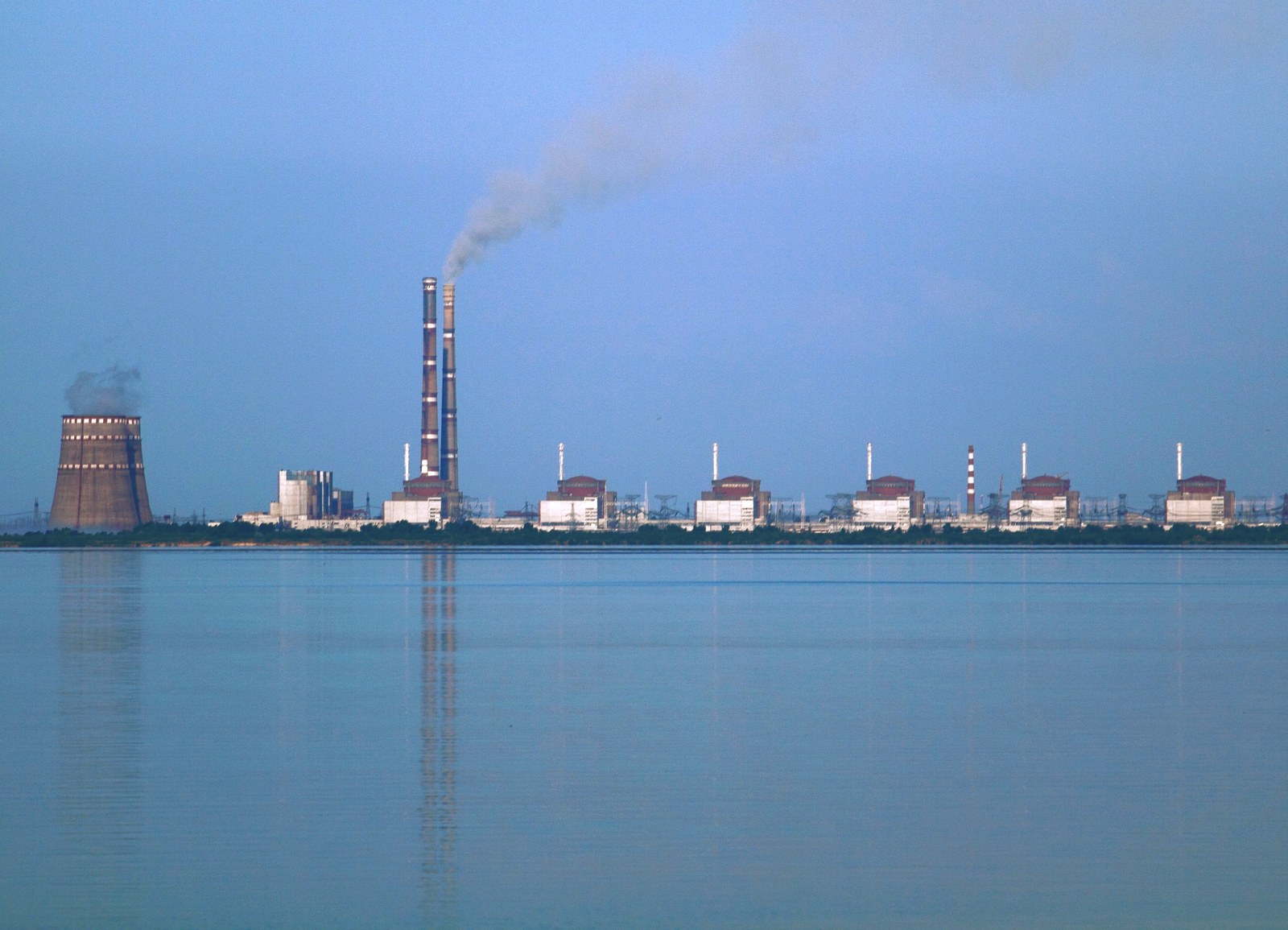
⚛️ The Zaporizhzhia nuclear power plant, Europe's largest with six reactors, has been cut off from the outside grid again. According to the International Atomic Energy Agency (IAEA), both external power lines are down, the 28th time since Russia's full-scale invasion began in February 2022. The outage was "reportedly due to military activity". The plant, held by Russian forces since the first weeks of the war, no longer generates electricity but needs power to keep the nuclear fuel in its reactors cool; diesel generators are now doing that job. 🕊️ The IAEA said on Thursday it was working with Russia and Ukraine to arrange a new local ceasefire so technicians can repair the lines. Director General Rafael Grossi said the incident, together with the plant's location on the front line of an active war zone, "results in an extremely precarious offsite power connection", and called on both sides to stop military activity. The plant's Russian operators said the disconnection occurred after protection devices switched on and that the generators were working properly.
🔌 **Why power matters.** Even shut-down reactors and spent fuel pools produce decay heat. Pumps have to circulate cooling water, or temperatures rise. When outside power fails, emergency diesel generators start. They are the last line of defence: as long as they run and have fuel, cooling is maintained. That is why the IAEA treats every loss of the external lines as a serious safety event, even when it passes without consequences.
⛽ **Diesel as the bottleneck.** The summer showed how thin that buffer can get. In August, according to the IAEA, the plant lost what was then its only remaining line, the 330-kilovolt Ferosplavna-1; the plant's management called it the 26th outage. According to the trade journal Nuclear Engineering International, the plant reported at the time that its last diesel delivery had arrived in March and a delivery planned for May had been held up by the fighting, with more than ten days of fuel on site. As an extra reserve, water levels in the spent fuel pools of all six units were raised to buy more time before boiling in an emergency. Before the war the plant had ten lines to the grid.
🤝 **Ceasefire as a tool.** The IAEA has brokered several short, local pauses in fighting during this war so repair crews could reach damaged lines. Because the damage often lies in contested ground or on the Ukrainian-held side of the Dnipro, both armies have to agree. That is again the route Grossi is pursuing.
⚖️ **Two accounts.** As with earlier outages, the accounts differ. The IAEA cautiously cites reported military activity as the cause. The Russian-installed plant management points to protection devices that tripped and stresses that the generators are working normally. Both sides have for years accused each other of endangering nuclear safety with attacks near the plant.
❄️ **What counts now.** Winter adds strain to the region's already weakened grid. What matters is how quickly a ceasefire can be arranged and the repairs done, and whether diesel supplies last until then. The IAEA keeps its own experts permanently on site, reporting on the state of the plant.