🎮 heise column: how AI-assisted hobbyists and GTA 6 put console exclusivity in question
In brief
- 🎮 Martin Fischer, deputy editor-in-chief of heise medien, uses GTA 6 as an example of upheaval in the games industry.
- 💻 His observation: hundreds of hobbyists are using AI coding assistants to turn the leaked Xbox version into a PC build; Rockstar is pushing back.
- ❓ He asks whether studios can still afford console exclusives and how they can protect their games.
- 🕹️ His thesis: GTA 6 may be one of the last big hand-made game projects.
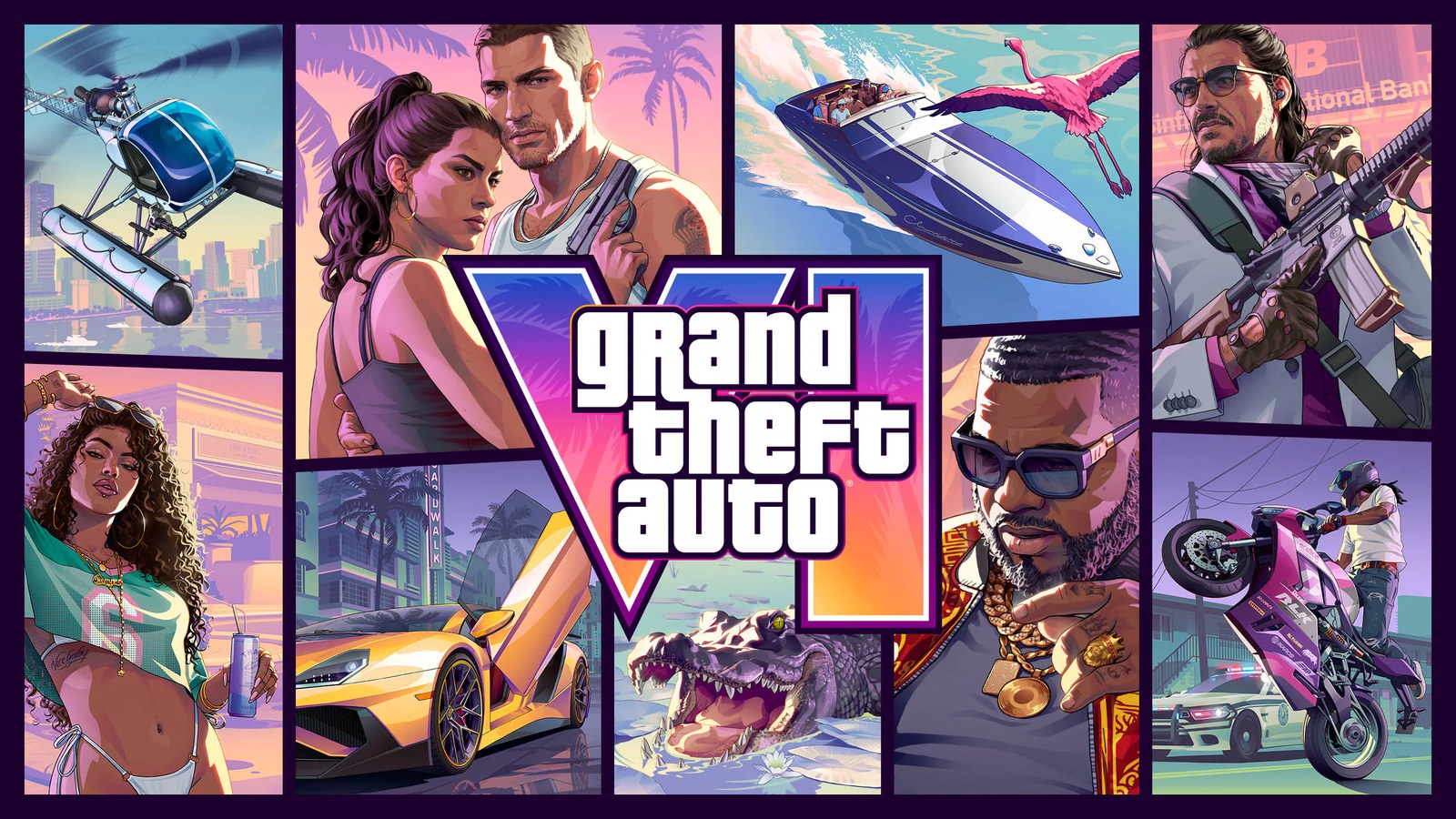
🎮 In his Friday column "Post zum Freitag" on heise online, Martin Fischer, deputy editor-in-chief of heise medien, argues that artificial intelligence is changing the rules of the games industry. His example is Grand Theft Auto VI: after a wait of more than 13 years the game exceeded high expectations, he writes, but like its predecessors it launched on consoles only. 💻 What is new this time, according to Fischer, is that hundreds of software hobbyists have teamed up to build a version that runs on Windows PCs from the Xbox version and a leaked executable, with the help of AI coding assistants. Rockstar is resisting, but progress is shared publicly every day. What used to take elite software crackers is now within reach of large groups with enough prompting skill, though still not easy. ❓ From this he draws questions for the industry: can studios still afford console-exclusive titles, what happens to revenue plans built on them, and how can games be protected at all? His conclusion: makers risk losing control of their games while big productions keep getting more expensive. GTA 6 may be one of the last big "hand-made" game projects of this generation.
🧭 **Two forces meeting.** Fischer describes the situation as two developments colliding. On one side is the old wish of fans to play a game on a platform it was not made for. On the other are AI-powered tools that analyse someone else's program code and help overcome technical hurdles he calls immense in places. He stresses that this does not make unofficial ports possible at any time or easily. His core claim is narrower: they have become achievable, and no longer only for a handful of specialists.
📅 **The series' familiar pattern.** Fischer recalls that earlier instalments also launched on consoles first, with the PC version following many months later. Criticism of GTA 6's console exclusivity is therefore nothing new. What is new is 2026, which he describes as the dawn of the AI age, changing the rules of the entire software industry. The hobbyists' progress can be followed on X and Reddit, he writes, provided one filters out the AI-generated slop that now floods social networks.
🔓 **What is known about the leak.** Fischer's column names no group and no project. Other reports add background: according to Notebookcheck, the leaker Cyberleek, who has pressured Rockstar with game material for months, spread a decrypted Xbox build of about 209 GB through piracy networks and later released the executable as well. No working Xbox Series X emulator exists, the report says; the console shares an x86-64 architecture with many PCs but runs its own operating system. A second route would be a decompilation project, in which developers analyse, modify and rebuild the code. How far the efforts have really got cannot be confirmed from these sources.
💶 **The questions for studios.** Fischer asks whether developers can still afford to release titles for consoles only, and what happens to studios whose revenue plans rest on exactly that. He points out that GTA, with billions in revenue, is an exception; most studios have to calculate far more tightly. The third question, how studios can protect their games at all, he leaves open.
📉 **An industry under double pressure.** The wider frame, in the author's view, is a structural crisis visible in layoffs and cancelled projects. At the same time GTA 6 has sharply raised expectations for future full-price games: ray-traced graphics, a world that feels alive and smooth animation set a bar other productions can only reach at great cost. Meanwhile AI lowers the barriers for mods and unofficial ports. The lines between consoles, PCs and operating systems are blurring more and more, he argues.
🕹️ **A wistful ending.** Fischer draws a rather personal conclusion: GTA 6 may be one of the last big "hand-made" game projects of his generation, so we should enjoy the moment. It is an assessment, not a forecast backed by evidence; the column gives no figures on AI in game development. Whether studios respond with stronger protection, earlier PC versions or other business models remains open in his text.