🎬 David Fincher explains how AI re-lipped dialogue in his Cliff Booth film
In brief
- 🎙️ On The Big Picture podcast, David Fincher confirms AI use in the post-production of his new film.
- 👄 He paired preferred line readings with preferred pictures and, where needed, used AI to adjust lips.
- 🎥 He can imagine shooting far fewer takes in future and deriving close-ups with AI.
- 💬 Social media reaction is critical, and fans also allege visible generative AI errors in the film.
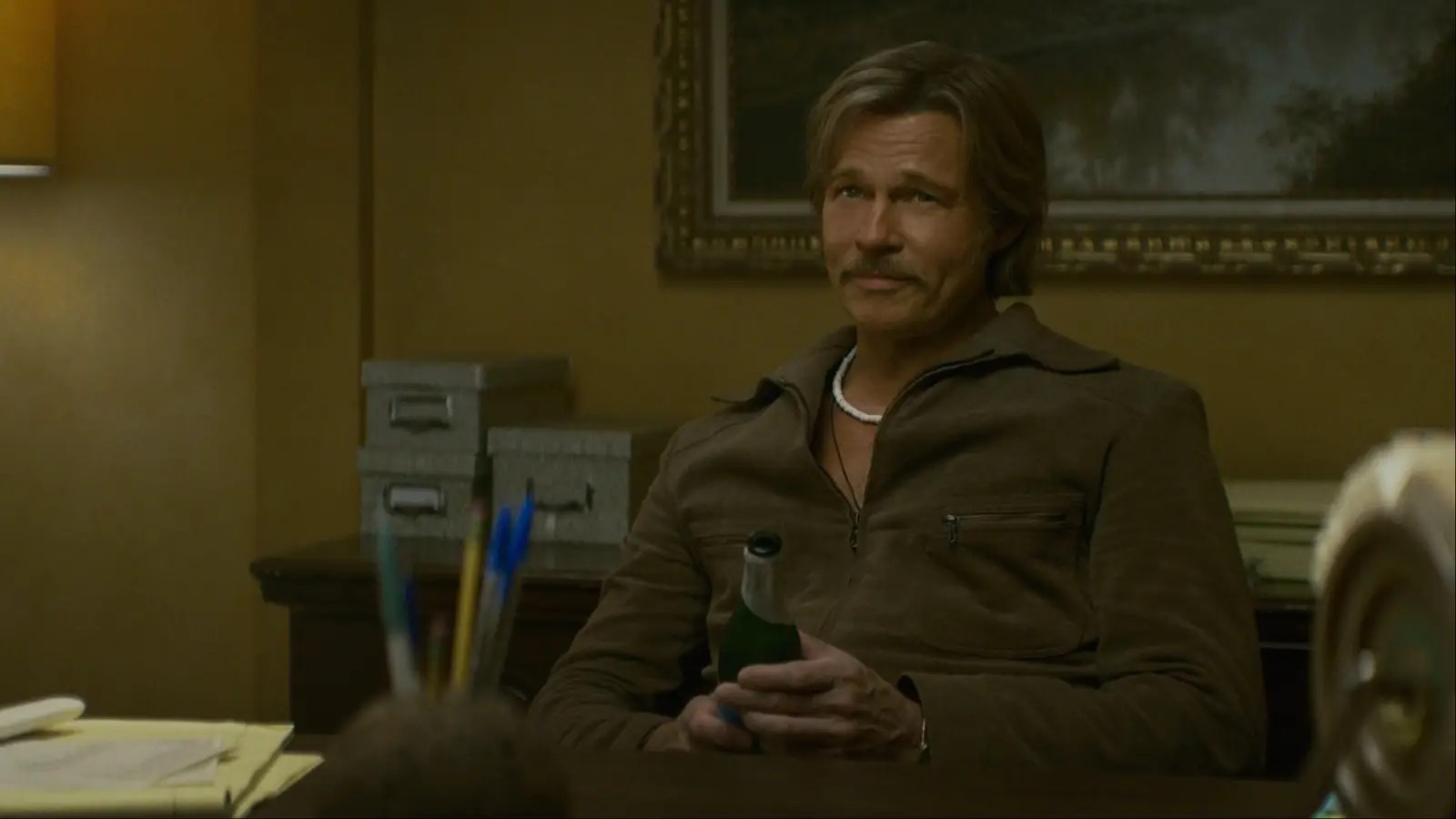
🎬 Director David Fincher has explained on The Ringer's podcast The Big Picture how he used AI on The Further Mis-Adventures of Cliff Booth. When the best voice take did not match the best picture, he and his team could use AI to change the actors' lip movements afterwards. 👄 That spared him further takes. By his account it mostly worked; a couple of shots did not quite come off, though he says they are getting there before the film reaches the streaming service. His outlook drew the strongest response: Fincher can imagine shooting mainly the master shot of a scene and later deriving variations such as close-ups from material the actors perform while seated. 🎥 According to IGN, many people on social media reacted sharply, while some defended him. Separately, Polygon reports that fans allege blatant generative AI in the film, for instance in a carriage scene. The movie has been showing in IMAX cinemas since November 25 and comes to Netflix on December 23. 📅
🎞️ Fincher, known for making actors repeat some scenes more than 50 times, describes the method as plastic work: not chiseling marble but shaping plasticine. According to World of Reel, his long-time editor Kirk Baxter was allowed to drop in audio from another take even when it was out of sync, so the music of an exchange would be right. Only then did they decide whether to cut away or to re-lip the shot with AI. When host Sean Fennessey said he thought lines in one scene had been re-recorded, Fincher replied that it was all AI, used to clean up those tracks.
🎧 Studio sessions did not disappear entirely. Polygon reports that Fincher kept the actors for only four to five additional days to re-record lines. In IGN's account, only about five percent of the dialogue replacement was done the conventional way, and the rest, in Fincher's words, was AI.
🔮 His picture of the future goes further. He considers it conceivable as soon as next year that costumes, makeup, sets and light still come from the same craftspeople. The master of a scene would be shot 20 or 25 times, with surface capture running at the same time. The actors would then sit and perform the same scene from the collarbones up while the crew moves on to light the next stage. Over-the-shoulder shots and close-ups would be derived from that material. Missed focus, a flubbed dolly move or a hair crossing an actor's eye could be fixed with AI. It would all remain based on real people, he argues, who would only have to do it about 15 times.
⚖️ Critics answer that a performance assembled from several takes with AI was never actually given. Actor Mike Kalinowski said, as quoted by IGN, that this should not be called directing; others called the vision dystopian. Defenders note that editing has always combined parts of different takes. Fincher had earlier told the Los Angeles Times, according to Polygon, that AI exists and asked whether it therefore should not be used.
🔍 It remains open how much AI sits in the images beyond the dialogue. Polygon says the interview was recorded before allegations of obvious generative AI emerged, including a horse on the wrong side of a carriage, and its report contains no answer from Fincher on that. The film is set eight years after Once Upon a Time... in Hollywood, with Brad Pitt again playing stuntman Cliff Booth in a script by Quentin Tarantino.