⛽ Rod Sims: Australia is nearly giving its gas away and should tax it more
In brief
- ⚖️ Former competition chief Rod Sims argues in a column for higher taxes on Australia's gas industry.
- 💸 Producers pay close to nothing for the gas itself, he says, and the resource rent tax is deeply flawed.
- 🌍 Norway and the UK collect about 75% of fossil fuel revenues in tax, according to Sims.
- 📊 Two options: a 25% export tax or a cashflow levy, each raising up to about $18bn a year.
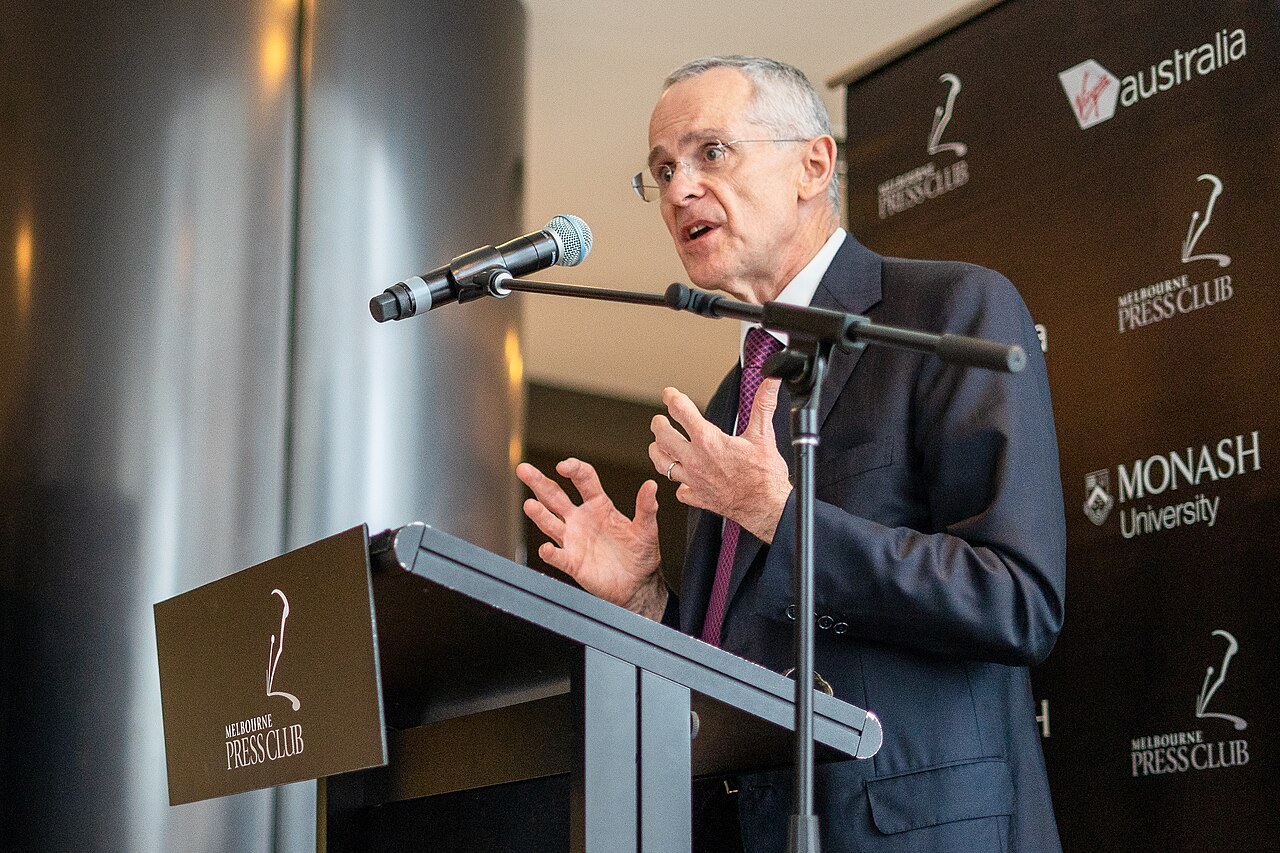
⚖️ Rod Sims, chair of Australia's competition regulator ACCC from 2011 to 2022 and now chair of the [Superpower Institute](https://www.superpowerinstitute.com.au), argues in the [Guardian](https://www.theguardian.com) that raising more tax from the gas industry is as close to a public policy no-brainer as it gets. 💸 Companies pay company tax, he writes, but almost nothing for a resource that belongs to all Australians. With budget deficits forecast far ahead and spending hard to cut, he sees this as by far the easiest revenue step. The column states his opinion.
📊 Sims starts with the budget. Many voices want a quick return to surplus and look to large net spending cuts. Those are difficult given pressure from an ageing population and defence, among other areas. He therefore believes the goal will only be met if governments work on revenue as well as keeping a tighter grip on spending.
🌍 In comparison, he says, tax takes well under 30% of the gas industry's revenue. Every other major gas producer collects more, usually far more. Norway and the United Kingdom take about 75% of fossil fuel revenues and still have strong production and willing investors. Norway's equity stakes in projects are not even part of that figure. Sims points to the Norwegian sovereign wealth fund of more than US$2tn and to the money successive Australian governments have passed up.
🏭 His principle: someone who builds a factory or provides services pays company tax. A business built on access to a scarce resource owned by the public should pay for that on top, as happens around the world through royalties or, better, taxes that capture a fair share of the benefit. The industry pays for equipment and wages, but effectively not for the gas in the ground.
🔧 For offshore gas that payment was supposed to come through the petroleum resource rent tax. According to Sims, all experts agree it is deeply flawed and raises a pittance. The threshold for paying is set far too high and is rarely met. The tax also applies only upstream to the gas, not to the liquefied product that is exported, and working it out requires an artificial price at the point where gas moves into liquefaction.
🛠️ As a further point, though he says none is needed, the North West Shelf gas business off Western Australia only went ahead with government underwriting and other support. He also sees an anomaly when prices climb: households and companies pay more, while Australians as owners get nothing from the upside. The gain flows to largely foreign-owned businesses, so a higher price for the country's own gas leaves people poorer.
⚖️ Sims sets out two main proposals: a 25% export tax and the so-called fair share levy. He puts their annual yield at up to about $18bn. The levy is a cashflow tax like the one Norway applies, and by its construction, he argues, does not reduce the incentive to invest in new gas resources. The short column does not work through industry objections in detail.
💵 His closing image: a country that needs money and taxes its gas so lightly is like a poor person who sees a $50 note on the pavement and does not bend down to pick it up. For context, Sims chairs the Superpower Institute, which aims to position Australia as a leader in the post-carbon economy, and is an enterprise professor at the Melbourne Institute at the University of Melbourne.