👶 Cristina Vio on Chile's nursery law: passing it was only half the job
In brief
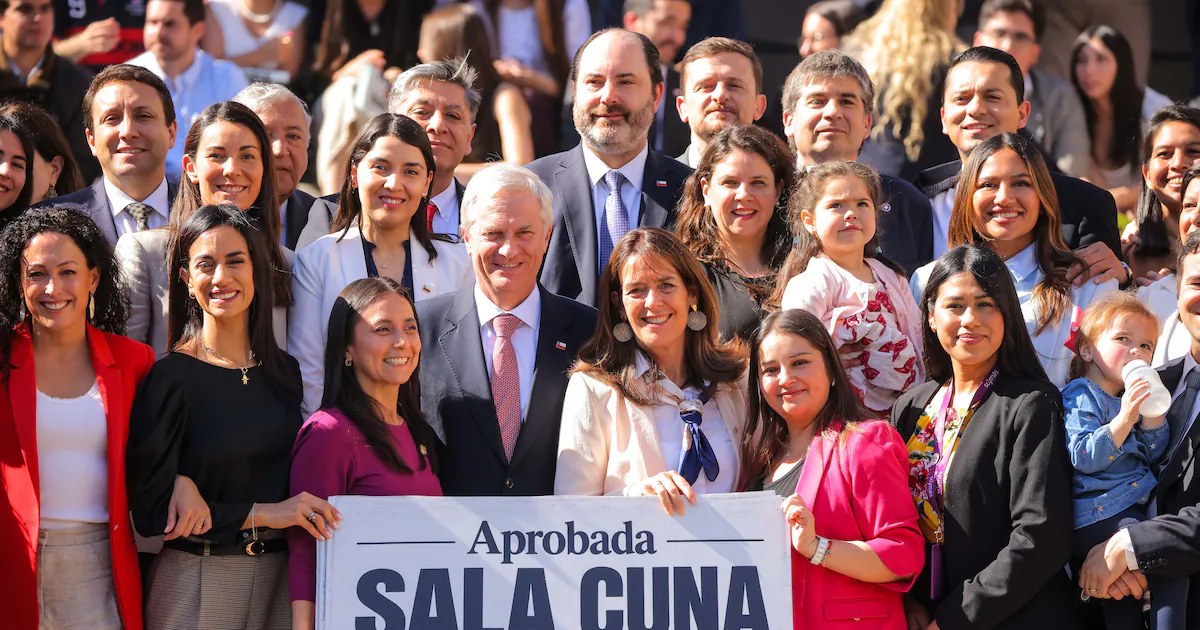
- 👶 After almost five years, Chile's Congress has passed the universal nursery law (sala cuna universal).
- ⚖️ The right now extends beyond women and no longer depends on how many female workers a company employs.
- 🧾 Cristina Vio of ComunidadMujer sees three hurdles: the size of the payment, the fund's sustainability and missing places in rural areas.
- 🧭 Without good implementation, she writes, the law stays a rule without effect.
👶 After almost five years in Congress, Chile has passed its universal nursery law. Cristina Vio, executive director of the women's organisation ComunidadMujer, welcomes it in a column in La Tercera as a fundamental advance: the right to a nursery place now extends beyond women and is no longer tied to the number of female workers in a company. That decouples the right from hiring women and removes an open, century-old discrimination from Chilean law. 🧾 But passing the law is not the goal, Vio writes. For women to have real equality of opportunity, implementation must be solid, and she names three challenges: a yearly payment that covers what a nursery place really costs, so that a co-payment shuts nobody out; a nursery fund that stays financially sound alongside the unemployment insurance; and provision that reaches rural, isolated and island areas. 🧭 Rules alone do not change reality, good implementation does, she concludes. That task begins now.
📜 **What changes.** Until now only employers with at least 20 female workers had to provide a nursery place in Chile. For more than a century, Vio writes, a nursery place was therefore a cost tied to hiring women. According to the government's plan as CNN Chile described it in June, the right is to be extended in four yearly stages: first to all employed mothers and to fathers or carers with legal custody, then to self-employed women and domestic workers, later to fathers whose partners are unemployed or studying, and finally to other fathers and central government staff. Funding is to come from a new nursery fund; in the government's draft, employers pay 0.35% of wages into it, offset by an equal cut in their contributions to the unemployment insurance. The column does not spell out the details of the final text.
💶 **First hurdle: the payment.** Every September a technical commission is to issue a report that the finance ministry must take into account when it sets the yearly payment. The report is to reflect the real cost of a nursery place in each region or province, the quality standards the law demands and the sustainability of the nursery fund. If the payment falls short, Vio warns, a co-payment can become an access problem, despite a supplement and the government's pledge to set a legal cap. If it matches reality, the risk disappears.
🏦 **Second hurdle: money over time.** The pensions regulator and the budget office must produce actuarial studies of the fund every four years, update them yearly and publish them. If they find the fund unsustainable, they must propose legal changes, which may never come at the expense of educational quality. The pensions regulator must also report to Congress every year on the law's effect on individual unemployment accounts and the solidarity unemployment fund. The data will be there, Vio writes; their use depends on whether they raise alarms in time and guide decisions.
🗺️ **Third hurdle: places everywhere.** The law creates a public register of nurseries under the undersecretariat for early childhood education. It is to show available places, locations, opening hours and fees, and identify the municipalities without enough provision, especially in rural, island and isolated areas. That information has to turn into concrete decisions on where to expand provision and by when.
🧭 **Her yardstick.** Whether the payment is enough, the funding holds and provision reaches the whole country decides whether a rule becomes a real change in people's lives, especially women's. Vio cites the World Bank's finding that legal reforms alone do not close gaps unless governments implement them solidly.