🌍 Two failed UN conferences: The National calls on the next secretary general to restore diplomacy
In brief
- 🌍 An editorial in The National (UAE) reads two UN conferences within three days as a warning sign.
- 🤖 Geneva: 128 states put off binding rules for lethal autonomous weapons and agree only to keep talking for two years.
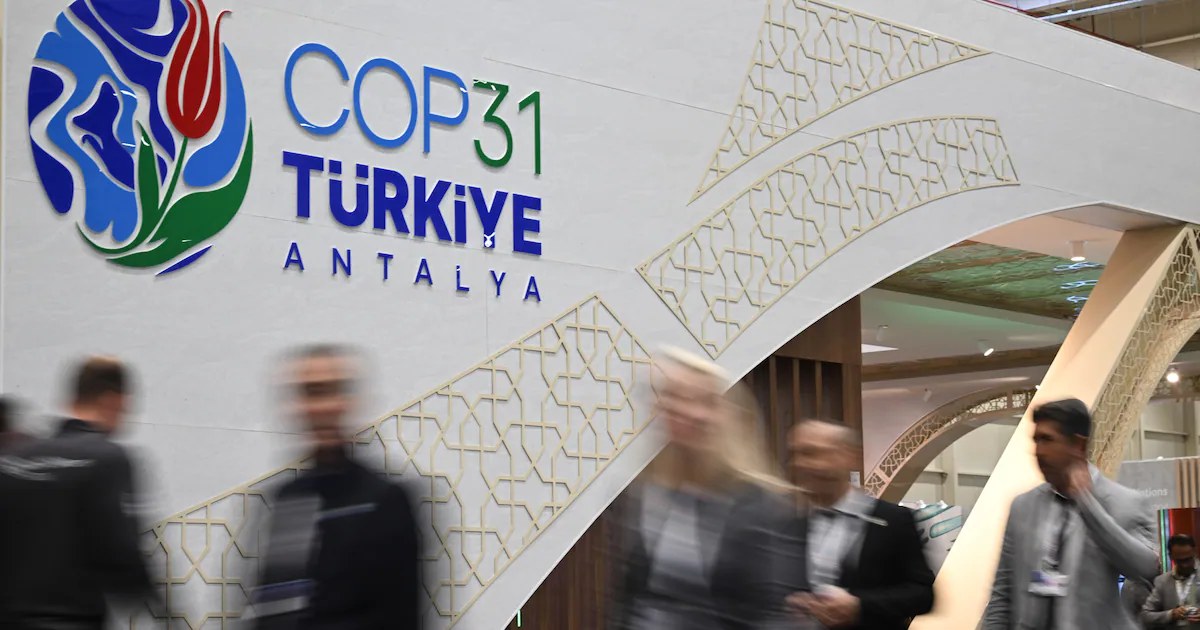
- 🌡️ Antalya: Cop31 ends with no deal on moving away from fossil fuels and on climate finance.
- 🧭 Asked of the successor: build coalitions, challenge governments, push UN80 reform.
🌍 The editorial board of The National, a newspaper in Abu Dhabi, sees the UN in a crisis of relevance and credibility. The trigger is two conferences that ended within three days. In Geneva, delegations from 128 member states did not agree to start negotiating binding rules on lethal autonomous weapons at once and will continue discussions for two years. In Antalya, the Cop31 climate conference ended on Sunday after overtime without an agreement. The editorial argues that consensus, meant to protect cooperation, often paralyses decisions. The successor of Secretary General António Guterres cannot command states, it says, but should build coalitions, challenge governments openly and push the reform of the UN machinery. 🧭
The piece is the paper's own opinion, not a news report; the assessment is The National's.
**Geneva.** The conference on the Convention on Certain Conventional Weapons had set out to launch immediate negotiations on new, binding rules for lethal autonomous weapons systems. According to the editorial, it ended with an agreement to continue the discussion for another two years. The writers counter that military technology is moving faster than international law and ask that the 2028 deadline stay on the diplomatic agenda.
**Antalya.** At the climate summit, major emitters, energy producers and the most vulnerable countries fought over wording on fossil fuels, carbon capture and adaptation finance in the final draft. The gap could not be closed. UN Deputy Secretary General Amina Mohammed said at the close that "today we lost a battle" and called for the fight for climate justice to go on. Work towards Cop32, to be held in Ethiopia next year, has to start on day one of the new term, the editorial says.
**The underlying problem.** The UN is not a supranational body, and the secretary general cannot impose decisions on sovereign states. Consensus, designed to protect cooperation, turns into a brake when national interests and geopolitical rivalries outweigh shared ones.
**What is asked for.** The office is not powerless: its holder can assemble coalitions of willing countries, businesses and civil society and challenge governments whose positions undermine collective security. Reform at home is needed as well. The editorial points to the UN80 initiative, meant to streamline bureaucracy, improve co-ordination and align resources with priorities, and to Lana Nusseibeh of the UAE, one of eight candidates to succeed Mr Guterres, who has said she is committed to such reform. It gives 1 January next year as the date. Its closing thought: a good first step would be to set the UN's own house in order, which itself requires consensus.