🗣️ Shada Islam: Frederiksen's words on migrants harm European democracy
In brief
- 🗣️ Opinion: Shada Islam criticises Danish prime minister Mette Frederiksen.
- ⚠️ Frederiksen, Islam writes, alludes to the “great replacement” conspiracy theory.
- 🌍 Islam also condemns a Rwanda plan backed by five European states.
- 🔁 The thesis: leaders are making once-taboo ideas normal.
- 📊 For many people, prices matter more than migration.
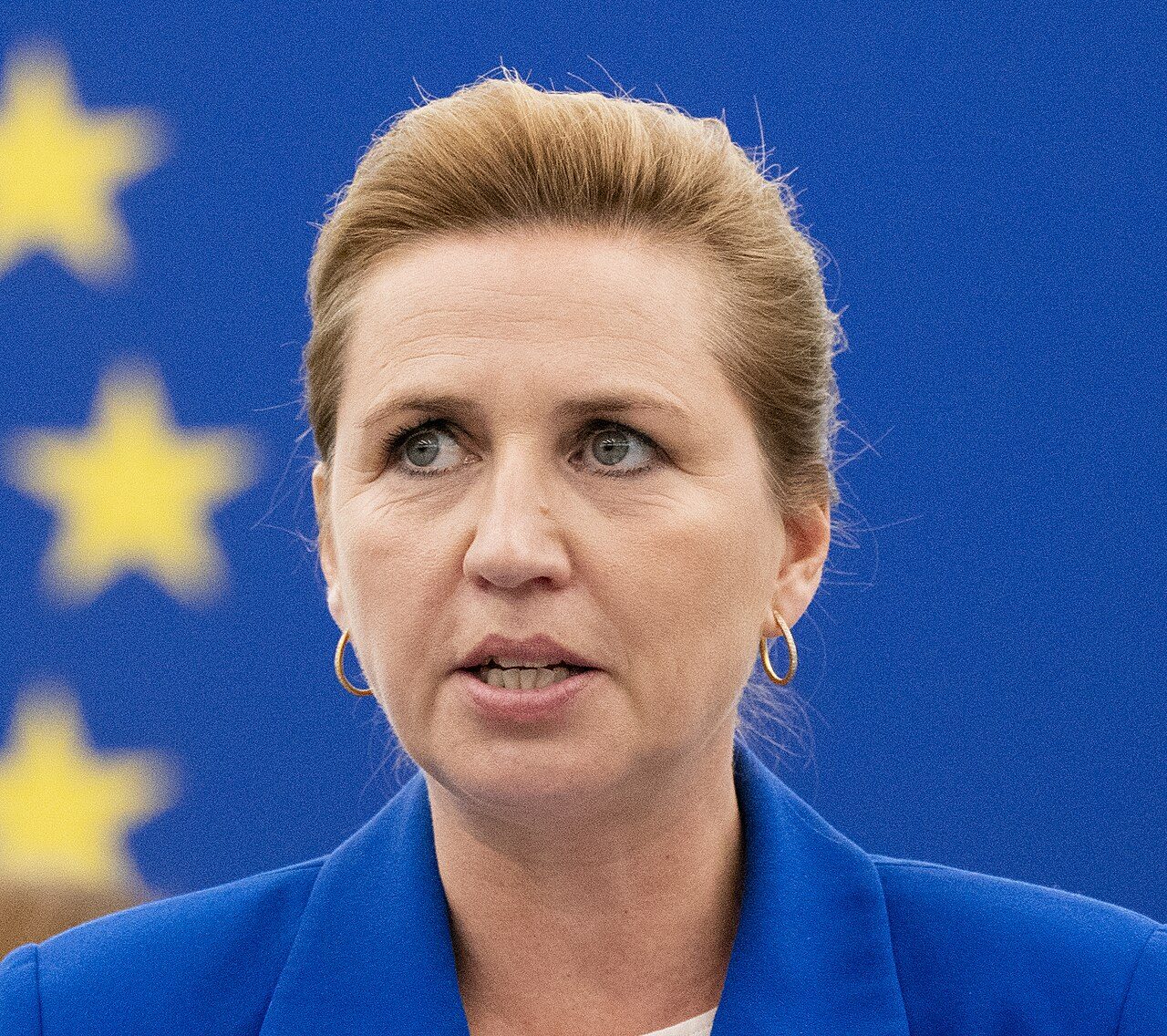
🗣️ In a Guardian opinion piece, Brussels-based commentator Shada Islam accuses Danish prime minister Mette Frederiksen of using coarse language about migrants that has no place in a European democracy. The Social Democrat, Islam argues, alludes to the “great replacement” conspiracy theory when rejecting multiculturalism. ⚠️ The author sees a wider pattern: centrist politicians are making ideas respectable that were once considered shocking. That, in this view, normalises hate, fear and discrimination, reaching Black, brown and Muslim European citizens too. Islam hopes progressive politicians will speak up louder for a more humane migration policy.
🎙️ **The quotes.** The trigger is a podcast from last week. There, as Islam quotes her, Frederiksen said: “We are a Danish society, and we form an ethnically Danish indigenous tribe.” She added: “We do not have religious equality. We are a Christian country. We shall continue to be so.”
✈️ **Rwanda and the courts.** A day earlier, Frederiksen had joined the leaders of Austria, Germany, Greece and the Netherlands to unveil the first European “return hub” in Rwanda, for people whose asylum claims are rejected in the EU. The first transfers of about 100 people are due in 2027. Frederiksen called the deal gamechanging; given Rwanda's human rights record, Islam says rights groups are more accurate in calling it disgraceful. As further examples the column cites a ruling this week by Denmark's supreme court that evicting “non-western” tenants from a Copenhagen social housing estate under the controversial “ghetto law” is not discriminatory, and Belgian legislation letting police force entry to remove people deemed undocumented.
🪟 **What the spectacle is for.** Such measures may yet be overturned in court, the author concedes. Their purpose, however, is to widen the Overton window, the range of ideas treated as legitimate in public debate. Islam calls it pure spectacle: politicians facing anger over inflation and housing want to look as if they are taking back control, and deliberately manufacture a moral panic to do so. The column also draws on US scholar Ibram X Kendi, whose book Chain of Ideas traces how the replacement theory moved from the fringe into Europe's everyday thinking.
🏛️ **Brussels.** Without pushback, Islam argues, EU institutions cross their own red lines too, wrapped in technical terms such as “risk management”, “burden sharing” and “returns”. Magnus Brunner, the EU's most senior migration official, has doubled down on offering cash and other benefits to global-south governments that stop migrants, a strategy the author considers discredited.
📊 **Figures against the alarm.** In the European Parliament's spring Eurobarometer, almost 50% of Europeans name inflation and living costs, not migration, as their main concern. Frontex data show irregular border crossings fell 29% in the first ten months of the year. Meanwhile, some countries with the toughest rhetoric, Denmark among them, are quietly bringing in workers from India, the Philippines or Bangladesh, often on short contracts that leave room for exploitation.
🗳️ Looking at coming elections, the column warns of even harder-line governments, including in France, where Marine Le Pen hopes to become president. Student protests, failing public services and unaffordable housing are meanwhile sidelined and blamed on foreigners.