🩺 Anand Krishnan: rigid rules and digital targets shut India's most vulnerable out of health care
In brief
- 🩺 Krishnan: universal health coverage must put the most at-risk first, yet rules exclude them.
- 🪪 In Delhi, home births persist because migrant women without an Aadhaar card and underage mothers fear rejection or their husbands' prosecution.
- 💉 The HPV vaccine is limited to 14-year-olds and the hepatitis B dose to the first 24 hours of life.
- 📊 Portal reporting duties and targets mean only what is recorded counts.
🏥 Community medicine professor Anand Krishnan of the AIIMS medical institute in New Delhi argues in a Hindustan Times opinion piece that rules and digital targets in India's health system exclude precisely the most vulnerable. His examples include home births in Delhi that persist because migrant women without an Aadhaar ID fear they will not be treated, and because underage mothers fear their husbands could be jailed under the child-protection law POCSO. Rigid age limits for vaccinations and reporting duties in the online portal add to this. Krishnan concedes that the cases are few and the system mostly works; he still considers the exclusions systemic and demands that targets and guidelines not take precedence over people's welfare.
🏠 **Why women give birth at home.** Krishnan was surprised by what he learned about the reasons for home births in Delhi. Besides access and quality of care, he names two others. First, recent or seasonal migrant women often have no Aadhaar card, India's national identity number, and little social or family support; they suspected that the lack of the Aadhaar-linked digital health ID, Abha, disqualified them. Aadhaar, he says, is strictly required only to pay out direct cash transfers under maternity benefit schemes and to enrol newborns on the spot. Second, girls giving birth below the legal age were afraid to deliver in hospital because their husbands could be jailed under the law on sexual offences against children, POCSO. Both groups, the author writes, are at the highest risk of dying in delivery.
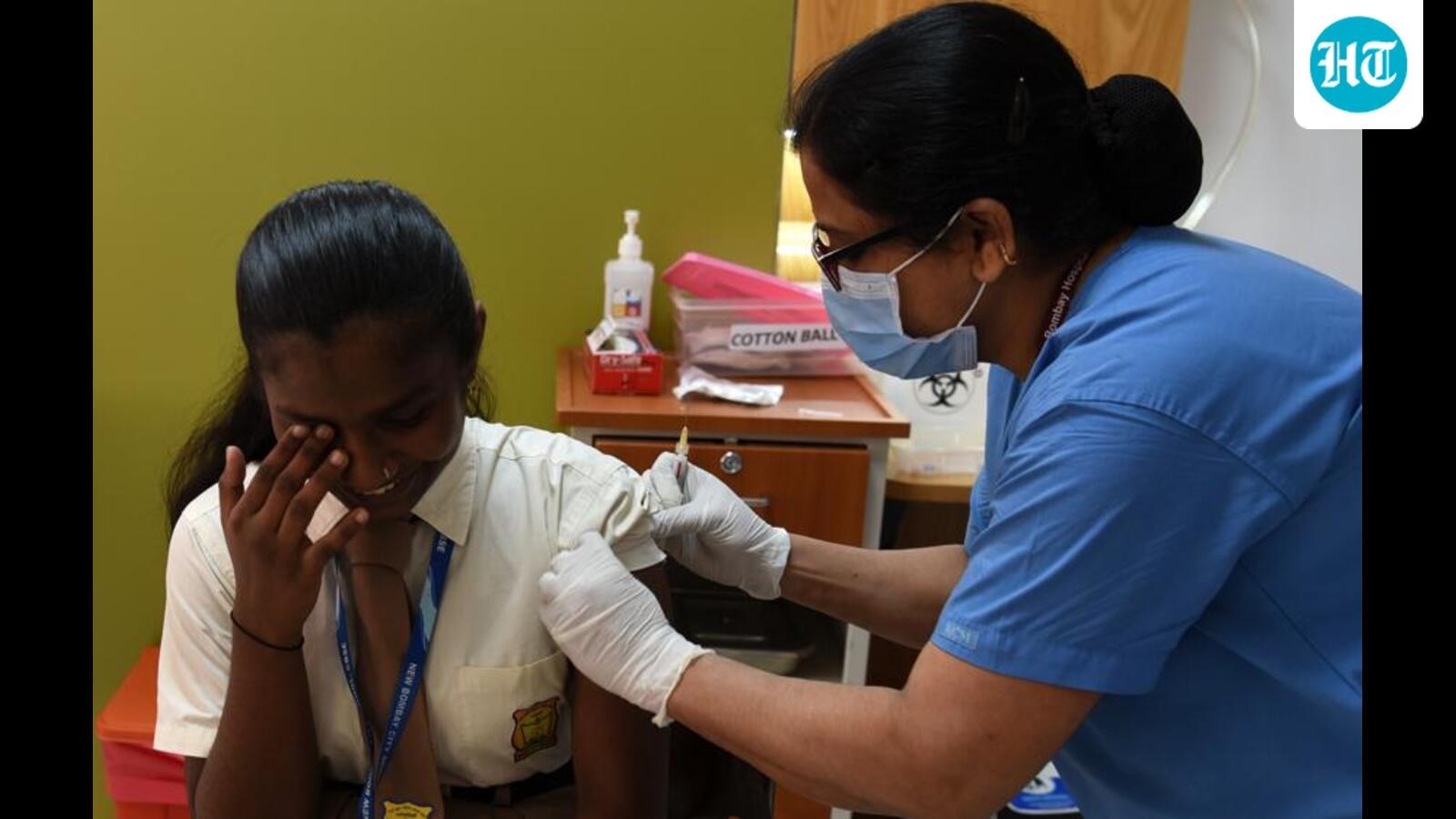
💉 **Vaccines with a cut-off.** The recently launched HPV vaccine is aimed at 14-year-old girls. Those aged 15 and 16 are turned away because the guidelines and the immunisation portal allow only 14-year-olds to be entered. The same goes for the zero-dose hepatitis B vaccine, to be given in the first 24 hours after birth: a child brought at 28 hours is refused, although the vaccine prevents mother-to-child transmission most effectively before 24 hours and remains advisable afterwards. The age limit of 14 for the HPV vaccine is, he says, mainly a supply issue.
📊 **Numbers instead of people.** Digital reporting has become a bane: all reports must be uploaded to the reporting portal within a set time or face penal action, for activities that are not really time-sensitive. There are targets for everything, from creating Abha IDs to HPV doses and newborn immunisation. If an activity does not go into the portal and count towards the target, health workers deem it pointless.
⚖️ **Caveat and conclusion.** Krishnan concedes that the cases he names are few and the system mostly works; they are unintended consequences of a well-targeted programme, but that does not make them less real. From what he hears in different forums, the discrimination spans the whole continuum of care, from pregnancy through medically terminated pregnancies and childbirth to birth-dose immunisation and HPV vaccination; the exclusions are therefore systemic. Targets and guidelines must not take precedence over people's welfare. He quotes the fictional detective Harry Bosch, "Everybody counts or nobody counts". Even an underage, unmarried girl with no proof of identity who wants to deliver at a public facility must be treated with respect. Otherwise, he concludes, the systems defeat the motto "leave no one behind", by design or by default. The piece gives the author's personal view and backs the cases with no figures.