🦷 Teeth whitening for 90 euros: RTBF finds banned bleach strengths in Belgian beauty salons
In brief
- 🦷 An investigation by Belgian broadcaster RTBF shows some beauty salons whiten teeth with far more hydrogen peroxide than allowed.
- ⚖️ Cosmetic use is limited to 0.1 percent, up to 6 percent is for dentists only, anything stronger is banned.
- 🩺 One client paid 180 euros for whitening and then almost 1,500 euros for dental repairs.
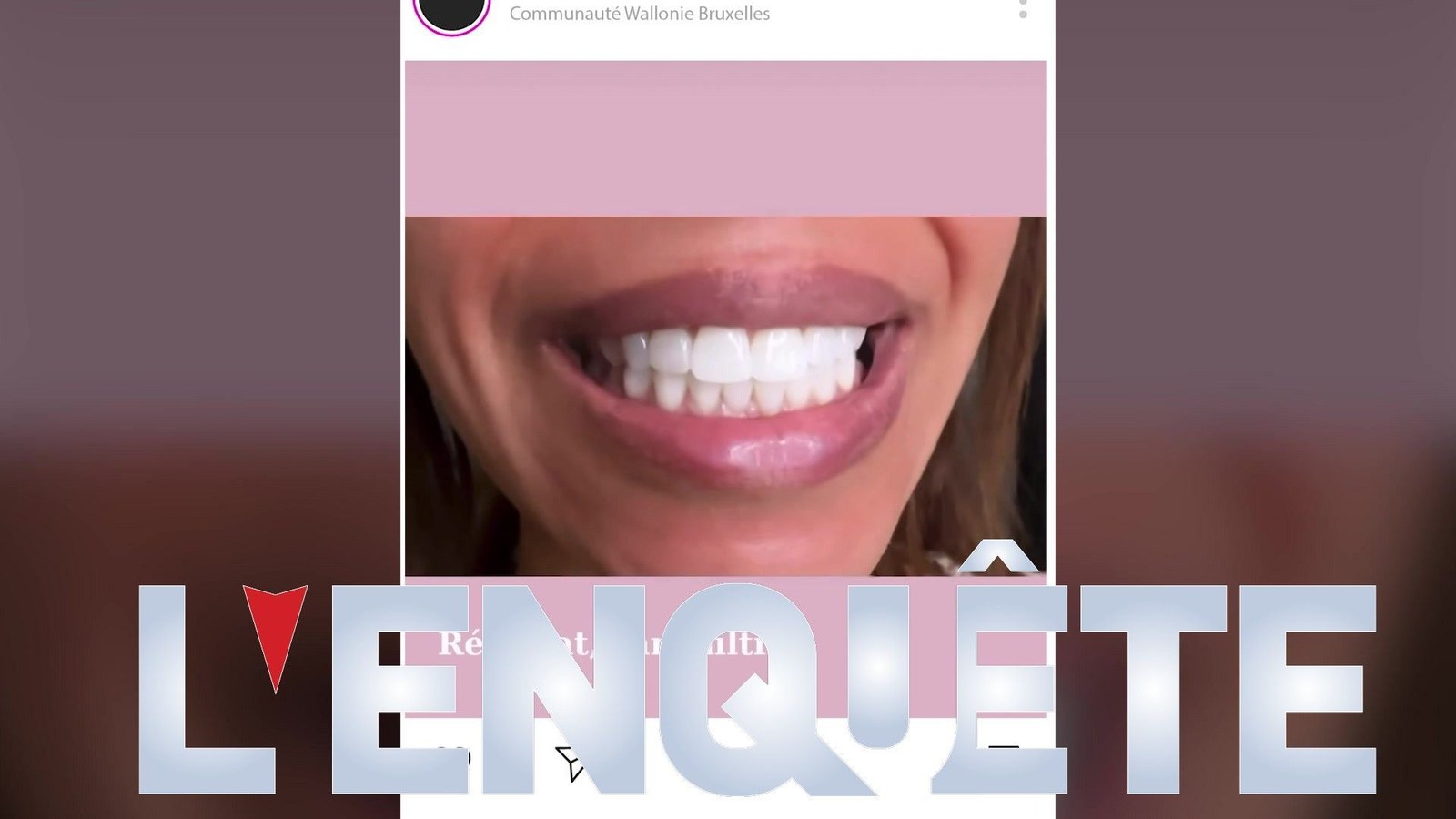
🦷 White teeth for 90 euros a session instead of 800 to 1,000 euros at the dentist: that is what many beauty salons and so-called smile bars in Belgium offer. An investigation by the public broadcaster RTBF shows that some of them use bleaching agents that have no place there. ⚖️ The rules are clear: products with up to 0.1 percent hydrogen peroxide may be used cosmetically, including by beauticians. Between 0.1 and 6 percent they are reserved for dentists and dental hygienists, and above 6 percent they are banned. A woman who treats clients at home told RTBF she uses 7, 10 or even 15 percent. A trainer who said 0.1 percent on camera admitted to 6 percent and more when called back by a reporter posing as a prospective student. 🩺 The consequences show in the case of a client named Sarah: painful sessions, white spots, burnt enamel and later damage inside a tooth that her dentist links to overly strong products. Her 180 euros turned into almost 1,500 euros in treatment. Belgium's public health service confirms its inspections have already found products over the limits.
🎓 **Training in a few hours.** Teeth whitening courses are everywhere online. Some cost under 100 euros and last one or two hours; others are held in person and cost between 350 and 1,000 euros including equipment. At one centre RTBF visited, the course lasts five hours and costs up to 850 euros; the trainer says she has trained 500 people. The certificate at the end is not officially recognised. The courses are marketed as a side income: the trainer herself started that way, practised on friends and family and now gets about ten requests a day, she says.
🧪 **Why 0.1 percent barely works.** Dental hygienist Jade Hetroy, who trained for three years, doubts that 0.1 percent can produce the results some salons advertise; that is the amount found in whitening toothpaste, she says. This is the heart of the problem: the permitted strength has little visible effect, and anyone selling visible results is tempted to use stronger products. One practitioner describes the trade as everyone cooking up their own recipe, with their own products and methods.
🩻 **What happens inside the tooth.** Months after the treatment, Sarah's dentist found external resorption: bone cells mistake the tooth for bone and gradually break it down. He considers it a possible late effect of an overly concentrated bleach. The tooth has been saved for now but may later have to be replaced by an implant. Sarah does not know what concentration was used; her dentist believes it was well above 0.1 percent. Dentist Marc Nacar points out that whitening is a real treatment that requires checking teeth and gums first.
🔍 **What the authorities do.** The federal public health service SPF Santé publique says it regularly inspects beauty salons and their whitening products. Besides excessive concentrations, inspectors often find labelling faults on the syringes: no responsible person in the EU, no batch number, no ingredient list. Non-compliant products are taken off the market and a report is filed that can lead to a fine. Sarah's advice after her experience: go to the dentist, accept that it takes longer and costs more, and avoid the damage.