🏥 Asklepios bans camera smart glasses in its German hospitals
In brief
- 🏥 German hospital group Asklepios bans smart glasses with working cameras or recording functions, such as Ray-Ban Meta and Oakley Meta, in all its facilities.
- 🔒 Patients, staff and visitors should not be photographed, filmed or recorded without noticing.
- 📅 The rule has been in the house rules since August and was announced on 27 November.
- 🦯 Blind and visually impaired people who use the glasses as an aid can agree an exception with the clinic management.
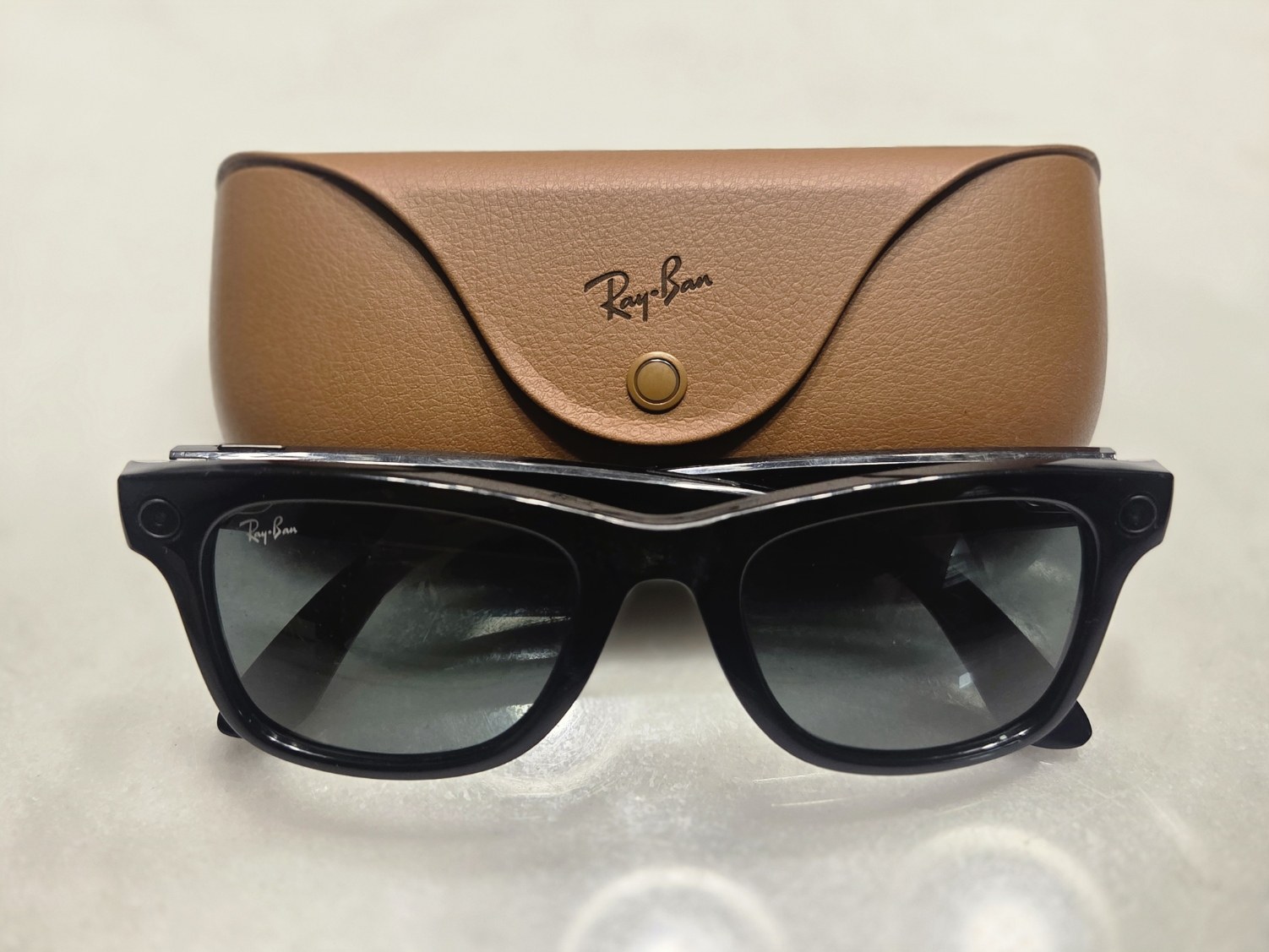
🏥 The Hamburg-based hospital group [Asklepios](https://www.asklepios.com) has banned smart glasses with working camera or recording functions on its clinic grounds. The ban has been part of the house rules since August and applies in principle in all of the group's facilities, the company said on Friday. It names glasses such as Ray-Ban Meta and Oakley Meta. Asklepios justifies the step with the particular situation in hospitals: patients are often physically or emotionally vulnerable there, and confidential conversations and treatments must be protected from unnoticed recordings. "Every patient must be able to stay with us free from the worry of unnoticed recordings," said group CEO Joachim Gemmel. 🔒 Exceptions are possible when blind or visually impaired people need the glasses as a recognised medical aid and the protection of others is ensured; this is agreed with the clinic management. There is no nationwide rule for such glasses in Germany so far.
💡 **The problem with the small light.** The glasses signal a recording with a small LED. Asklepios cites the September final report of Hamburg's Commissioner for Data Protection and Freedom of Information on the Ray-Ban Meta glasses and tests by the computer magazine c't: the status LEDs can easily be overlooked in bright surroundings or disabled altogether with stickers, special blockers and technical workarounds. Many people, the group adds, do not even know what a small light on an ordinary-looking pair of glasses means.
🔍 **What the Hamburg authority found.** The report by data protection commissioner Thomas Fuchs, covered by CORRECTIV in September, describes the white LED as the only recording signal and as "not easily recognisable" in many settings, especially outdoors and in sunshine. When wearers use the built-in AI, for example to translate a menu, the LED lights only faintly on the first-generation model and not at all on the second. If the light is covered during a video recording, the recording continues, according to the report, because the check happens only at the start.
⚖️ **The federal network agency disagrees.** In Germany, devices that look like everyday objects and are designed to record secretly are banned under section 8 of the Telecommunications Digital Services Data Protection Act; the Federal Network Agency is responsible. According to CORRECTIV, the agency considers the light "clearly recognisable" from up to five metres and sees no basis for a ban; it has not yet tested the second generation. In its view, the fact that the glasses can be manipulated is not enough for a ban.
📋 **What house rules and the law allow.** Asklepios relies on its right as owner of the premises: operators of places open to the public may prohibit the glasses and point this out with signs at the entrances. Under data protection law, the group says, there is usually no legal basis for filming or recording identifiable people, and in hospitals especially protected health data are involved. Secret recordings can also be a crime, for instance under section 201 of the German Criminal Code for the private spoken word or section 201a for images taken in specially protected rooms. The group said it would communicate the ban internally and externally and act consistently on violations.
🏊 **Hamburg and others follow.** In Hamburg the governing Social Democrats and Greens and the Left party want to keep the glasses out of parts of public life, for example municipal swimming pools and, according to Asklepios, buses and trains. FC St. Pauli added a ban to its stadium rules at the end of October, and Potsdam has prohibited the glasses in pools and saunas.