🛡️ Report: Pentagon weighed a wartime law to push Nvidia to bring Huang back
In brief
- 🛡️ Pentagon leaders discussed the Defense Production Act as leverage over Nvidia's board, the Washington Post reports.
- 👤 Secretary Pete Hegseth and deputy Steve Feinberg are named; the aim was Jensen Huang's return as CEO.
- ⚖️ The law does not allow personnel changes at private companies.
- 📰 A Pentagon official denies that the leadership proposed it.
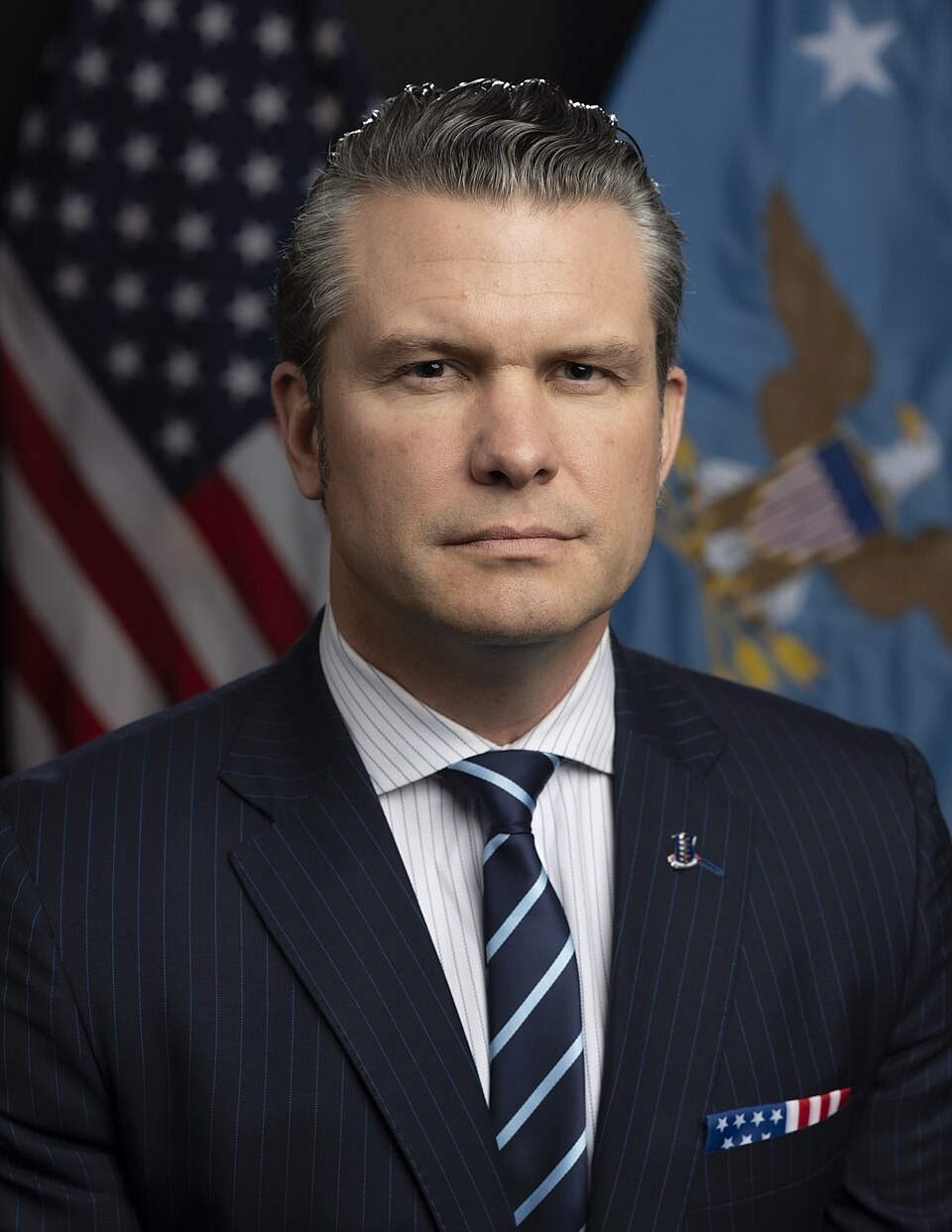
🛡️ Leaders of the US Defense Department weighed using the **Defense Production Act** so that Jensen Huang would regain his job as Nvidia's chief executive, according to the Washington Post. The report names Defense Secretary Pete Hegseth and his senior deputy, Steve Feinberg. The law was meant to serve as leverage over the chipmaker's board, not to increase the supply of an essential product. ⚖️ The Defense Production Act lets the president prioritize production and supplies needed in war or national emergencies. It does not let him change who works in a private company's top jobs. A Pentagon official denied the account, saying that neither the secretary nor the deputy secretary nor an under secretary made such a proposal. Huang has since been reinstated.
🏭 **How the pressure could have worked.** A Trump administration official told the Washington Post the law could be used to force Nvidia to shift production to less profitable military projects. The lever would therefore not have been a direct order about the chief executive but the business cost such an intervention would carry for the company. The reports reviewed here do not say that the law was actually invoked or that Nvidia was threatened with it.
📅 **Timing.** In the newspaper's account, the idea came up over the weekend when senior administration members were huddling to discuss Nvidia, before Huang got his job back. Nancy Cook, who shared the Post's report on X, wrote that officials were working on a plan and argued that the matter related to national security. The account rests on unnamed sources. We could not read the original story; this article follows the Jerusalem Post's summary of it and the overview on Techmeme.
📜 **The law.** The Defense Production Act dates from the Cold War but has often been used outside wartime:
- In Trump's first term it was invoked during the COVID-19 pandemic to classify certain health supplies as critical, to prohibit hoarding and prioritize their production.
- Trump later used it to prompt companies including General Motors to make ventilators.
- Joe Biden turned to it over a shortage of fire hoses during the 2021 California wildfires.
- In 2022 he used it to raise baby formula output during a shortage.
Each of those cases concerned goods in short supply. At Nvidia, by the report's account, the goal would have been a leadership decision.
🏛️ **The White House role.** The report adds to other accounts of the government's involvement. Reuters, citing people familiar with the matter, reported that President Donald Trump and Vice President JD Vance stepped in personally after being convinced that Huang was the only person protecting open-weight AI models. The New York Times reported that over the weekend Trump asked Vance to speak with Huang directly and to work with Nvidia's board on a resolution.
🤝 Vance then held private talks with Huang and helped give directors assurances that the administration did not consider the executive a national security threat. Only a small number of senior government officials knew about those conversations.
❓ **Still open** is how far the Pentagon discussion went and whether the board ever heard of it. Against the report stands the Pentagon official's explicit denial.