⚖️ Netanyahu demands end to trial after judges question the charges
In brief
- ⚖️ At a Jerusalem hearing on Wednesday, judges recommended dropping one of the three corruption cases against Benjamin Netanyahu.
- They advised reconsidering a second case and settling the third by agreement.
- Netanyahu, now caretaker prime minister, demands an immediate end to the trial; allies back him.
- The attorney general says she will consider the recommendations and is ready for a verdict or a plea deal.
⚖️ Israel's caretaker prime minister Benjamin Netanyahu on Wednesday demanded an immediate end to his corruption trial. Earlier, judges at a hearing in Jerusalem had questioned the charges: according to Israeli media cited by AFP, they recommended dropping one of the three cases, reconsidering another and resolving the third through an agreement. On the bribery charge in Case 4000 they indicated there was little chance of a conviction. Attorney General Gali Baharav-Miara said she would consider the recommendations. Netanyahu is fighting for his political survival after the inconclusive elections of October 27.
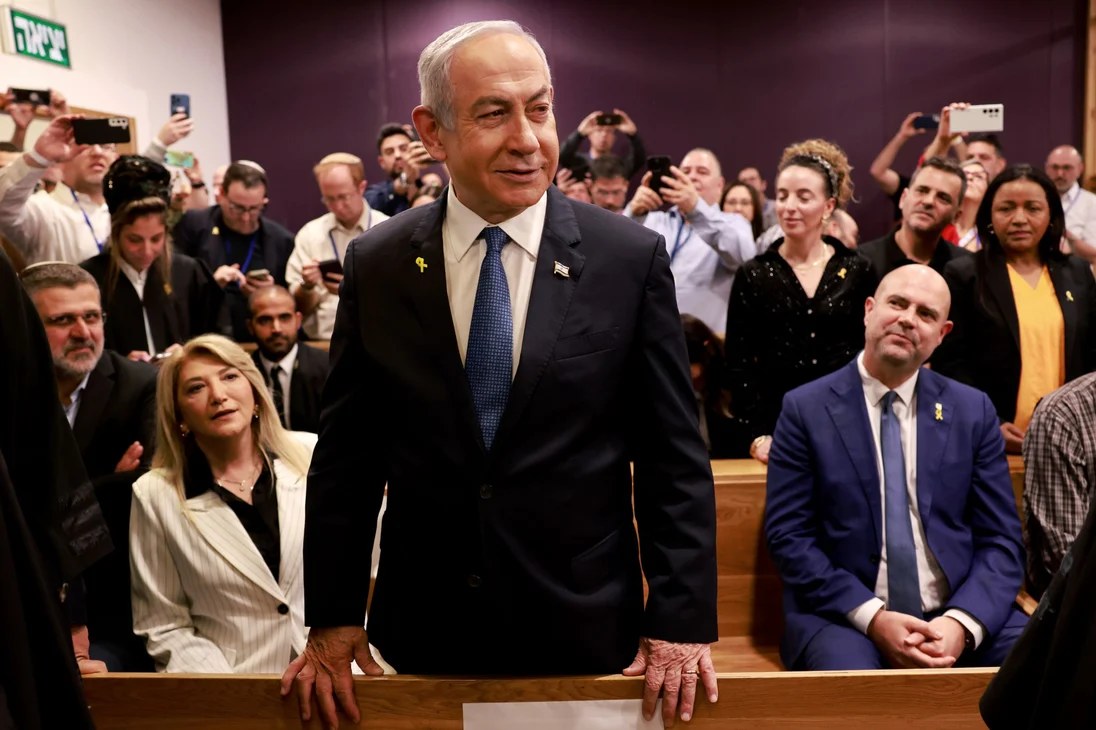
The hearing took place in Jerusalem on Wednesday. In an unusual move, the judges summoned Attorney General Gali Baharav-Miara to attend. She said she would consider their recommendations and was prepared for either a verdict or a plea deal. Everything about the content of the recommendations rests on Israeli media reports relayed by AFP; we did not have a court record.
**The three cases**
- **Case 4000** is regarded as the most serious. Netanyahu is accused of bribery, fraud and breach of trust. Prosecutors allege he offered regulatory favors to the telecoms company Bezeq in exchange for favorable coverage on the Walla news site, negotiating with Bezeq's controlling shareholder Shaul Elovitch. Judge Rivka Friedman-Feldman was quoted by Israeli media as saying there were "considerable difficulties" in proving the bribery charge. The judges indicated a conviction looked unlikely, and they recommended dropping the case.
- **Case 2000**: fraud and breach of trust. Netanyahu allegedly negotiated with the owner of the newspaper Yedioth Ahronoth for favorable coverage and, in return, raised the possibility of legislation to limit the circulation of Israel Hayom, a free paper and Yedioth's main rival. The judges questioned whether his actions amounted to criminal conduct and recommended reconsidering the arguments.
- **Case 1000**: fraud and breach of trust over alleged luxury gifts, including cigars, champagne and jewelry, from wealthy individuals in exchange for financial or personal favors. The judges recommended that the parties reach an agreement to conclude it.
**The reaction**
In a televised statement at parliament, Netanyahu spoke of "ten years of terrible suffering" for himself and his family and asked who would give those years back. The trial, he said, must end immediately, and the "fabricated cases" were falling apart. He has long denied wrongdoing and calls the cases a politically motivated plot. Defense Minister Israel Katz, a member of the caretaker government, wrote on X that after years of persecution it was time to end a trial that was flawed from the outset. Netanyahu's right-wing allies broadly welcomed the recommendations.
**The political backdrop**
The trial began in May 2020, and Netanyahu is the first sitting Israeli prime minister to stand trial. After the inconclusive elections of October 27, his main rival Gadi Eisenkot was asked to form a government. If Netanyahu loses the premiership, he could also lose the leverage that helps him avoid a possible prison sentence, AFP notes. As coalition talks run, Eisenkot's allies in parliament are already trying to roll back parts of the judicial overhaul proposed during Netanyahu's latest term, which critics said would weaken the courts. US President Donald Trump had urged President Isaac Herzog to pardon Netanyahu.
What remains open is whether prosecutors and the defense follow the recommendations: the attorney general has not committed, and whether the court actually drops the cases or the parties reach a deal is still to be seen.