🇦🇺 Australia set to pass digital duty of care law with fines up to 5% of global revenue
In brief
- 🇦🇺 Labor and the Greens struck a deal on the digital duty of care law; the Senate is expected to pass it on Wednesday.
- Platforms must reduce foreseeable online harm proactively, including games, apps and AI chatbots.
- The maximum penalty rises from A$109 million to 5% of global revenue.
- People gain a right to sue; the US government and the Liberal opposition object.
🇦🇺 Australia's government on Tuesday struck a deal with the Greens on a law that requires tech companies to reduce foreseeable online harm proactively. Breaches could cost up to 5% of a company's global revenue, instead of the A$109 million (US$72 million) first proposed. People would be able to sue platforms directly and switch off algorithmic feeds. The Senate is likely to pass the bill on Wednesday and the House of Representatives before Parliament rises on Thursday. The US administration warns it will lead to censorship of lawful speech. ⚖️
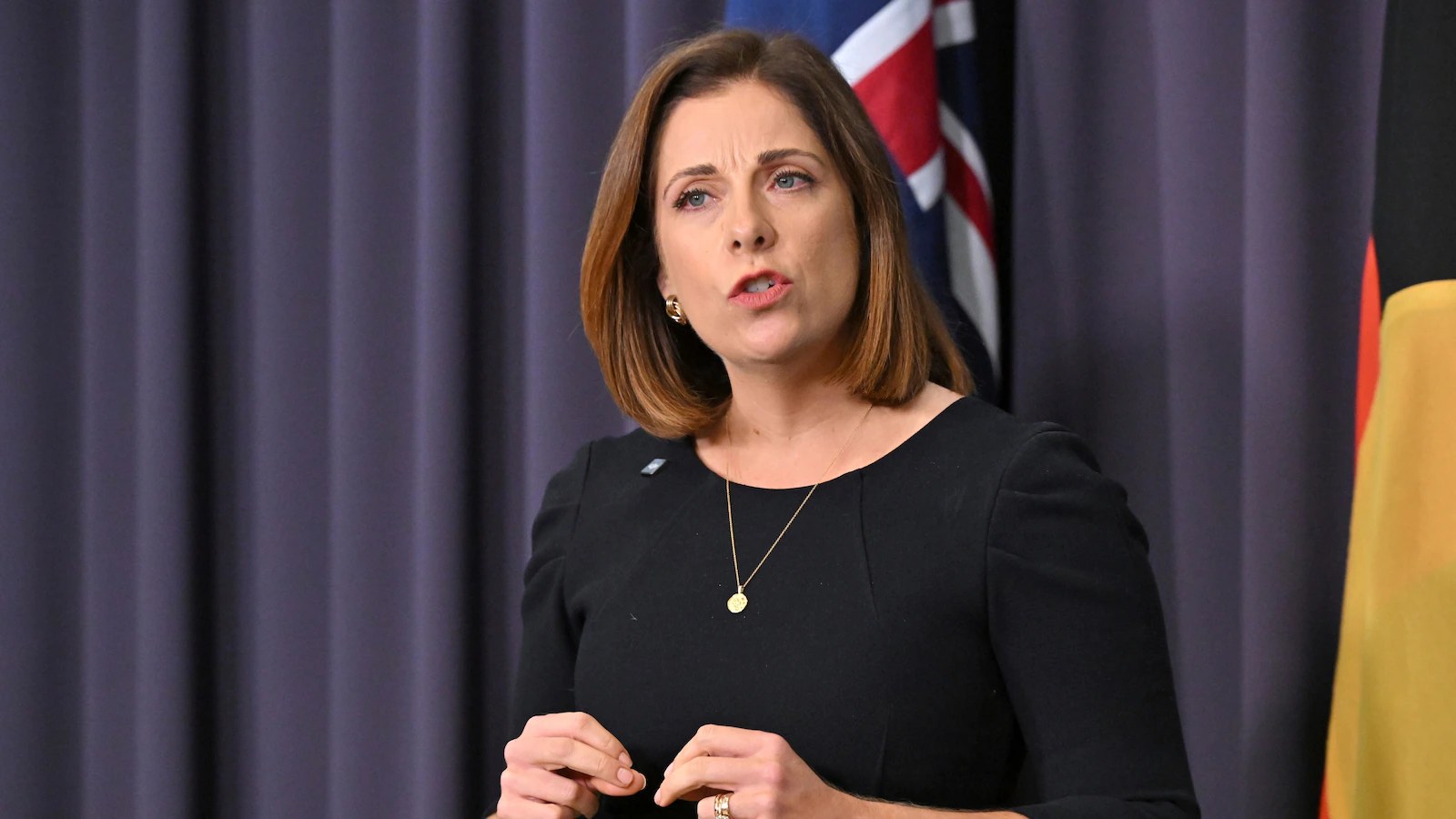
**What the law requires.** The Digital Duty of Care Bill obliges big platforms to reduce the risk of harm before it occurs. It sets minimum safety standards for online services, including games, apps and AI chatbots. Children must be protected from content promoting eating disorders, hostile ideas about women, pornography, crime or dangerous stunts, or causing serious mental health distress. Adults are to be better shielded from serious harms such as threats of violence, stalking and non-consensual sharing of intimate images. Communications Minister Anika Wells said: "if you build it, you are responsible for its risks".
**What the Greens secured.** The government accepted the Greens' amendments to get the bill through the Senate, where no party has a majority. They lift the maximum penalty to 5% of a company's global revenue and add a "private right of action": Australians could sue social media companies for harm suffered online. Until now the country has relied largely on the eSafety Commissioner, and individuals seeking compensation must navigate largely untested routes under negligence and consumer law. Wells expects such suits to be "fairly rare". Platforms must also weigh addictive design such as endless doomscrolling in the risk assessments they give the regulator, and the government gets rule-making powers to set up a digital complaints ombudsman for small claims later.
**What users get.** People aged 16 and over could switch off algorithm-driven feeds and see only content from accounts they follow. The regulator could have apps and websites removed that fabricate naked images from genuine photos of people.
**The opposition.** The US administration voiced "serious concerns" in September to a parliamentary committee, including over how "foreseeable harm" would be defined. US Ambassador David Brat said vaguely defined harms backed by penalties of up to 5% of global revenue would push platforms to censor lawful speech, and said he had told Wells so on Tuesday. She acknowledged "points of difference" that are being ironed out. The Liberal opposition also opposes the bill: senior senator Sarah Henderson said it undermines both online safety and freedom of expression, because ministers and the watchdog would judge what is harmful. Greens leader David Shoebridge said the law takes power back from "billionaire-owned, largely U.S. corporations".
**The comparison.** The bill is similar to the EU's Digital Services Act of 2022 and the UK's Online Safety Act a year later. Lisa Given, an information sciences expert at RMIT University in Melbourne, called the draft "very good" and largely in line with European laws.