🛂 Polish MP Sterczewski refused entry to Israel, held overnight and flown back to Warsaw
In brief
- Polish MP Franciszek Sterczewski was held at Ben Gurion airport on 22 November and sent back to Warsaw on 23 November.
- He had planned to meet Palestinian farmers in the West Bank who report attacks by settlers, together with other European parliamentarians.
- According to Poland's foreign ministry, Israel cites his participation in the Sumud flotilla; participants are said to face a five-year entry ban.
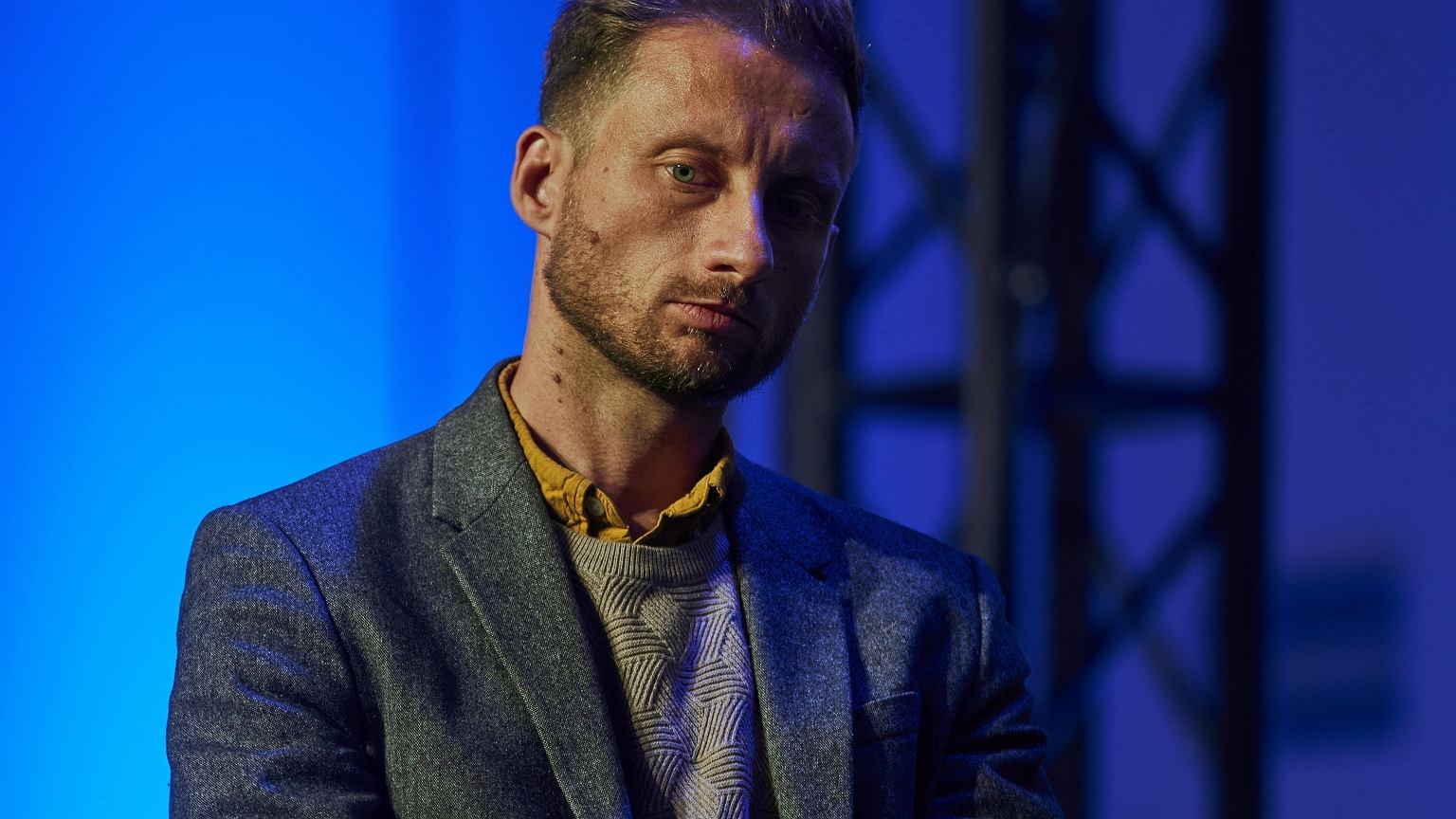
Franciszek Sterczewski, a member of the Civic Coalition in the Polish Sejm, flew to Israel on Sunday, 22 November, and was stopped at passport control at Ben Gurion airport. By his own account he was questioned three times, his passport and phone were taken, and he spent the night in a cell. On the morning of 23 November he was escorted onto a plane to Warsaw, where he landed around 2 pm. Sterczewski says he was part of a parliamentary delegation that wanted to document the situation of Palestinians in the West Bank. Poland's foreign ministry says the MP did not tell the embassy about the trip. According to the Israeli foreign ministry, the reason is his earlier participation in the Sumud flotilla; participants are subject to a five-year entry ban.
Sterczewski describes events in an interview with the newspaper Gazeta Wyborcza, which Gazeta.pl reproduces. He says he wanted to travel to the West Bank with other European parliamentarians, where for months Israeli settlers have been attacking Palestinian villages, setting property on fire and destroying harvests. The group had been told that settlers were uprooting olive trees on a large scale during the harvest, and meetings with farmers and with people being driven out of their villages had been arranged. He does not name the other parliamentarians' countries, saying it would endanger their mission.
According to him, he had filled in the online ETA-IL form before departure, which is required for entering Israel but does not guarantee entry. Foreigners may need a separate permit from Israeli authorities for the West Bank; his colleagues were to receive those papers only in Israel. He says the customs officers did not know the purpose of the trip and he did not disclose it. They did know that he is a Polish MP.
On the questioning, Sterczewski says the first officer asked why he had come and whom he knew, and that the later interviews were more aggressive. The last interviewer, a judge, shouted at him and accused him of being an antisemite because she had found pro-Palestinian statements of his online. He replied that he has taken part for years in the daffodil campaign commemorating the Warsaw Ghetto uprising. He says he was never given a reason for the detention. He was placed in an eight-person cell, received a sheet, a towel, a sandwich and tea, and did not sleep. The embassy duty officer told him by phone during the night that it could not help, because Israel decides whom it admits. He got his phone back at the airport and his passport only after landing in Warsaw. Before departure he wrote on X that it was an attempt at censorship and intimidation. Israeli officials had not commented in the reports; Gazeta.pl said it was still waiting for answers from the Israeli embassy in Warsaw.
The Polish foreign ministry disputes the account only in part. Spokesman Maciej Wewiór said the MP had not informed the embassy about the trip; once the ministry learned of the incident, the consul acted during the night, contacted him and the Israeli authorities and gave consular help. Every state decides who may enter its territory. According to the Israeli foreign ministry, the reason is Sterczewski's participation in the Sumud flotilla, which tried to bring aid to the Gaza Strip in October 2025. He was detained by Israeli forces at the time, refused to sign a declaration of voluntary deportation and was deported to Athens on 6 October 2025. Israel says participants in the flotilla are barred from entering for five years.
Sterczewski has long criticised the Israeli government sharply, and Interia recalls his earlier calls for sanctions. Those positions are background, not verified facts of the incident: the description of the interrogation and the conditions in custody comes from him alone.