⚖️ India's Supreme Court quashes early release of ex-MP Anand Mohan in 1994 killing case
In brief
- ⚖️ India's Supreme Court set aside the 2023 remission that freed Anand Mohan.
- 🔙 Hindustan Times reports he must surrender within a month.
- 📜 The case concerns the 1994 lynching of district magistrate G Krishnaiah.
- 👤 Krishnaiah's widow brought the challenge.
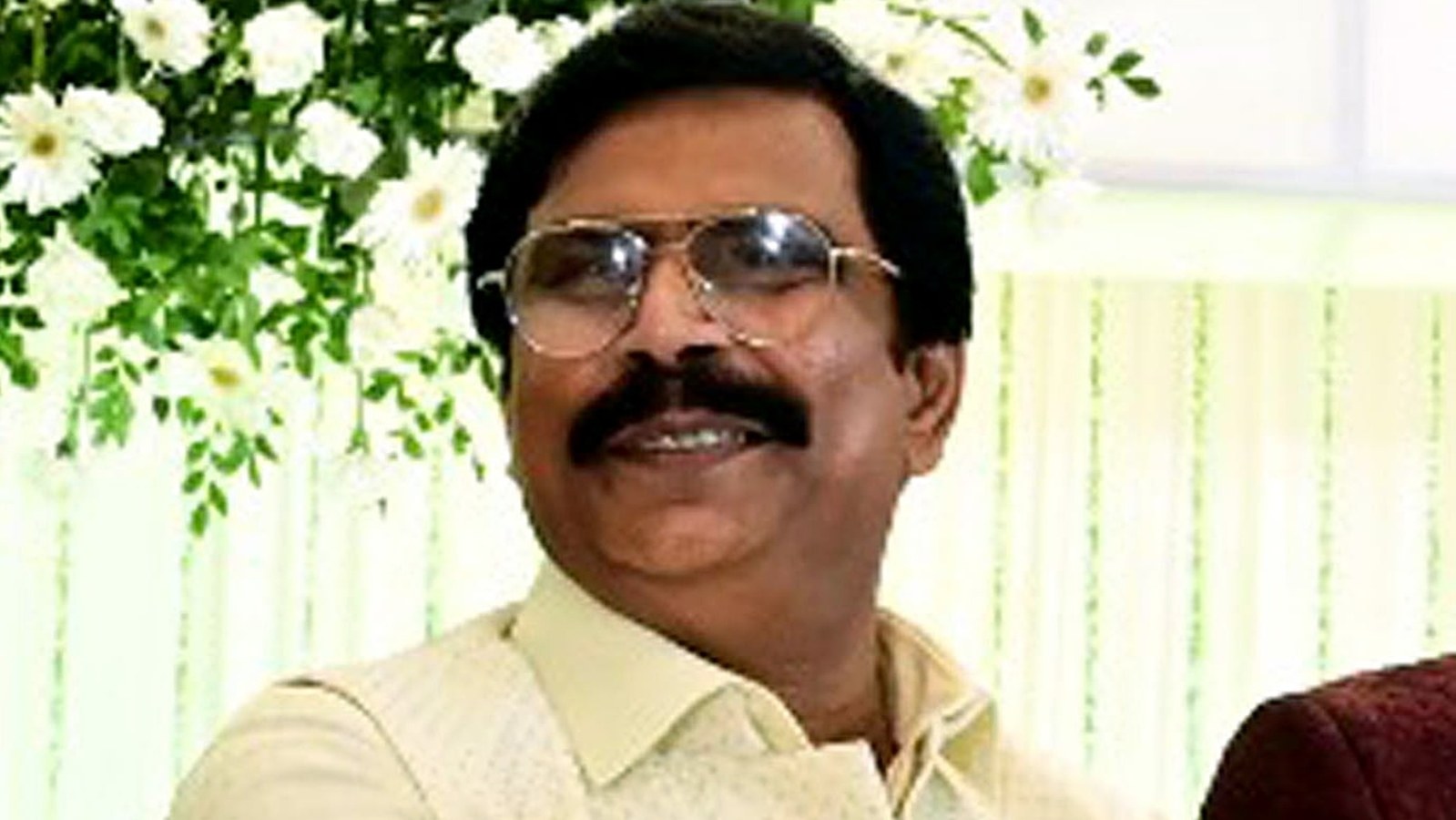
⚖️ India's Supreme Court on Thursday set aside the Bihar government's 2023 decision to grant remission to former MP Anand Mohan, who was convicted over the 1994 lynching of Gopalganj district magistrate G Krishnaiah. According to Hindustan Times, the bench directed him to surrender within a month. 📅 Krishnaiah's widow, Telugu Umadevi Krishnaiah, had challenged the release. The Times of India reports that the court found the April 10, 2023 amendment to the prison manual, which paved the way for his release, indefensible.
📜 **At the centre of the dispute** is a remission rule. Under the 2002 Bihar Prison Manual, a convict punished for the murder of a public servant was not eligible for premature release. The petition alleged that the state removed this bar on April 10, 2023 to facilitate Mohan's release on April 24. The Times of India reports the court said Bihar had failed to establish the rationale behind the change.
🕰️ **How the case got here:** A trial court sentenced Mohan to death in 2007. The Patna High Court commuted the sentence to life imprisonment in 2008, and the Supreme Court upheld that in July 2012. Justices Dipankar Datta and Sheel Nagu, who delivered Thursday's ruling, had reserved their orders in July.
🗣️ During earlier hearings the bench had sharply criticised the state, saying "every dice was loaded in his favour" to secure release for a crime it described as "rarest of rare". It told the government: "You do not bring about an amendment to facilitate any individual. Fourteen days after the amendment, he was released. There is something called rule of law in this country."
🔍 The widow's lawyers, Siddharth Luthra and Tanya Shree, accused the state of "selective disclosure" before the State Remission Board. They said details of Mohan's criminal antecedents and parole history were not produced, and that his age was given as 74 although his own 2023 affidavit to the court stated 67. The petitioner listed 32 criminal cases against him and two registered for offences inside jail, yet the checklist column for pending cases read "no cases".
📌 She also argued that the remission policy in force at the time of conviction governs life convicts, and that under the 2002 policy release could be considered only after 20 years. Because his death sentence had been commuted, she said, Rule 481(i)(c) of the 2012 prison manual also made him ineligible. The court had faulted the Remission Board too, for adopting the state's submissions; it said the board is meant to be neutral and had a duty to check for other pending cases.
🛡️ The other side disagreed. Mohan's lawyer, Dinesh Dwivedi, argued his client qualified after completing 14 years in prison and cited his lineage as the grandson of a freedom fighter. The state government said he had undergone 22 years of sentence, was in his 70s and considerable time had passed since the release order. The early reports do not set out the full reasoning of the written judgment.