🚰 Cholera in Abuja: capital territory activates its emergency operations centre
In brief
- 🚨 Nigeria's Federal Capital Territory (FCT) activated its public health emergency centre against the cholera outbreak on November 25.
- ⚠️ The administration confirms deaths but gives no death toll and no confirmed case count.
- 📊 Nationally, the disease control agency NCDC reports more than 65,000 suspected cases this year.
- 💧 Advice to residents: drink safe water, wash hands, and seek help at once for watery diarrhoea.
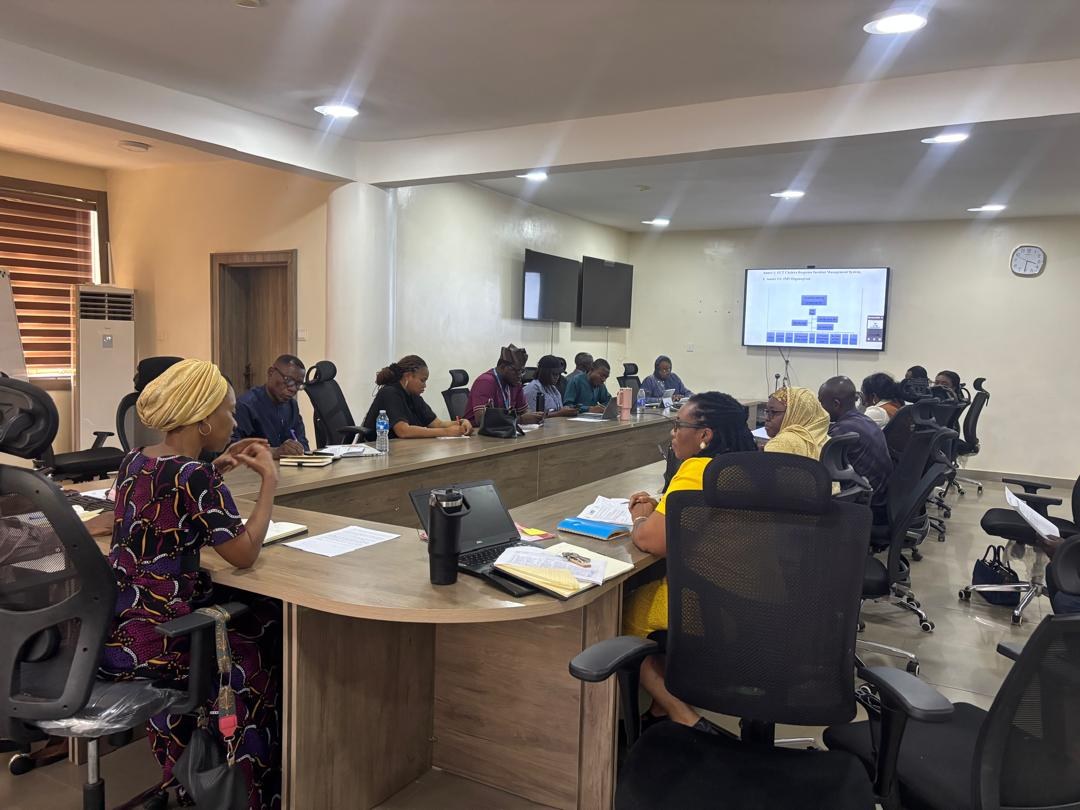
🚨 The administration of Nigeria's capital territory around Abuja (FCTA) has activated its Public Health Emergency Operations Centre to contain the ongoing cholera outbreak and prevent further infections and deaths. The activation took place on Wednesday, November 25, partly with the approaching Christmas season in view. ⚠️ The administration confirms that people have died in the territory. According to BusinessDay, it did not say how many have died or how many cases are confirmed. Only national figures are available: the latest report of the Nigeria Centre for Disease Control and Prevention (NCDC) shows more than 65,000 suspected cases this year. 💧 Anyone in the territory with sudden watery diarrhoea, with or without vomiting, is told to take oral rehydration solution at once, where available, and go to the nearest health facility.
🧭 The territory's state epidemiologist, **Dr Lawal Lukman Ademola**, now leads the effort. As incident manager he is to carry out the approved cholera action plan through a management system shared by several sectors. The director of public health, Dr Teresa Nwanchukwu, formally opened the centre, representing the head of the responsible Health Services and Environment Secretariat.
🤝 According to Voice of Nigeria, the meeting brought together the rural water supply and sanitation directorate, the territory's water board, the World Health Organization (WHO), UNICEF, Jhpiego, Pro-Health International and the Nigerian Red Cross Society. The organisations pledged support.
🔬 The list of measures runs from closer surveillance and active case searches through laboratory diagnosis, treatment and infection control to water, sanitation and hygiene. It also covers public information, community work, logistics and vaccination where necessary. The response is to be intensified in affected communities, while surveillance and prevention are to be strengthened in other areas considered at risk.
🧼 Residents are asked to drink water only from reliable sources and to boil or properly chlorinate it when its safety is uncertain. Officials also advise thorough handwashing with soap, especially after using the toilet and before preparing or eating food, along with well-cooked meals, sanitary toilets and proper waste disposal. Suspected cases can be reported to the incident manager on 09084000085.
📊 Other national figures exist, with different cut-off dates. Citing World Health Organization data, ThisNigeria reports 72,374 cholera cases and 467 deaths in Nigeria between January 1 and September 27, 2026. These numbers cover the whole country, not Abuja.
📅 In late August, NCDC director-general Dr Jide Idris said, as reported by [Daily Trust](https://dailytrust.com/cholera-cases-decline-but-outbreak-not-over-ncdc/), that cases had fallen significantly from their peak and that the share of fatal cases was considerably lower than a year earlier. He also warned that the outbreak was not over and that rain and flooding could raise transmission again. Most of the year's cases at that point were in the north-eastern state of Borno. There, the state's emergency operations centre had counted more than 38,500 suspected cases and 235 deaths by August 14, according to the vaccine alliance [Gavi](https://www.gavi.org/vaccineswork/nigeria-borno-state-wrestling-its-worst-cholera-outbreak-two-decades).
🩺 Cholera spreads through contaminated water or food. According to the [WHO fact sheet](https://www.who.int/news-room/fact-sheets/detail/cholera), most cases are mild or moderate and can be treated with a drink of salts and sugar. Untreated, severe diarrhoea can kill within hours, and such patients need intravenous fluids and antibiotics. How large the outbreak in Abuja is, and which communities are affected, remains open.
Sources
- FCT activates emergency response to contain cholera outbreak (BusinessDay)
- Cholera cases decline but outbreak not over — NCDC (Daily Trust)
- Nigeria's Borno State is wrestling its worst cholera outbreak in two decades (Gavi)
- FCT steps up cholera response as Nigeria records 467 deaths (ThisNigeria)
- FCT activates emergency centre to contain Cholera outbreak (Tribune Online)
- FCTA Activates Emergency Centre To Contain Cholera Outbreak (Voice of Nigeria)
- Cholera fact sheet (World Health Organization)