⚖️ India's Supreme Court closes plea on dead people's forgotten accounts without ordering a central database
In brief
- ⚖️ India's Supreme Court closed Sucheta Dalal's plea on 27 November without ordering a central database of unclaimed assets.
- 🏦 Measures by the government, the central bank RBI and regulator SEBI substantially address its concerns, the judges said.
- 💰 The government cites over 300,000 claims processed and Rs 6,453 crore returned.
- 🔎 Heirs still search banks, funds and insurers separately.
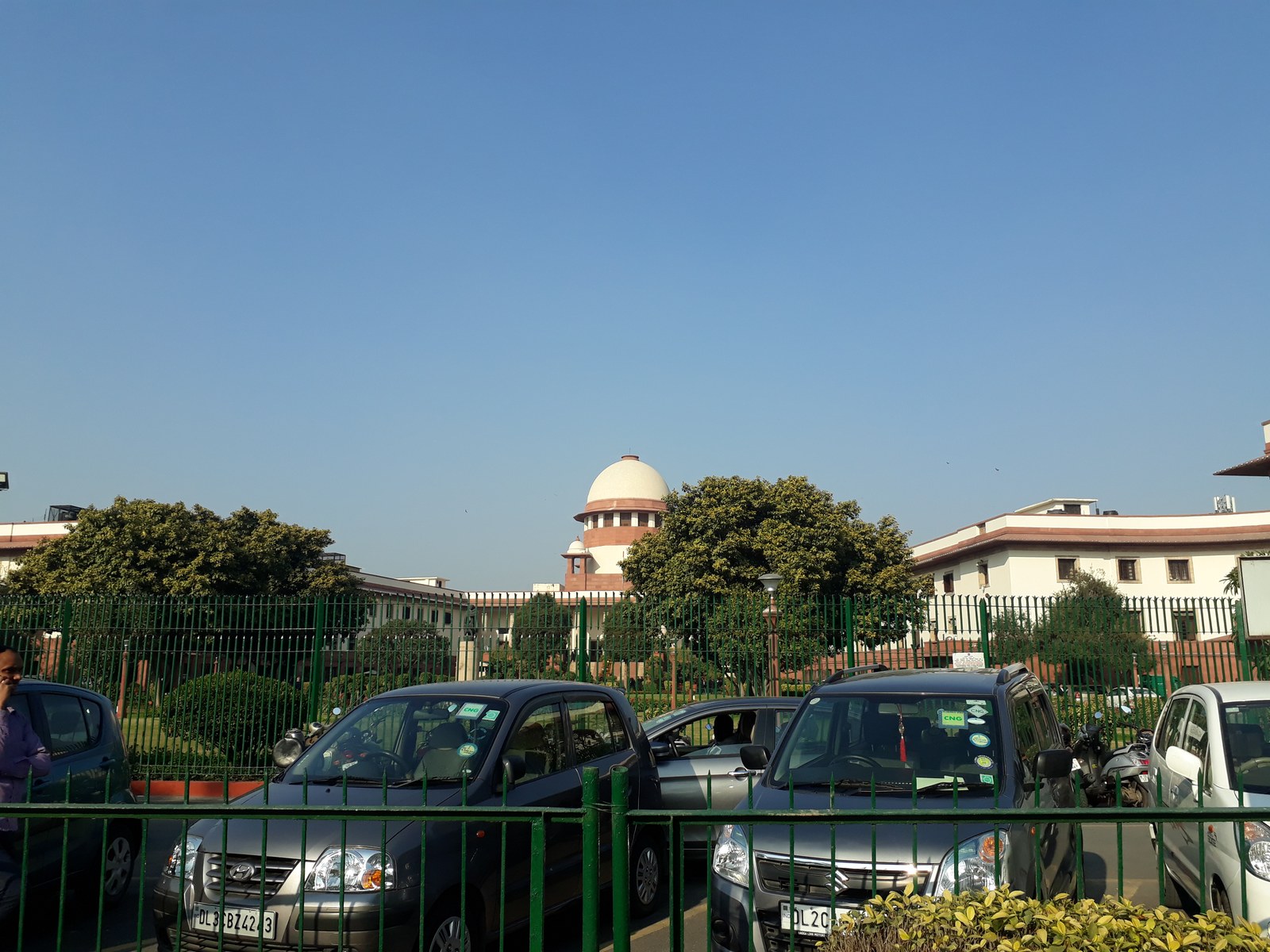
⚖️ India's Supreme Court on Friday, 27 November 2026, closed a case running since 2022 over unclaimed financial assets. Financial journalist Sucheta Dalal had asked the court to make the government and the central bank build a central online database where heirs could find the bank accounts, securities, insurance policies and provident fund accounts of deceased relatives. Justices Vikram Nath and R Mahadevan ruled that the measures taken by the authorities have "substantially addressed" the petition's principal concerns and that keeping the case open for further monitoring would serve no useful purpose. 🏦 The court therefore did not order a single search across all asset types. It took on record the statements and assurances of the government, the Reserve Bank of India (RBI) and the Securities and Exchange Board of India (SEBI) and said it expects them to keep improving the accessibility, efficiency and transparency of their mechanisms. The government had told the court that more than 300,000 claims had been processed by March 2026, with only ten per cent pending, and that assets worth Rs 6,453 crore (about 64.5 billion rupees) had been returned to their rightful owners by 18 April. The bench praised the petitioner for pursuing the case not for personal benefit but for countless depositors, investors and their heirs. 💰 For families this means: they keep searching the separate portals of each regulator, and take any specific grievance to the competent authority.
📂 **What the case was about.** The petition (Sucheta Dalal v. Union of India, filed in 2022) covered four kinds of assets: bank deposits, securities, insurance policies and provident fund accounts. When someone dies and the family does not know an account exists, the money eventually moves into state-run pools: bank balances untouched for ten years go to the RBI's Depositor Education and Awareness Fund (DEAF), unpaid dividends and shares to the Investor Education and Protection Fund (IEPF). Dalal's counsel Prashant Bhushan asked for a database under RBI control where one enters a deceased person's name and sees accounts, address and last transaction across institutions. Dalal is the managing editor of the personal finance magazine Moneylife, which followed the case closely.
🗣️ **What the authorities argued.** At the last hearing on 17 November, Additional Solicitor General N Venkataraman, for the Ministry of Corporate Affairs, pointed to disclosure duties under the Companies Act and the IEPF Authority's portal. The government also cited the nationwide "Your Money, Your Right" campaign of October to December 2025 and the Banking Laws (Amendment) Act 2025, which allows up to four nominees per bank account. The RBI's counsel pointed to its UDGAM search portal: 30 banks have joined, which makes about 90 per cent of unclaimed deposits searchable. SEBI cited its MITRA portal, which helps investors, nominees and heirs trace forgotten mutual fund holdings.
⚠️ **The gap that remains.** Bhushan argued that none of this solved the core problem: on UDGAM a claimant in practice has to know which bank the deceased used, and for insurance policies no effective search exists at all. The RBI replied that users can select all participating banks at once. A single name search across banks, funds, insurers and pension accounts still does not exist. In earlier hearings the court had also weighed the risks of an open database, such as privacy and fraudsters posing as heirs.
📊 **The scale.** Moneylife put unclaimed assets in bank deposits, insurance, mutual funds, shares and dividends at more than Rs 1.08 lakh crore (over one trillion rupees). Public sector banks alone had transferred more than Rs 58,000 crore to the DEAF by March 2025. Against that, the Rs 6,453 crore returned is a small share.
🔎 **What heirs and savers can do.** For bank money, UDGAM is the first step: register with a name and mobile number, enter the account holder's name, pick one or all banks, and narrow the search with PAN, driving licence, voter ID or passport number or date of birth. A match gives a reference number, but payment comes only from the bank itself, at a branch with KYC documents, with interest where it applies. Mutual fund holdings are traced through MITRA, shares and dividends through the IEPF Authority. Anyone stuck with a specific claim should, according to the ruling, go to the competent authority.
Sources
- RBI's UDGAM Portal Helps Trace Unclaimed Bank Deposits, Know - How To Search And Claim Your Money (Free Press Journal)
- Over ₹1 Lakh Crore in Unclaimed Financial Assets: Supreme Court Reserves Order on Sucheta Dalal's Plea for Single Database (Moneylife)
- Unclaimed financial assets: Supreme Court says authorities have addressed key concerns (The Hindu BusinessLine (PTI))