🩺 Mpox cases rise in the Americas as PAHO calls for stronger surveillance
In brief
- 🩺 PAHO urges countries to strengthen surveillance, laboratories and prevention
- 📈 Cases have risen since epidemiological week 39, mainly in Brazil
- 🧬 Clade Ib is increasingly being detected in the region
- 📊 So far in 2026: 3,269 confirmed cases and four deaths in 13 countries
- 💉 Vaccination is recommended for high-risk groups
🩺 The Pan American Health Organization (PAHO) is urging countries in the Americas to strengthen surveillance, laboratory capacity and prevention, including vaccination, because mpox is surging in several of them. Its epidemiological alert of 24 November points to rising case numbers since epidemiological week 39 of 2026, primarily in Brazil, and to growing detection of the virus variant clade Ib. 📊 From January to November 2026, 13 countries reported 3,269 confirmed cases and four deaths. The disease continues to affect men who have sex with men disproportionately.
🇧🇷 **Where the rise is.** Brazil accounts for 1,325 cases so far in 2026, including one death, with numbers climbing since September. For scale, 31 countries and territories in the Americas have reported 76,084 cases and 202 deaths since 2022.
🎗️ **Who is most at risk of dying.** HIV status was known for 114 reported mpox deaths. Of those, 111, or 97%, were among people with HIV.
🔬 **What authorities are asked to do.** PAHO wants stronger epidemiological and genomic surveillance so that cases are detected and investigated in time and changes in how the virus spreads are tracked. It also asks for reinforced, targeted prevention and control measures, including vaccination, particularly for populations at increased risk.
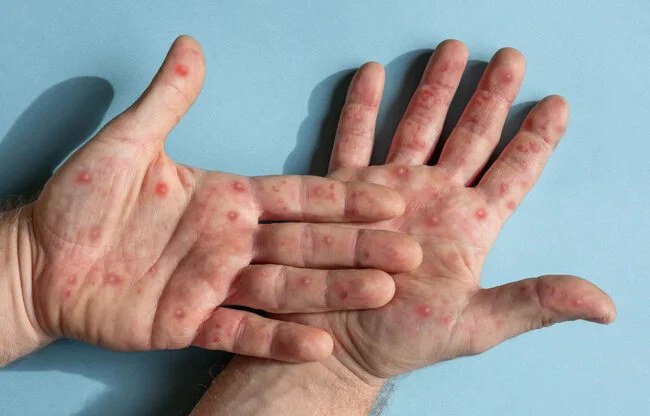
🤝 **Spread and symptoms.** Mpox is caused by the mpox virus. It can pass through close physical contact with an infected person, including skin-to-skin and intimate contact, and through contaminated items such as clothing and bedding. Common signs are a rash or lesions, fever, headache, muscle and back pain, fatigue and swollen lymph nodes. The rash can appear on the face, hands, feet, genital and anal areas, and inside the mouth or throat.
💉 **What individuals can do.** Anyone with an unexplained rash or other matching symptoms should seek medical advice and testing, especially after close contact with someone who may be infected. Vaccination is recommended for high-risk groups according to each country's situation. Travellers in higher-risk groups are advised to get vaccinated before visiting areas with active transmission. The vaccine adds to other precautions and does not replace them.
🌍 **The background.** The World Health Organization (WHO) declared mpox a Public Health Emergency of International Concern on 14 August 2024 and lifted that status on 5 September 2025, after the global impact had fallen and surveillance and response had improved. According to PAHO, the end of the emergency did not mean the risk was gone: the virus is still circulating, different clades are being detected in several regions and new transmission patterns are emerging. The latest alert is a reminder to stay prepared and to respond to cases quickly.