🏛️ Brazil lists former DOI-Codi torture centre in Rio as national heritage
In brief
- 🏛️ Brazil's heritage institute Iphan approved the definitive listing of the former DOI-Codi building in Rio on 26 November.
- ⚖️ Prisoners were systematically tortured there under the military dictatorship (1964–1985); congressman Rubens Paiva was killed there.
- 🔒 The building may not be demolished or altered in a way that erases its former function.
- 🪖 It stands on the grounds of an army battalion that is still based there.
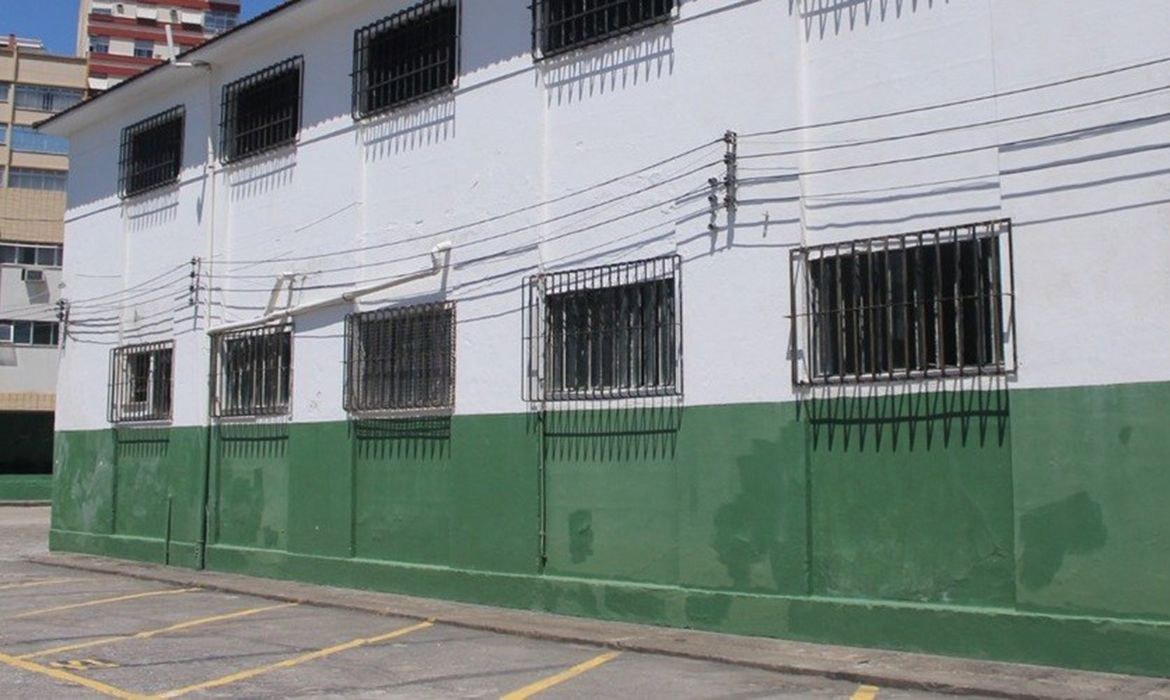
🏛️ Brazil's National Historic and Artistic Heritage Institute (Iphan) on Thursday, 26 November, approved the listing of the building that housed the DOI-Codi in Rio de Janeiro during the military dictatorship, an army intelligence and repression unit. The state news agency Agência Brasil reported the decision. The building is recognised as national heritage explicitly to preserve truth and memory of the 1964 to 1985 dictatorship. ⚖️ The building stands in the Tijuca district, behind the 1st Army Police Battalion on Rua Barão de Mesquita; the battalion is still based there and from 1970 also hosted the DOI-Codi. According to the findings of the National Truth Commission, former congressman Rubens Paiva was killed here after being arrested and tortured. 🔒 The listing prevents the building from being demolished or remodelled in ways that would hide its function during the years of repression. Victims' families have demanded a memorial on the site for decades; the decision is a step towards it, but not yet a decision on a memorial.
📜 **A process of more than ten years.** The federal prosecution service (Ministério Público Federal, MPF) filed the request in 2013 together with the Truth Commission of Rio de Janeiro state. In January 2025 the MPF urged Iphan to give the case priority. In May 2026 the institute ordered provisional protection, which already worked like a definitive listing once it was published in the official gazette. With Thursday's decision the building will now be entered in the Livro do Tombo, the register of protected national heritage.
🧱 **What the dossier describes.** According to Iphan's account, which matches the MPF's investigations, the building was specifically altered to make crimes easier: separate entrance doors kept prisoners from being officially registered, and cells such as the notorious "Maracanã" were designed to isolate and torture detainees outside any law. Former political prisoners described electric shocks, the "parrot's perch" (pau de arara), near-drowning and severe beatings. Many victims died; survivors were left with lasting physical and psychological harm.
🪖 **Testimony from soldiers.** The investigation also drew on statements by military personnel who had served in the unit. They testified that orders for arrests and interrogations were often given only verbally and without any court warrant. For Iphan this confirms the clandestine nature of the operations; the institute calls the building a symbol of the state's repressive apparatus, not just a military building.
🗣️ **Not the only site, says the rapporteur.** Council rapporteur Cristina Meneguello said, according to Agência Brasil, that the listing must not be understood as a "sufficient example" that leads to new requests for other dictatorship sites being turned down. She sees the decision as opening the way to recognising further places of repression.
🕯️ **What remains open.** A memorial inside the building is so far only a possibility that Iphan and the MPF describe as symbolic reparation; the listing alone does not decide how the building is used. The site still belongs to the army. According to reports from May, the army then asked for more time to respond and objected that the area to be protected was larger than planned. How it responds to the definitive decision is not yet known. In May the commander of the 1st Military Region, Giovani Moretto, said the area also covered parts essential to the battalion's operations. The site also became known internationally through the feature film "Ainda Estou Aqui" (I'm Still Here) about Rubens Paiva's family, which won the 2025 Oscar for best international feature.