🚜 Farmers march in Brussels against EU plans to cut farm budget by more than 20 percent
In brief
- 🚜 European farm and cooperative groups have called a march and flash action in Brussels today
- 💶 Organisers say proposals would cut the Common Agricultural Policy (CAP) budget by over 20%
- 🏛️ EU leaders are meeting on the 2028–2034 budget at the same time
- 📍 Gathering from 2 pm at Place du Luxembourg, march from 2.30 pm
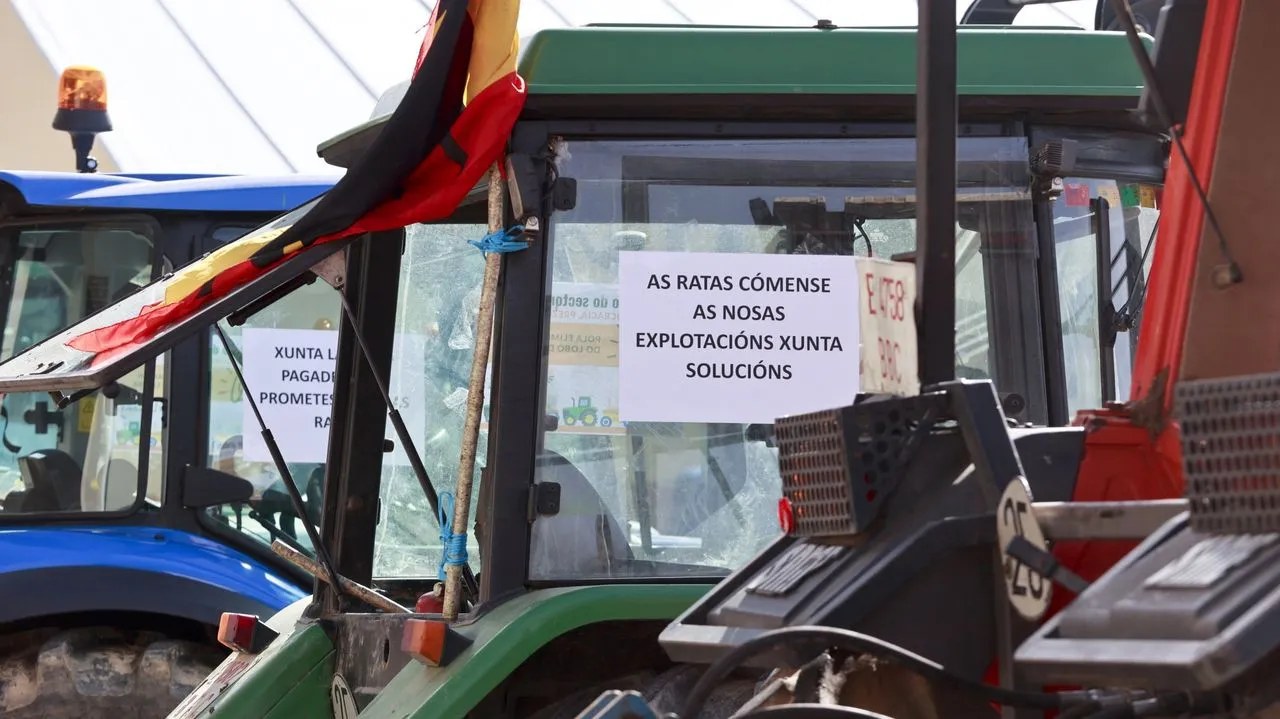
🚜 European farm and agri-cooperative organisations have announced a symbolic march and flash action in Brussels today, 26 November, as EU leaders meet to discuss the 2028–2034 budget. The organisers, FWA and Copa-Cogeca, oppose proposals that, they say, would cut the budget of the Common Agricultural Policy (CAP) by more than 20%, fold it into a single fund and renationalise a policy designed to be common. ⚖️ For farms, the stakes are the framework for EU agriculture up to 2034. Marching under the slogan “Hear the alarm!”, the groups want to show that many in the sector feel they have reached a breaking point.
📍 **The plan for the day.** Participants gather from 2 pm on Place du Luxembourg. The march is due to leave at 2.30 pm for the European quarter and end at a designated free-expression area. The flash action and speeches by representatives of the sector are scheduled there between 3.30 and 4.30 pm. FWA and Copa-Cogeca organise the event, with logistical support from the Flemish farmers' union Boerenbond. Copa and Cogeca together speak for farmers and agricultural cooperatives in the EU.
📄 **The fight over the negotiating text.** European Council President António Costa had presented a revised negotiating box for the next long-term budget to speed up a deal before Christmas. Copa-Cogeca says it sends the same damaging signal as the earlier proposal of the Irish Council Presidency. The groups acknowledge better wording on a 10% rural target, which is now dedicated to CAP interventions. In their view, however, the cuts remain and there are no fully credible safeguards for the CAP's dedicated funding, its autonomy or its common character.
🗓️ **Why now.** Besides the next financial framework and the future CAP, the organisers point to choices the European Commission makes during this term on simplification, permitting and a fairer food chain. Together, they argue, these will set the course of EU farming until 2034. That comes at a sensitive moment, with a generation of European farmers approaching retirement age. Farmers and cooperatives say they have been raising the alarm with one voice for two years.
🛡️ **The security argument.** The organisations want leaders to recognise that collective security begins with the ability to feed 450 million people every day. They describe agriculture as a pillar of European defence and warn that a Europe unable to feed itself would depend on others and could not aspire to be a global power.
🔭 **What comes next.** The march is one step in a longer mobilisation. Copa and Cogeca announced it in Dublin at a rally of the Irish Farmers' Association, where hundreds of farmers protested against the proposed cuts. The groups say they intend to keep mobilising in the days and weeks ahead and to stay active until a final agreement is reached. Before the march began, it was still open how many people would take part and what the leaders would decide on farm spending.