🍞 Whole wheat bread and blood sugar: gut bacteria may help decide who benefits more
In brief
- 🍞 In a trial with 39 adults with prediabetes, the blood sugar rise in a glucose test was 27% smaller on average with whole wheat bread than with white bread.
- 🦠 Certain gut bacteria were linked to how much individuals benefited.
- 📅 Each bread phase lasted only two weeks.
- ⚠️ The microbiome findings are exploratory.
People with prediabetes who swap white bread for whole wheat bread may improve how their body handles sugar, though apparently not all to the same degree. 🍞 In a controlled Ohio State University trial with 39 adults, the blood sugar rise after a glucose tolerance test was 27% smaller on average after the whole wheat phase. Individual results ranged from small to large improvements. The make-up of gut bacteria was associated with those differences, both before the diet change and through shifts during the whole wheat phase. 🦠 This does not prove that the bacteria cause the benefit, and the researchers themselves call this part exploratory.
The paper appeared in late August in the journal [Frontiers in Nutrition](https://www.frontiersin.org/journals/nutrition/articles/10.3389/fnut.2026.1907908/full), and [Ohio State University](https://www.osu.edu/) has now presented it through science news sites. It was a randomized crossover trial: every participant went through both diet phases in random order, separated by a break of at least two weeks. 🧪
**How it was tested**
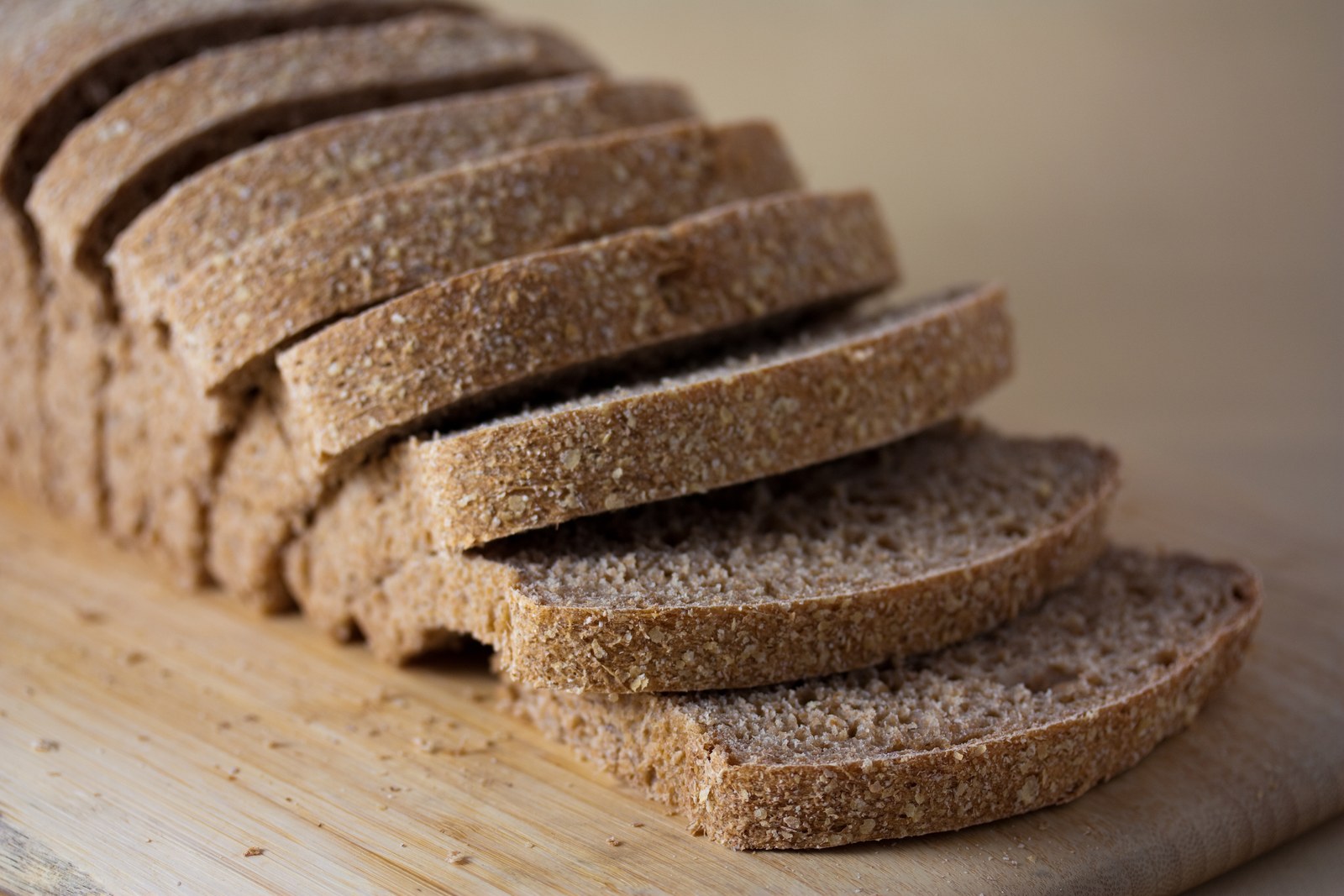
The team provided all meals. The diet was the same in both phases and only the bread changed: 160 grams a day, made either from whole wheat or from refined flour and baked specially at the university. The 21 men and 18 women were overweight or obese (mean body mass index 34.7) and had raised fasting glucose. At the end of each phase they drank a solution with 75 grams of glucose, followed by three hours of blood sampling; stool samples were collected as well.
**What changed and what did not**
The advantage in the sugar rise was not explained by body weight, inflammation markers, carbonyl stress or short-chain fatty acids in stool. 📊 Fasting glucose and insulin improved over time regardless of the bread. Overall diversity of the gut community also stayed the same. Individual groups shifted: with whole wheat there was more Agathobacter, Agathobaculum and the Lachnospiraceae NK4A136 group, and less Streptococcus, Lachnoclostridium and Mediterraneibacter.
Two groups, Lachnoclostridium and Lachnospiraceae NK4A136, already predicted at the start how blood sugar would respond after the test depending on the bread. First author Jillian Pierson noted that Lachnoclostridium is often associated with a more pro-inflammatory state, such as that from a less healthy diet. 🔬
**The limits**
The trial is small and short. According to the paper, these are secondary analyses; the predefined primary outcome on sorting people into stronger and weaker responders is to be reported separately. The bacterial shifts rest on significance values not adjusted for multiple testing, and possible metabolic pathways were only partly measured. Whether the effects last is open. Funding came from sources including the US Department of Agriculture, and the authors declared no commercial conflicts of interest. ⚠️
**What it means for patients**
A test that reads from gut bacteria which food helps whom is not available for patients yet. Professor Jiangjiang Zhu says such analyses are currently too time-intensive and expensive, though the field hopes for them. Co-senior author Richard Bruno speaks of "super responders" who benefit a lot, while others see only marginal effects. 🥖