✊ Strike in ancient Egypt: the pharaoh's tomb builders downed tools over 3,000 years ago when the grain stopped
In brief
- ✊ Under Ramesses III, the workers on the royal tombs near Thebes left their posts when their grain rations did not arrive.
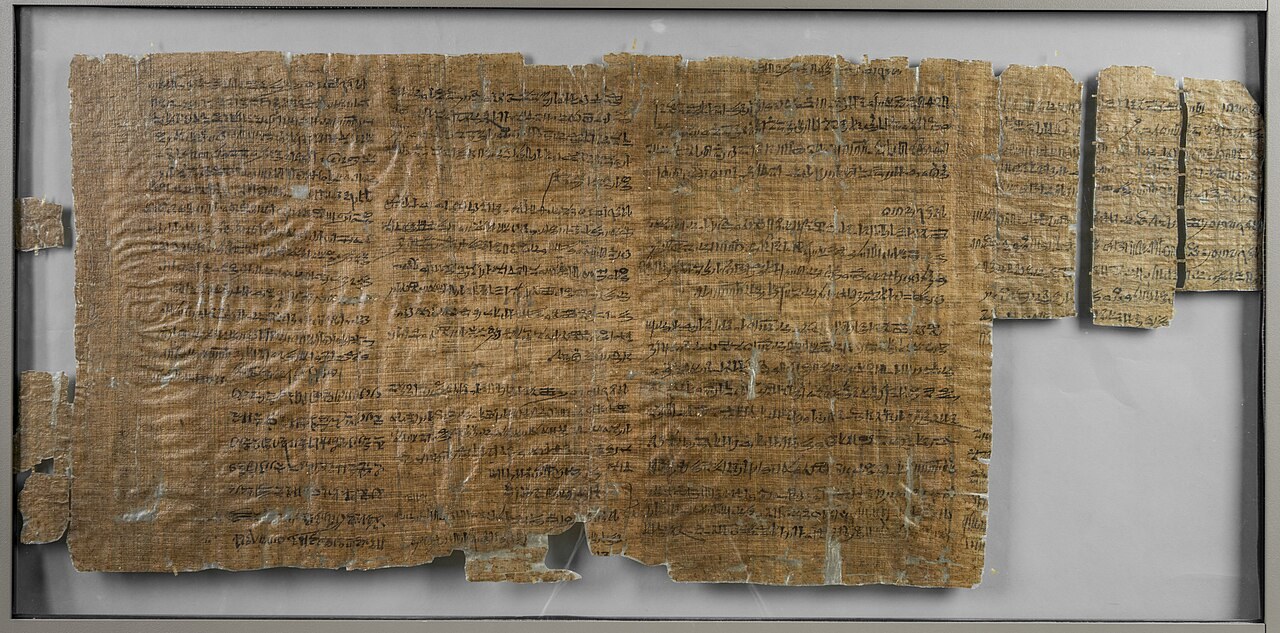
- 📜 The Turin Strike Papyrus records them shouting "We are hungry!" and wanting their demand to reach the pharaoh.
- 🏛️ An essay in The Conversation shows that workers were already organising collectively.
📜 In an essay for The Conversation, author Inmaculada Delage González describes one of the oldest labour protests with written testimony. In year 29 of Ramesses III, the craftsmen of the village of Deir el-Medina, who built and decorated the tombs in the Valley of the Kings and the Valley of the Queens, left their posts because the grain rations that paid them did not arrive. The Turin Strike Papyrus, an administrative report by the tomb scribe Amunnakht, records that on day 10 of the second month they crossed the limits of the necropolis shouting that they were hungry. The administration paid at first, but the problem returned; the men demanded again that their grievances reach the pharaoh and the vizier.
🏘️ **The village of the tomb builders.** Deir el-Medina lay on the west bank of ancient Thebes, today's Luxor. According to the essay, the community consisted of highly skilled craftsmen in two crews, matching the left and the right side of the tomb, each led by a foreman. Scribes recorded tasks, working days and absences and kept contact with the administration, while other workers supplied water and firewood and guarded the necropolis. The Museo Egizio in Turin adds that the village was built around 1500 BC in a small valley at the edge of the desert and that its workers answered directly to the vizier, the highest official of the state.
🌾 **Pay in kind.** Instead of money, residents received regular grain, from which they made bread and beer, plus other necessities. That made them directly dependent on the state administration that had to deliver the rations. When deliveries were late or too small, the food of the workers and their families was at risk. The essay points to growing political and economic instability under Ramesses III; the museum speaks of political and economic difficulties that led to the suspension of rations.
📜 **What the papyrus reports.** The papyrus (catalogue number 1880) is written in hieratic, a cursive form of hieroglyphs. It records: "Year 29, second month of the Inundation, day 10. Today the work team passed the control post shouting: we are hungry!" According to the museum, the men sat behind the funerary temple of Thutmose III for 18 days that month. They also went to the temple of Ramesses II, demanding the grain still owed for that month; the strikes began in November, and the last one reported in the papyrus dates to January of the following year. The essay names the mortuary temples on the west bank, which stored and redistributed food, as their destinations. The authorities paid at first, but a few days later the men took refuge in the temple of Seti I and refused to return, saying they wanted to complain about their conditions to the pharaoh himself. They wrote that hunger and thirst had brought them there, that they lacked ointments, fish and greens, and that someone should write to the pharaoh and the vizier so they would receive their provisions.
🕰️ **Where the accounts differ.** The essay gives Ramesses III's reign as 1184 to 1153 BC, the museum as 1187 to 1157 BC. The essay places the strike in the season of Peret, between mid-March and mid-July, while the museum translates "second month of the Inundation". Both give day 10 of the second month in year 29. The author concludes that the great buildings of pharaonic Egypt were not only the work of kings but of people with needs and the capacity to act, and that the surviving documents let their voices reach us.